
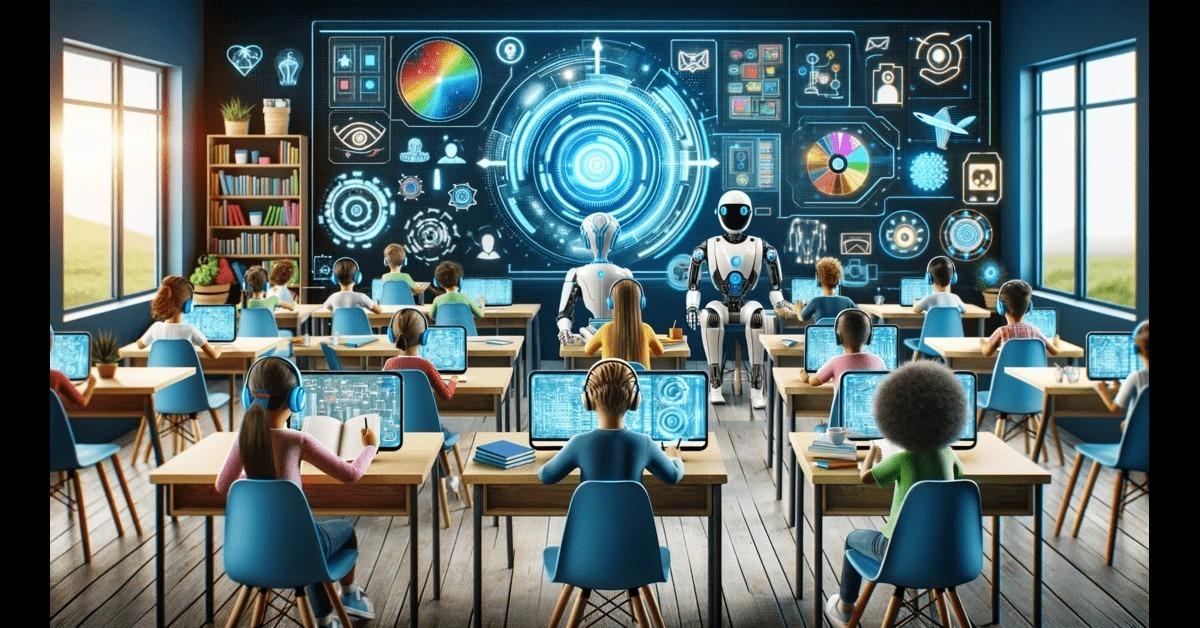
EdTech Disrupted: Predicting the Next Big thing in Educational Technology
The world of educational technology (EdTech) is evolving faster than ever before. As classrooms go digital and lifelong learning becomes the norm, technology’s role in education is shifting from supplementary to essential.But with so much noise around the “next big thing” in EdTech, how do we distinguish hype from genuine disruption? In this article, we’ll explore current trends, predictions for breakthroughs disrupting education, real-world success stories, and practical insights on how to prepare for the future of EdTech.
The State of EdTech in 2024
The EdTech industry has undergone a massive transformation since the global shift to online learning in 2020. Schools and universities have embraced a myriad of educational software, interactive tools, and blended learning environments. Today, EdTech isn’t just about putting textbooks online—it’s about personalized, engaging experiences powered by technology like artificial intelligence (AI), virtual reality (VR), and data analytics.
- market Value: The global EdTech market is projected to reach $404 billion by 2025 (HolonIQ).
- Adoption Rates: Over 90% of higher education institutions now use some form of digital learning tools.
- Key Players: Companies like Kahoot!, Coursera, Byju’s, and Duolingo have become household names, while start-ups continue to innovate.
Current trends Shaping the EdTech Landscape
So, what’s hot in EdTech right now? Here are some of the most influential trends in educational technology this year:
1. Artificial Intelligence (AI) and Machine learning
AI has moved beyond auto-grading assignments to powering smart tutoring systems, adaptive learning platforms, and intelligent content recommendations. AI-powered EdTech offers:
- Personalized learning paths for students
- Automated feedback and assessment
- Predictive analytics for early intervention
2. Immersive Technologies: Virtual Reality (VR) & Augmented Reality (AR)
Immersive learning tools are moving out of the lab and into the classroom, letting students dissect virtual frogs or experiance ancient events firsthand. VR and AR in education provide engaging, hands-on experiences that foster deeper understanding.
3.Gamification and Interactive Learning
Apps and platforms with gamified learning features like leaderboards, badges, and quests substantially boost engagement. These mechanics tap into students’ motivation, making learning exciting and rewarding.
4. Microlearning and Nano-Credentials
Short, targeted learning modules—often delivered via mobile—are changing the way we develop skills. Microlearning fits busy lifestyles,while nano-credentials (micro certifications) verify new competencies with speed and flexibility.
5. Data-Driven Instruction and Learning Analytics
With the explosion of data,teachers can now tailor instruction based on deep insights into student performance.Learning analytics help educators identify knowledge gaps, track progress, and make informed interventions.
EdTech Disrupted: Predicting the Next Big Thing in Educational Technology
What innovation will truly disrupt EdTech in the coming years? While nobody has a crystal ball, several emerging technologies are poised to transform how we teach and learn:
1. AI-Powered Personalized Learning Ecosystems
Imagine a digital platform that understands each student’s strengths, weaknesses, interests, and learning pace—dynamically curating lessons, assessments, and projects. Hyper-personalized learning ecosystems use AI, big data, and neuroscience to craft tailored paths challenging the “one-size-fits-all” model.
2. The Rise of Edutainment and Mixed Reality Classrooms
Combining entertainment with education—through edutainment and mixed reality classrooms—makes complex subjects accessible and memorable. Students might “travel” through the solar system, explore ancient cities, or interact with lifelike simulations, all from thier devices or VR headsets.
3. Adaptive Assessment and Blockchain Credentials
As standardized testing faces scrutiny, adaptive assessment technologies offer real-time measurement of progress, catering to each learner’s growth pace. Meanwhile,blockchain-based certificates promise secure,universally verifiable educational records—streamlining hiring,admissions,and accreditation.
4. AI Teaching Assistants and Automated Content Creation
AI isn’t just automating administrative tasks—AI teaching assistants are answering students’ questions,moderating discussions,and creating quiz content on the fly. This allows teachers to focus on high-value, human-centric aspects of education.
5. The Metaverse: Expanding the Frontiers of Education
The metaverse—shared, persistent virtual spaces—could offer collaborative, immersive educational experiences with global classmates. Metaverse-powered EdTech could reimagine everything from language immersion to vocational training.
Benefits of Embracing the Next Generation of EdTech
- Personalization: Every learner’s journey becomes uniquely theirs, increasing motivation and outcomes.
- Accessibility: High-quality education available to anyone, anywhere, at any time.
- Efficiency: Automation reduces administrative burden on teachers and streamlines learning paths.
- engagement: Immersive and gamified environments keep students interested and inspired.
- Real-Time Feedback: Educators and learners receive instant data for faster enhancement.
Practical Tips: preparing for Disruption in Educational Technology
Educators, institutions, and learners can take these actionable steps to stay ahead in the rapidly changing EdTech world:
- Stay curious: Regularly research new EdTech platforms, attend webinars, and engage with thought leaders.
- Pilot Early: Start small by experimenting with innovative tools in the classroom before full adoption.
- Invest in Professional Advancement: Train teachers and faculty in digital literacy and instructional design.
- Focus on Digital Wellbeing: Balance screen time, promote cyber safety, and support social-emotional learning.
- Solicit Feedback: Invite students’ and parents’ input on technology integration and continually iterate.
Case Studies: Real-World Examples of EdTech Disruption
Case Study 1. ScribeSense: AI-Powered Assessment
Case Study 2. ClassVR: Virtual reality for Experiential Learning
First-Hand Experience: Voices from the EdTech Frontier
“After implementing adaptive learning technology, I watched my struggling students blossom. The data-driven insights helped me pinpoint exactly what they needed, transforming my teaching and their outcomes.”
— Maria, high school math teacher
Students, too, report more agency and excitement in digital and gamified environments. As one university learner shared, “With VR, topics that were once abstract or intimidating became tangible. It felt like I was truly part of the lesson.”
Conclusion: Embracing EdTech’s dynamic Future
the next wave of EdTech disruption is closer than we think. Whether through AI-powered personalization, immersive experiences in the metaverse, or breakthrough assessment models, the future of educational technology is all about empowering learners, democratizing access, and lifting educational outcomes across the globe. By embracing innovation, investing in digital skills, and staying agile, educators and schools can not only survive but thrive in this rapidly changing landscape.
Curious about EdTech’s possibilities? Now is the perfect time to explore, experiment, and help shape what’s next in the world of education.Subscribe to our newsletter for the latest insights, or share your own EdTech experiences in the comments below!