
EdTech Evolution: Predicting the next Big Thing Transforming Education in 2024
Meta Description: Discover the transformative EdTech trends poised to redefine education in 2024.Explore AI-powered learning, metaverse classrooms, and practical tips for educators and institutions to stay ahead.
Introduction: The Dynamic Journey of EdTech
Education technology, fondly known as EdTech, has undergone a meteoric change over the past decade. From the early days of digital whiteboards to the current proliferation of AI tutors and hybrid learning environments, edtech continues to revolutionize how we teach and learn. As we venture deeper into 2024, the evolution of EdTech promises even more groundbreaking changes.In this article,we’ll explore the next big thing in educational technology,touching upon key trends like AI-powered learning,immersive metaverse classrooms,and personalization — all while equipping educators,students,and institutions with insights to thrive in this changing landscape.
EdTech Trends 2024: What’s Shaping the Future?
1. artificial Intelligence in Education (AI EdTech)
AI’s influence in EdTech has grown exponentially, and 2024 is the year it becomes mainstream. AI-powered platforms do more than just automate grading — they now adapt curriculum in real time, deliver highly personalized learning experiences, and even predict student outcomes.
- Personalized Learning Paths: Leveraging AI, platforms analyze student data to recommend customized exercises and resources.
- Intelligent tutoring Systems: Virtual tutors, powered by machine learning, offer instant feedback and 24/7 support.
- Data-Driven Insights: AI dashboards help educators identify at-risk students and intervene early.
Duolingo Max,powered by OpenAI,saw a 35% increase in learner engagement,thanks to AI-driven,gamified exercises and context-based feedback.
2. The Metaverse and Virtual Classrooms
The concept of the metaverse in education — immersive digital environments where students interact and learn — is no longer just sci-fi. With advances in augmented reality (AR) and virtual reality (VR), metaverse classrooms are enabling:
- Virtual Field Trips: Students can explore Mars, visit historic battlefields, or walk through the Amazon rainforest — all without leaving their desks.
- Collaborative Learning Spaces: VR classrooms allow project-based teamwork, language immersion, and peer-to-peer interaction across continents.
- Accessibility & Inclusion: Adaptive avatars and interfaces make learning more accessible for students with disabilities.
3. Learning Analytics and Predictive Technology
2024’s EdTech solutions are more data-centric than ever. Learning analytics platforms now track student behavior in detail, using predictive models to:
- Forecast academic performance
- Tailor interventions to individual needs
- Empower teachers with actionable insights
4. Microlearning and Bite-Sized Content
In our fast-paced world, bite-sized learning modules are gaining traction. Microlearning delivers focused content in a few minutes, improving retention and catering to the TikTok generation’s attention spans.
- Short, engaging videos and quizzes
- Perfect for skill-building and exam revision
- Integrated into employee training and continuous education
5. Adaptive Assessment Tools
Gone are the days of one-size-fits-all tests. Modern EdTech enables dynamic,formative assessments,adjusting questions based on student performance,and providing immediate feedback. This evolution supports mastery-based progression.
The Major Benefits of Next-Gen EdTech
- Increased Engagement: Gamification and immersive technologies make learning fun and interactive.
- Personalization: AI tailors content and pace to each learner, improving outcomes.
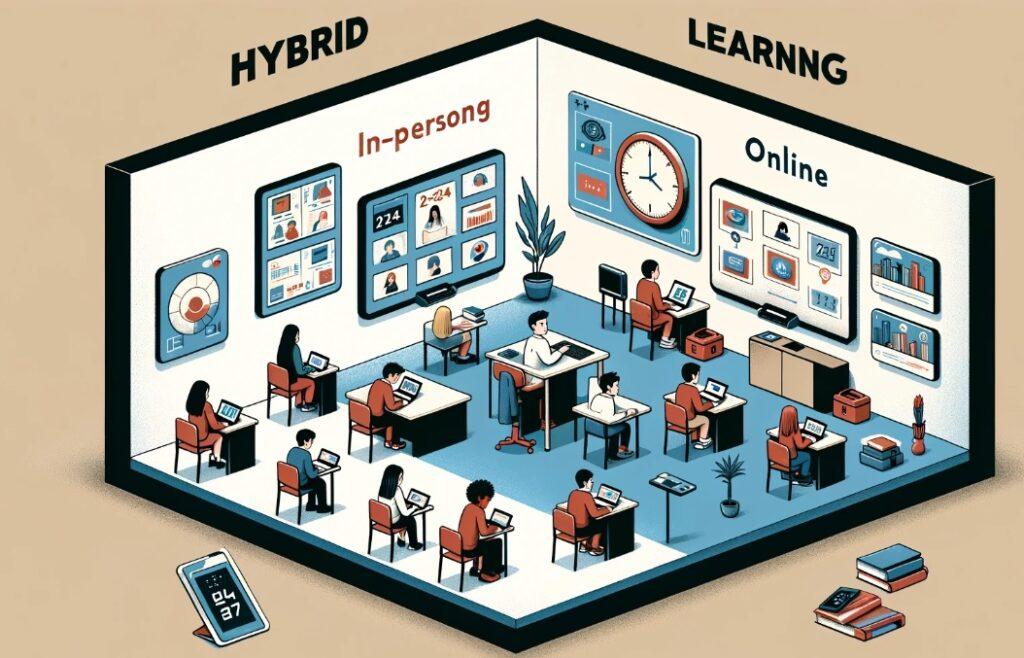
- Greater Accessibility: Online and hybrid options reach learners traditionally left behind.
- Data-Driven Improvement: Analytics inform better teaching and curriculum adjustments.
- Global Collaboration: Students can collaborate with peers worldwide, breaking geographical barriers.
First-Hand Experience: The Classroom of 2024
- A high school teacher in London reports, “With AI tutors, I can focus more on mentoring and less on repetitive tasks. My students are more motivated and autonomous in their learning.”
- A university in Singapore uses metaverse labs to teach robotics and engineering, allowing students to build prototypes in a fully virtual space, dramatically lowering costs and improving safety.
- An inclusive education specialist in canada notes that VR headsets and adaptive learning apps have helped students with special needs participate more fully in lessons.
Practical Tips: Preparing for edtech Transformation in 2024
- Invest in Professional Development: Ensure teachers receive training in new technologies and pedagogical methods.
- Start Small, Scale Smart: Pilot AI-driven tools or VR platforms in select classes before full-scale rollout.
- Enhance Digital Literacy: Prioritize teaching students how to navigate, assess, and use new technologies responsibly.
- Monitor Data Privacy: Stay compliant with data protection laws and ensure student data is secure.
- Promote Equity: Provide devices and internet access to underserved students to bridge the digital divide.
Real-World Case Studies: Leading the EdTech Evolution
Case Study 1: AI at georgia State University
After implementing AI-powered chatbot “Pounce”, Georgia State University experienced a 21% reduction in summer dropout rates. Pounce answered student queries 24/7, ensuring timely support and personalized guidance.
Case Study 2: Metaverse Lessons at the University of Cambridge
Cambridge piloted virtual reality anatomy lessons, resulting in a 48% improvement in student comprehension compared to customary methods.
Case Study 3: Microlearning in Corporate Training
Global consultancy firm accenture rolled out microlearning modules via a proprietary app, reporting a 60% boost in knowlege retention and employee satisfaction.
Staying Ahead: Top EdTech Solutions and Platforms to Watch in 2024
- ChatGPT edu: AI-powered conversational tutor tailored for schools and universities
- Matterport and ClassVR: Innovative virtual classroom and laboratory solutions
- Edpuzzle: Interactive video learning and classroom analytics
- Kahoot!: Game-based learning with real-time assessment tools
- Moodle & Canvas: Next-gen Learning Management Systems integrated with AI
Conclusion: The Future of Education is Here
As EdTech continues to evolve in 2024, it’s clear that the next big thing isn’t about a single tool or platform, but a convergence of technologies — AI, the metaverse, analytics, and personalized learning — working together to transform education on a global scale. Institutions embracing these trends will set their students up for success in tomorrow’s workforce. The key is staying curious, adaptable, and always learning. The EdTech evolution isn’t slowing down — so let’s harness its full potential to empower educators and inspire lifelong learners everywhere.