
EdTech Innovation: Predicting the Next big Thing in Education Technology
Education technology—commonly known as EdTech—is transforming how we teach, learn, and interact in academic environments. With the rapid pace of digital advances, predicting the next big thing in education technology can feel like gazing into a crystal ball. Though, by analyzing current trends and emerging technologies, we can anticipate the direction of future EdTech innovation and empower educators, students, and institutions to prepare for what’s to come.
Table of Contents
- The Future of EdTech: The Need for Continuous Innovation
- Emerging Trends Shaping the Next EdTech Revolution
- Key Benefits and Practical Tips of Adopting EdTech Innovation
- Case Studies: EdTech Leaders Paving the Way
- Firsthand Experience: Voices from the Classroom
- Conclusion: Preparing for the Next Big Leap in Education Technology
The Future of EdTech: The Need for Continuous Innovation
In the digital age, educational methods are evolving faster then ever before. Innovative digital tools and software are reshaping conventional classrooms, making learning more interactive, personalized, and accessible. As we look ahead, continuous EdTech innovation is vital to addressing emerging challenges in education:
- Bridging gaps in access and chance
- Enhancing student engagement and motivation
- Making personalized learning a reality
- Empowering teachers with data-driven insights
- Fostering crucial 21st-century skills
But what will be the next big thing in EdTech? Let’s explore the most promising trends shaping education technology’s future.
Emerging Trends Shaping the Next EdTech Revolution
Several EdTech trends are capturing the industry’s attention. While some are taking root today, others are set to disrupt education on a much larger scale in the coming years.
1. Artificial Intelligence (AI) & Machine Learning
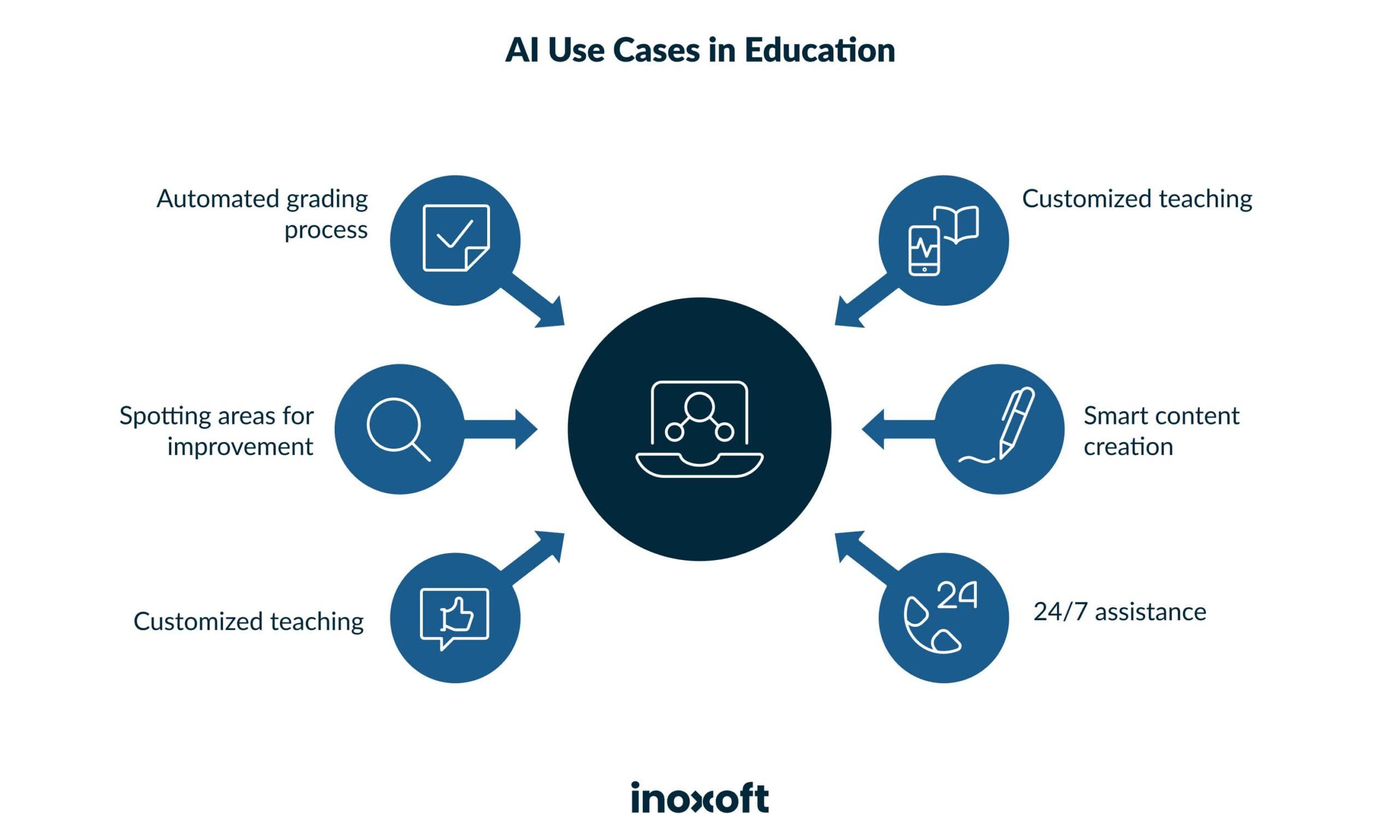
- Adaptive learning platforms powered by AI tailor lessons to individual student needs for truly personalized education.
- Bright tutoring systems provide instant feedback and 24/7 support, supplementing teacher efforts.
- AI-driven analytics identify learning gaps, at-risk students, and recommend targeted interventions.
2. Extended Reality (XR): AR, VR, Metaverse Classrooms
- Virtual reality (VR) and augmented reality (AR) are making immersive, experiential learning possible across disciplines—from history to science labs.
- The Metaverse in education offers virtual campuses, social learning spaces, and real-time collaboration for remote learners.
3. Blockchain for Education
- Secure credentials: Blockchain secures academic records, certificates, and transcripts, making them tamper-proof and easily shareable.
- Micro-credentialing: Enables recognition of lifelong learning via digital badges and stackable certificates.
4. Adaptive Assessment and Personalized Learning Pathways
- Algorithm-driven platforms analyse performance in real-time to modify questions, curriculum, or pace for each student.
- Students receive tailored learning experiences, increasing engagement and mastery.
5.Cloud-Based Learning Environments & Learning Management Systems (LMS)
- Seamless, scalable access to course materials, collaborative tools, and progress tracking from any device.
- Integration with other EdTech solutions via APIs, making learning ecosystems more flexible and interconnected.
6. Learning Analytics & Data-Driven Decision Making
- Learning analytics help educators understand how, when, and what students learn best, supporting data-informed instruction.
- Platforms provide actionable insights that improve outcomes and curriculum design.
7. Gamification & Game-Based Learning
- Game mechanics—levels, badges, leaderboards—improve motivation and engagement in remote and traditional classrooms.
- Instant feedback loops promote persistent learning and mastery of skills.
What’s Likely to Be the Next Big Thing?
AI-driven personalization and immersive metaverse classrooms are poised to become mainstream in the next few years.The integration of immersive experiences with smart analytics will offer students a truly personalized, interactive, and globally connected education—regardless of geographic or socioeconomic barriers.
Key Benefits and Practical Tips of Adopting EdTech Innovation
Benefits of Next-Gen EdTech
- Enhanced learning outcomes: Personalization boosts comprehension, retention, and critical thinking skills.
- Greater accessibility: Cloud-based and mobile-first technologies reach students wherever they are.
- teacher empowerment: Automation reduces administrative burdens, allowing educators to focus on mentorship and creativity.
- Equitability: Adaptive learning platforms customize resources to serve diverse learning needs and styles.
- Skill growth: prepares learners for the demands of the digital workforce, including collaboration, communication, and technical proficiency.
Practical Tips for Schools and Educators
- Start small, scale up: Pilot new tools in one or two classrooms before a full rollout.
- Invest in professional development: Offer ongoing training to help teachers harness new technologies effectively.
- Ensure accessibility: choose EdTech solutions that support diverse learners and comply with accessibility standards (WCAG/ADA).
- Measure impact: Use data analytics to continuously refine practices and demonstrate ROI.
- Foster digital citizenship: Teach ethical use of technology, online safety, and digital literacy.
Case Studies: EdTech Leaders Paving the Way
Let’s look at how pioneering organizations are shaping the future of education technology:
Case Study 1: DreamBox Learning – Adaptive Math Instruction
- DreamBox employs AI to tailor math lessons to each student’s skill level and pace.
- Results show increased student achievement and engagement in over 140,000 classrooms worldwide.
Case Study 2: Labster – Virtual Science Laboratories
- labster provides immersive VR science labs, allowing students to conduct experiments online.
- Colleges utilizing Labster have reported a 76% enhancement in student understanding of lab concepts.
Case Study 3: MIT and the blockchain Learning Initiative
- The MIT Media Lab issued digital diplomas on the blockchain, giving graduates secure, verifiable credentials available for lifelong learning portfolios.
- This initiative addresses transcript fraud, streamlines employer verification, and empowers learners globally.
Firsthand Experience: Voices from the Classroom
“Integrating adaptive platforms into my 5th-grade classroom transformed how my students approach problem-solving and collaboration. Engagement levels have soared, and I can now focus on mentoring rather than administrative tracking.”
– Sarah P., Elementary School Teacher
“VR field trips have opened the world to my rural students.last week, they ‘visited’ ancient Rome and shared their journey in a digital portfolio. The possibilities for experiential learning are endless!”
– Daniel R., High School Social Studies Teacher
Real voices underline the positive impact of EdTech, making innovation not just a trend, but a transformative force in modern education.
Conclusion: Preparing for the Next Big Leap in Education Technology
As classrooms become increasingly interconnected and digital-first, embracing EdTech innovation is essential for future-ready education. Whether through AI-driven adaptive learning, immersive XR classrooms, or secure blockchain credentials, the next big thing in EdTech promises to democratize learning, empower educators, and prepare students for tommorow’s challenges.
Ready to stay ahead of the curve? Follow the latest EdTech trends,invest in professional development,and join the global movement to make education more engaging,equitable,and effective.The future of learning starts now!
If you enjoyed this article, explore more insights and practical guides on EdTech Innovation to keep your classroom—and career—ready for tomorrow’s breakthroughs.