
EdTech Innovations: Predicting the Next Big Thing in Education Technology
The education sector has witnessed a remarkable transformation over the last decade, driven largely by advances in education technology (edtech). modern classrooms look nothing like those of the past—with interactive platforms, digital resources, and adaptive learning software reshaping how students and educators experience learning. With this dynamic evolution in mind, it’s natural to wonder: What is the next big thing in EdTech? In this article, we’ll delve into current innovations, examine game-changing technologies on the horizon, and provide practical advice for embracing these new trends.
Current EdTech Innovations Leading the Way
Before predicting future shifts, it’s vital to recognize the education technology trends currently shaping schools, universities, and workplace training environments. Leading edtech innovations include:
- Learning management Systems (LMS) such as Moodle, Canvas, and Blackboard, making remote and hybrid learning accessible to millions.
- AI-driven Personalized Learning Paths that adapt to individual student strengths and weaknesses, such as DreamBox and Smart Sparrow.
- Gamification and Interactive Content to boost student engagement and retention (Kahoot!, Quizlet, Duolingo).
- Video Conferencing & Collaboration Tools like zoom, Microsoft Teams, and Google Classroom for synchronous and asynchronous instruction.
- Edutainment platforms merging educational content with entertainment, making learning fun and memorable.
Predicting the Next Big Thing in Education Technology
As digital adoption accelerates,several cutting-edge EdTech innovations are poised to become the next major disruptors. Here’s what we anticipate will shape the future of learning:
1. AI-Powered Tutoring & Adaptive Assessment
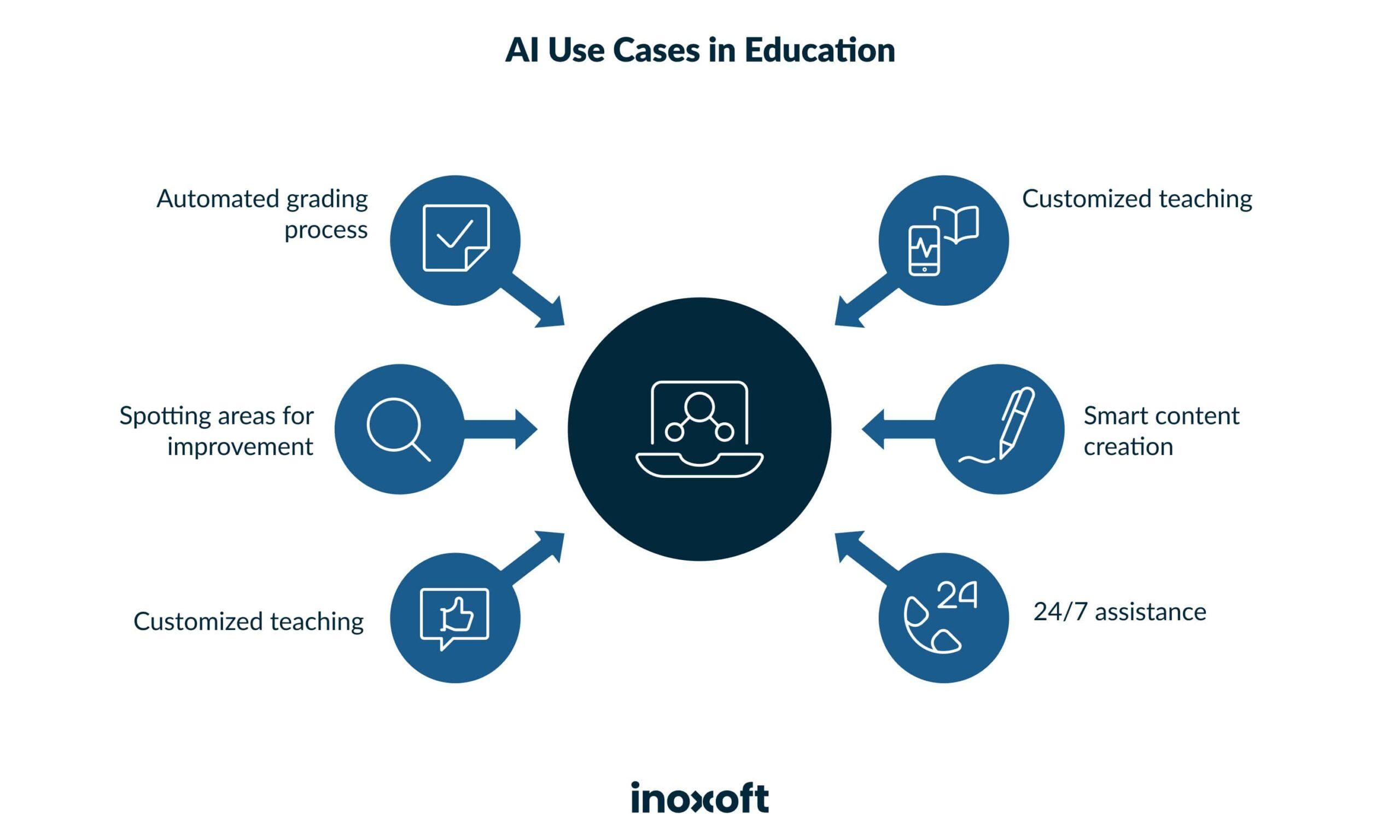
Artificial Intelligence in education is evolving beyond basic personalization. New AI-driven tools can simulate real-life tutors, providing tailored instruction, instant feedback, and emotional support.These “smart tutors” help close achievement gaps and ensure mastery-based progression for every learner.
2.Immersive Learning with Augmented and Virtual Reality (AR/VR)
Immersive learning environments delivered through VR headsets or AR apps are breaking down classroom walls. Students can explore historical landmarks, conduct virtual science experiments, or simulate business scenarios, making abstract concepts tangible and compelling.
3. Microlearning and Bite-Sized Education
Increased screen fatigue and cognitive overload have ushered in a new era of microlearning. This approach delivers content in short, focused segments, ideal for just-in-time learning and workforce training, improving knowledge retention and engagement.
4. Blockchain for secure Credentialing
As learning becomes more decentralized, blockchain technology is being used to verify and store academic credentials, making transcripts, certificates, and skill badges tamper-proof and portable.This fosters trust with employers and simplifies lifelong learning verification.
5. Voice Technology and Natural Language Processing
Innovations in voice assistants and natural language processing (NLP) are making learning more accessible. Speech-to-text, language translation, and conversational AI facilitate interactive, hands-free lessons—benefiting students with disabilities or language barriers.
Benefits of Emerging EdTech Innovations
- Enhanced Personalization: Next-gen EdTech adapts in real-time to individual student needs, learning speeds, and interests.
- Greater Accessibility: AR/VR, voice tech, and AI support diverse learners and students with disabilities, leveling the educational playing field.
- Data-driven Insights: Advanced analytics empower educators to identify knowledge gaps, customize interventions, and drive continuous advancement.
- Credential Portability: Blockchain-backed certifications streamline talent recruitment and career growth.
- Higher Engagement: Gamification, immersive content, and social learning platforms make education fun and interactive, improving long-term retention.
Case Studies: Real-World EdTech Transformations
Stanford University’s VR Classrooms
Stanford piloted virtual reality classes during the pandemic, allowing students to conduct laboratory experiments and explore global issues in 3D. Results showed a marked increase in both engagement and conceptual understanding.
Estonia’s National Digital Strategy
Estonia leads in digital education with a national e-school system connecting students,parents,and teachers. Data-driven feedback enables highly personalized experiences and early intervention for at-risk learners.
Practical Tips for Embracing Future EdTech
-
Invest in Professional Development:
Prepare educators to integrate new tools by prioritizing training and ongoing tech support.
-
Start Small, Scale Gradually:
Pilot emerging EdTech solutions in a single class or department before a full-scale rollout.
-
Foster Digital Literacy:
Teach students essential digital skills—from online research to cybersecurity—to thrive in modern learning environments.
-
Focus on Accessibility:
Choose platforms that are inclusive and provide features for all abilities and learning contexts.
-
Partner with EdTech Innovators:
Collaborate with startups and established platforms to co-develop solutions tailored to your institution’s unique needs.
How EdTech Innovations Will Shape the Future of Education
The next wave of EdTech will make learning more engaging, inclusive, and relevant to the needs of a rapidly evolving workforce. As technology continues to break down customary boundaries, we expect to see:
- global Classrooms: Learners from different countries collaborating in real time.
- Lifelong learning Paths: Continuous, on-demand upskilling fueled by micro-credentials and personalized AI guidance.
- Greater Equity: Affordable, scalable solutions closing gaps between underserved and advantaged communities.
- Curriculum Transformation: Data-informed instructional design embedding critical thinking, collaboration, and creativity as core outcomes.
Conclusion: Staying Ahead in the EdTech Revolution
The pace of EdTech innovation shows no sign of slowing down. By staying informed about the next big thing in education technology, educators, administrators, and learners can better prepare for a future were traditional classrooms and digital solutions intersect in powerful new ways. Whether it’s AI tutors, immersive VR labs, microlearning modules, or blockchain credentials, the future of education is bright, inclusive, and full of prospect—if we’re ready to embrace it.
Want to stay ahead? Subscribe to our newsletter to receive the latest EdTech news, tips, and in-depth guides right in your inbox.