
Executive Summary and Main Points
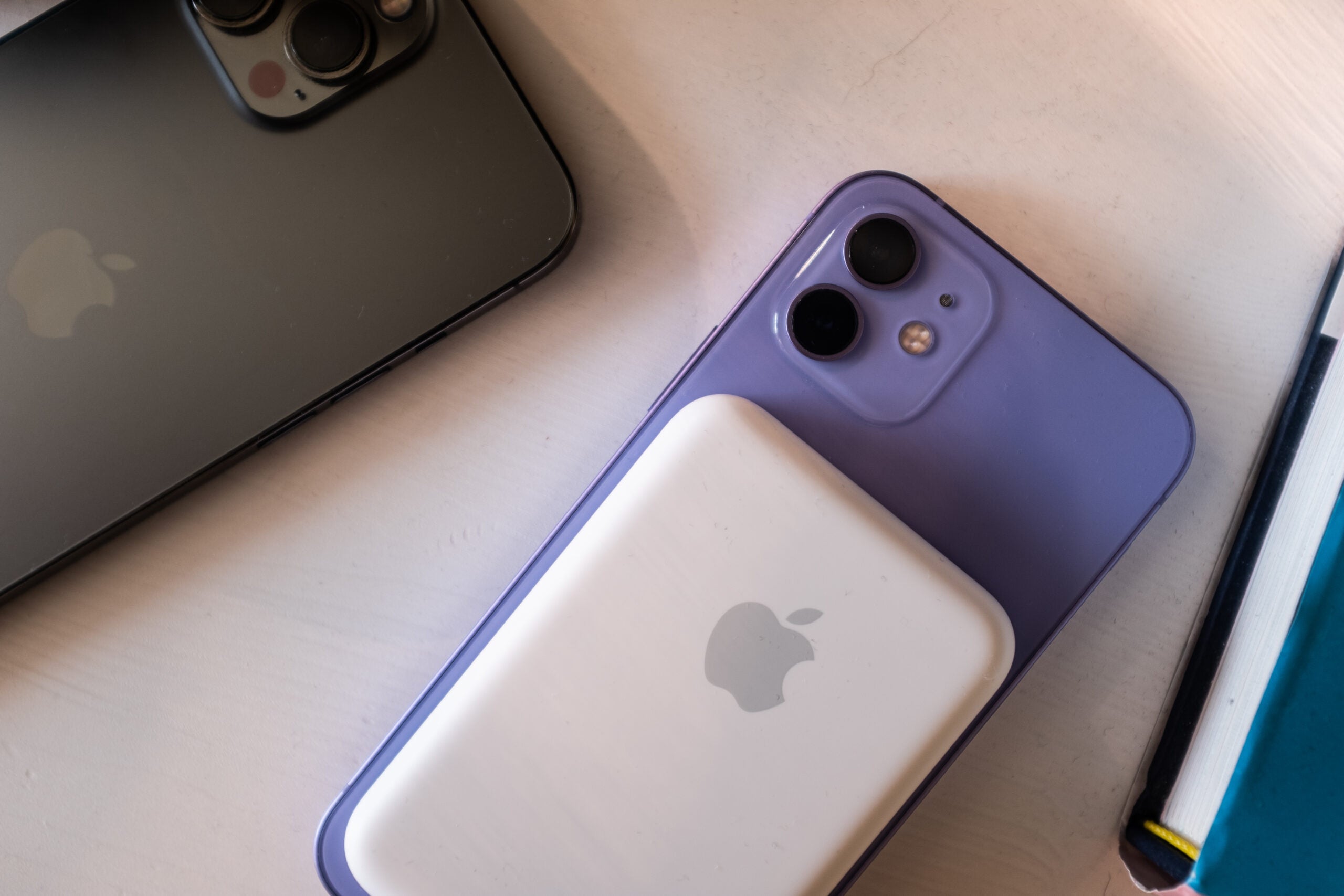
In the face of evolving market dynamics, Apple experiences a significant decline in iPhone shipments, primarily attributed to the increasing popularity of foldable phones and Huawei’s resurgence in the Chinese market. Top Apple analyst Ming-Chi Kuo reports a 15% drop compared to the previous year, marking an impactful shift in consumer preferences toward innovative technology like foldable designs and generative AI integration. Concurrently, Samsung’s Galaxy S24 series observes a rise in demand due to AI-driven features, indicating a paradigm shift in the high-end smartphone segment. Apple’s lack of design innovation until at least 2025 potentially hampers its shipment momentum and ecosystem expansion.
Potential Impact in the Education Sector
The shift towards AI-driven smartphones like the Galaxy S24 poses significant implications for Further Education and Higher Education, impacting the delivery of mobile learning and fostering technology-rich environments. Institutions could potentially leverage the advanced capabilities of AI-integrated devices to enhance personalized learning experiences and pedagogical strategies. Furthermore, the trend towards highly adaptable technologies could drive strategic partnerships between educational entities and tech companies, leading to the development of specialized micro-credentialing programs that cater to an increasingly tech-savvy student demographic.
Potential Applicability in the Education Sector
Developments in AI and digital transformation pave the way for innovative applications within global education systems. Higher education institutions could harness the power of AI-infused smartphones for immersive learning experiences, leveraging augmented reality and virtual reality. Moreover, the advent of foldable devices may inspire new forms of digital content creation and consumption, promoting interactive and engaging learning materials. These digital tools enable tailored learning journeys, while also facilitating efficient administrative processes through advanced data analytics and management systems.
Criticism and Potential Shortfalls
Despite the enthusiasm for AI-integrated and foldable smartphones, there is a critical need to analyze the implications for global digital equity. Varied access to cutting-edge technology in different parts of the world can exacerbate the digital divide, potentially marginalizing certain student populations. Additionally, concerns over data privacy, ethical use of AI in education, and the cultural appropriateness of technology deployment are paramount. International case studies, such as the diverse adoption rates and impacts of smartphones in educational contexts across Asia, Europe, and North America, provide diverse perspectives on these issues.
Actionable Recommendations
International education leaders are encouraged to explore strategic technology integration by initiating pilot projects with foldable and AI-driven smartphones to evaluate their educational value. Collaboration with tech industry leaders in developing micro-credentialing programming can broaden skill sets relevant to the digital economy. Institutions should also prioritize digital literacy and ethics as core components of the curriculum to address responsible AI usage, and consider establishing consortia to leverage collective bargaining power for equitable access to the latest technologies. Finally, adopting a globally-informed perspective in policy-making can ensure that these tools are used to enhance learning experiences while respecting cultural differences.
Source article: https://www.cnbc.com/2024/01/30/top-apple-analyst-iphone-shipments-fall-2024.html