
“`html
Executive Summary and Main Points
In the international education sector, the latest trend is the focus on mastering the art and science of giving effective feedback, an essential skill for leadership and managing educational institutions. Cognitive scientist Therese Huston and elementary school principal Jessica Gomez delve into this topic, emphasizing the clarity of the message and preparing for difficult conversations. They align with the digital transformation in global higher education, where clear communication and feedback are cornerstones for academic and administrative progress.
Potential Impact in the Education Sector
The insights from Therese Huston and Jessica Gomez could significantly impact Further Education and Higher Education by enhancing educator effectiveness through targeted feedback. The adoption of these effective feedback methodologies could lead to improved pedagogical approaches and drive the development of Micro-credentials by ensuring these offerings align with learners’ needs. Strategic partnerships could incorporate these feedback mechanisms, leveraging digital communication platforms to support faculty development, student success, and cross-institutional collaborations.
Potential Applicability in the Education Sector
Implementing AI-driven tools can personalize learning experiences and scale feedback processes in global education systems. For instance, AI can analyze student work to provide instant, formative feedback or suggest improvements for educators based on observed teaching patterns. Digital tools such as e-portfolios and peer-assessment platforms can offer new avenues for giving and receiving feedback in an international context, ensuring continuous professional development and quality teaching standards.
Criticism and Potential Shortfalls
Though effective feedback is crucial, there’s a risk of over-reliance on digital tools and automated systems that may overlook the nuances of interpersonal communication and cultural differences. International case studies reveal varying degrees of success with feedback strategies, highlighting the need for careful customization to meet diverse learner and educator needs. Ethical considerations also come into play with data privacy and the depersonalization of educational experiences due to automation.
Actionable Recommendations
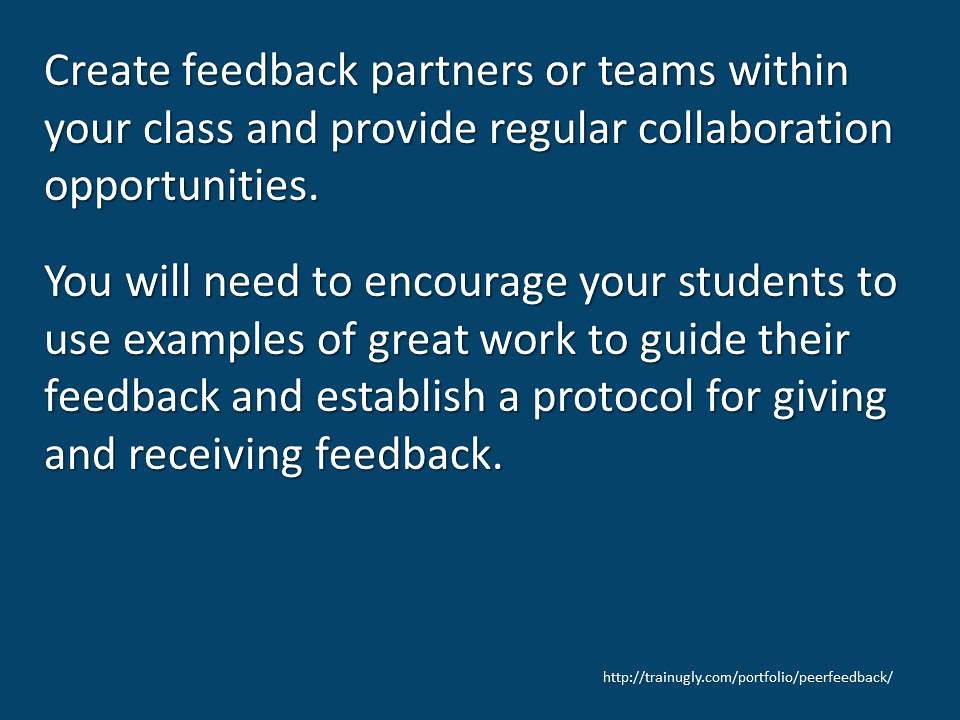
For international education leadership, actionable recommendations include the integration of training programs focused on giving and receiving feedback within professional development curricula. Partnering with EdTech companies to develop culturally sensitive AI feedback tools can bridge the gap between technology and personalization. Finally, an institutional culture of continuous feedback should be fostered, encompassing both digital and direct human interactions to promote a holistic and effective education ecosystem.
“`
Source article: https://hbr.org/podcast/2024/01/the-art-of-giving-feedback