
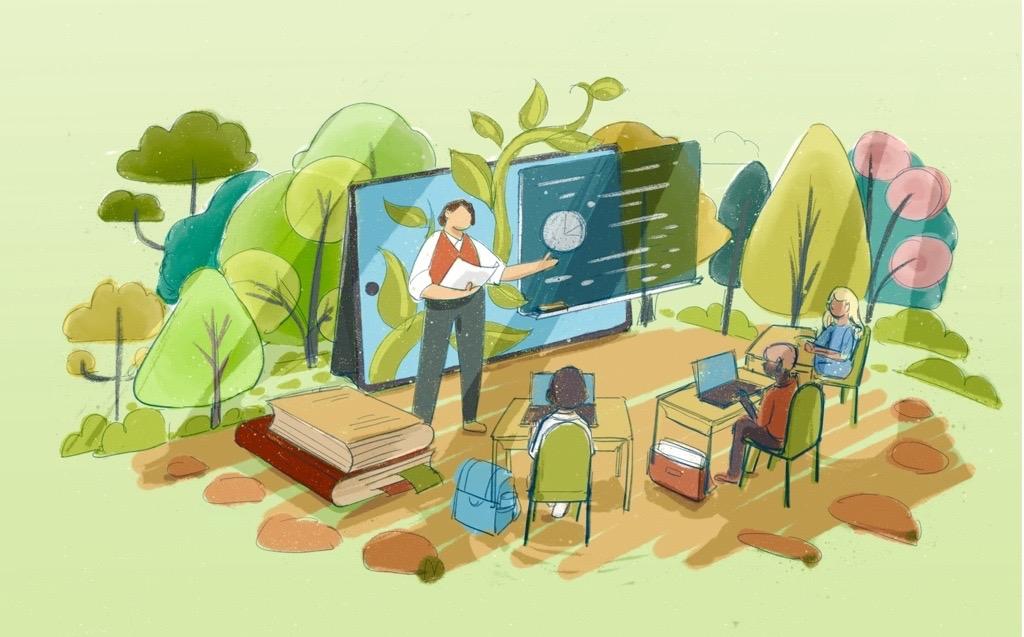
EdTech Meets Environmental Education: Driving Sustainability Through Digital learning
In today’s rapidly changing world, EdTech (Educational Technology) is emerging as a powerful force in shaping the future of environmental education. By leveraging digital learning platforms, educators and institutions are bridging the gap between theory and action, empowering learners to tackle pressing sustainability challenges. This comprehensive guide explores how EdTech supports sustainability by enhancing environmental education, presents practical strategies, real-world case studies, and shares actionable tips for educators, students, and organizations alike.
What is edtech and Environmental Education?
Defining edtech
Educational Technology, commonly called EdTech, encompasses digital platforms, tools, and resources designed to enhance teaching and learning. These include:
- Online courses and learning management systems (LMS)
- Interactive apps and gamified educational experiences
- Virtual reality (VR) and augmented reality (AR) simulations
- AI-powered tutoring and personalized learning pathways
Understanding Environmental Education
Environmental Education aims to increase awareness and understanding of environmental issues, foster responsible behaviors, and inspire learners to pursue sustainable living. Its goals include:
- Promoting eco-literacy and climate change awareness
- Encouraging critical thinking and problem-solving
- Empowering students to take actionable steps for sustainability
- Integrating environmental values into everyday decision making
How EdTech is Transforming Environmental Education
The intersection of EdTech and environmental education is fostering impactful changes. Virtual learning tools and online environmental courses are breaking down geographic barriers, ensuring that sustainability concepts reach diverse audiences worldwide.
key Ways EdTech Drives Sustainability
- Accessibility: EdTech enables learners from remote or underserved regions to access top-quality environmental education resources.
- Engagement: Interactive platforms, simulations, and multimedia content make learning about sustainability compelling and memorable.
- Scalability: Digital resources can be shared, reused, and scaled across classrooms or entire institutions, extending thier impact.
- Real-Time collaboration: EdTech fosters global discussions, webinars, and joint projects about environmental issues, connecting learners across continents.
- Personalized Learning: Data-driven personalization helps students tailor their sustainability learning journeys based on interests and needs.
Benefits of Integrating EdTech with Environmental Education
Empowering Future leaders
By merging EdTech and environmental education, we empower learners to become critical thinkers, innovators, and eco-conscious leaders.The digital approach not only optimizes engagement but also enables a deeper understanding of environmental concepts.
Measurable Advantages
- Cost-effective Sustainability: Digital resources reduce reliance on printed materials, lowering environmental footprint.
- Global Reach: online courses and webinars spread eco-literacy beyond national borders.
- Inclusive Learning: Adaptive EdTech tools cater to different learning abilities and preferences, making environmental education more inclusive.
- Immediate Feedback: Digital quizzes and assessments allow for real-time understanding and betterment.
- Data Insights: EdTech platforms offer valuable analytics,enabling institutions to identify areas for growth in their environmental curriculum.
Practical Tips for Educators and Institutions
How to Efficiently Blend EdTech with Sustainability Education
- Adopt Green Technology: Use energy-efficient devices and cloud-based platforms to minimize the carbon footprint of digital learning.
- Promote Virtual Field Trips: Leverage VR and AR simulations to transport students into ecosystems they may never physically visit, enhancing experiential learning.
- Gamify Learning Modules: Incorporate quizzes, badges, and interactive challenges focused on eco-friendly practices.
- Collaborate Globally: Connect classrooms worldwide for joint sustainability projects using video conferencing tools and collaborative apps.
- Track Progress: Use LMS analytics to measure how students engage with sustainability topics and adjust curriculum accordingly.
- Create Digital resource Hubs: Curate collections of articles, e-books, videos, and podcasts on climate action and eco-literacy accessible through your LMS.
Case Studies: EdTech fuels Sustainability Success
1. Eco-Schools & Digital Platforms
The Eco-Schools programme employs digital platforms for teacher training,curriculum sharing,and virtual challenges. Schools worldwide use the program’s online resources to integrate recycling projects, biodiversity monitoring, and climate change debates—all driven by EdTech.
2. Earth school by UNEP
Earth School, led by the United Nations Surroundings Programme (UNEP), provides daily environmental lessons through multimedia and interactive digital experiments. More than 40 organizations collaborate to offer virtual eco-learning to millions of students across 100+ countries.
3. VR for Coral Reef Conservation
Several universities use VR simulations to immerse students in coral reef ecosystems,highlighting the impacts of pollution and climate change. These vivid, interactive experiences motivate students to participate in local conservation initiatives.
First-hand Experience: Voices from the Field
Student Viewpoint
“Our online climate action course connected me with peers in Brazil and India. We tracked our energy consumption using a gamified app, and weekly video calls helped us brainstorm community outreach plans. Learning digitally made the experience personal and global at once.”
Educator Insight
“EdTech brings environmental issues to life in ways textbooks cannot. Using augmented reality, my ninth-grade class ‘walked’ through a rainforest and observed deforestation. The emotional impact led them to organize local tree-planting events.”
SEO best Practices for EdTech & Environmental Education websites
If you’re an educator, association, or EdTech professional creating online content about sustainability education, consider these best practices to boost your search engine ranking:
- Use keywords like EdTech for sustainability, digital environmental education, virtual eco-learning, green technology in education throughout your content.
- Optimize meta titles and descriptions for each page or post.
- structure articles using proper HTML header tags (H1, H2, H3) for readability and SEO.
- Include authoritative outbound links and contextual internal links.
- Update content regularly with latest research, tools, and resources.
- Incorporate multimedia (images, videos, infographics) with descriptive alt text.
Conclusion: Shaping a Greener Tomorrow Through Digital Learning
As EdTech continues to innovate, it’s revolutionizing environmental education and propelling us toward a more sustainable future. By integrating digital learning tools, educators can extend their impact, inspire students globally, and accelerate real-world action for sustainability. Whether you’re a teacher, learner, or institution, embracing EdTech is key to making environmental education accessible, engaging, and transformative.
The path to a greener world begins in today’s classrooms—physical and virtual. Let’s harness the power of EdTech to plant the seeds of sustainability, nurture eco-literacy, and grow a new generation of responsible leaders.