
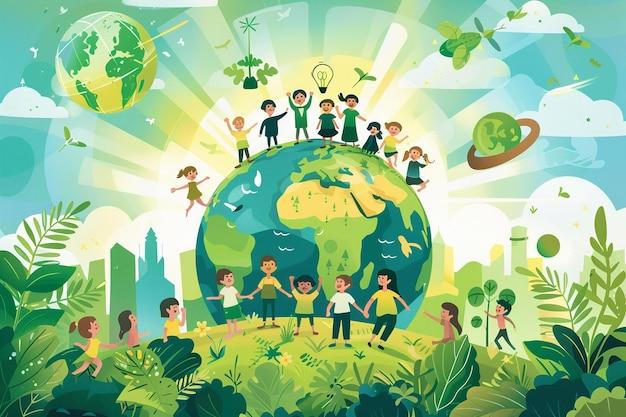
edtech Meets Environmental Education: Innovative Solutions for Sustainable Learning
The fusion of EdTech (Educational Technology) and environmental education is transforming classrooms and communities across the globe. as educators, policymakers, and learners focus more on sustainable practices, the demand for innovative solutions for sustainable learning has never been higher. In this article,we will explore how EdTech is revolutionizing environmental education,highlighting key benefits,practical strategies,real-world examples,and future trends driving eco-conscious learning in both classrooms and remote settings.
Understanding edtech and Environmental Education
EdTech refers to the use of digital technology to enhance teaching, learning, and educational management. Simultaneously occurring, environmental education aims to increase awareness, knowledge, and action regarding environmental challenges. when these two dynamic fields converge, they create powerful opportunities for sustainable learning—empowering learners to embrace eco-kind principles, climate literacy, and stewardship using engaging, accessible, and scalable digital tools.
The benefits of EdTech in Environmental Education
- Interactive Learning: Gamified apps, virtual simulations, and VR field trips make complex environmental concepts tangible and memorable.
- Global Reach: cloud-based platforms and online resources bridge geographical gaps, allowing students globally to access quality environmental education.
- Reduced Carbon Footprint: digital resources can significantly decrease the need for paper, travel, and energy-intensive physical infrastructure.
- Personalized Learning Paths: Adaptive EdTech tools enable customized lessons on sustainability topics, catering to individual learning speeds and interests.
- Real-Time data & Analytics: Access to live data (weather, pollution indices, biodiversity monitoring) helps students connect theory with real-world events.
- Encouraging Student-Led Action: Collaborative online platforms empower learners to design and share their own sustainability projects and solutions.
Innovative EdTech Solutions for Sustainable Learning
1. Virtual Reality (VR) and Augmented Reality (AR)
VR and AR applications are redefining environmental education by immersing students in ecosystems, past climate events, and simulated disaster responses. as an example, learners can ‘walk’ through rainforests or visualize ocean acidification in real-time, enhancing empathy and comprehension.
2. gamification Platforms
Platforms such as Kahoot!, EcoRise, and Classcraft integrate sustainability challenges and quizzes, motivating learners to compete and collaborate for greener outcomes. these tools foster engagement, healthy competition, and ongoing motivation in environmental learning.
3. Digital Collaboration & Project-Based Learning
Tools like Google Classroom and Microsoft Teams for Education enable students to form environmental clubs, participate in global green projects, and present findings online. This approach develops both digital literacy and environmental citizenship.
4. Open Educational Resources (OER)
A wealth of free, open-access resources—videos, eBooks, climate change datasets—are now available. Platforms such as National Geographic Education and the UNESCO Global education Coalition offer curriculum-aligned,up-to-date materials for sustainable learning.
5. Mobile Apps for Citizen Science
smartphones empower students to collect data on local biodiversity, weather, or pollution. Apps like iNaturalist and EarthWatch connect users with scientists worldwide, making every learner a contributor to critical research.
Case Studies: EdTech Empowering Sustainable environmental Initiatives
- Green School Bali: Integrates blended learning with sustainability themes. Its students use iPads to analyze energy consumption and manage renewable energy installations,creating a living,digital curriculum immersed in the natural world.
- Eco-Schools Worldwide: Over 19 million children in 68 countries utilize digital dashboards to track waste reduction, water conservation, and biodiversity targets. EdTech solutions enable real-time project monitoring, peer collaboration, and progress sharing.
- NASA’s GLOBE Program: Students use mobile technologies to collect environmental data—such as soil moisture and atmospheric conditions—contributing findings to a global science community and gaining first-hand insights into Earth systems.
Best Practices & Practical Tips for Educators
- Select Purposeful Tools: Choose EdTech solutions that directly support your curriculum goals—explore trial versions and gather feedback from students on usability and impact.
- Blend Offline and Online Experiences: Complement digital activities with hands-on projects such as school gardens, recycling drives, or renewable energy experiments for enhanced learning retention.
- Promote Collaboration and Critical Thinking: Assign group projects using online platforms, encouraging creativity and real-world problem-solving on sustainability issues.
- Measure and Celebrate Progress: use edtech dashboards to track milestones—waste recycled, energy saved, or trees planted—and reward achievements to maintain motivation.
- Ensure Accessibility: Select platforms and resources that are inclusive, supporting various learning needs and available in multiple languages to reach diverse learners.
Personal Experience: A Teacher’s Perspective
As a middle school science teacher piloting a digital biodiversity mapping project, I saw students light up as they spotted new species in their local park using the Seek by iNaturalist app. Engagement soared, with learners excitedly debating conservation strategies in an online forum integrated into our learning management system. Even parents joined to help identify plants and insects, turning the project into a true community effort. The digital nature of the project made updates and participation seamless—even during school closures—demonstrating the power of EdTech in building a culture of environmental stewardship.
Future Trends: Where Is EdTech for Environmental Education Headed?
- AI-Driven Personalized Learning: AI systems will soon adapt environmental topics and activities to individual interests and local relevance, increasing retention and action.
- Blockchain for Global Eco-Credentials: Verifiable records of sustainability projects could help students build international eco-portfolios for career and higher education.
- IoT-integrated Classrooms: Sensors in smart classrooms will let students monitor real-time air quality, energy consumption, and plant growth, making learning practical and immediate.
- Hybrid Learning Ecosystems: As remote and in-person education blend, expect seamless transitions between digital fieldwork and outdoor exploration, fueled by data-driven feedback.
Conclusion: Building a Sustainable Future through EdTech
EdTech meets environmental education at a critical moment. As the global community grapples with environmental crises, innovative technology empowers educators and learners to take meaningful, measurable action. From immersive simulations and gamification to real-time data collection and collaborative green projects, EdTech for sustainable learning lays the foundation for a more informed and eco-conscious generation. By embracing these innovative solutions, every school, family, and community can join the movement for a sustainable future—one digital step at a time.