
EdTech Meets Environmental Education: Revolutionizing Eco-Learning for a Sustainable Future
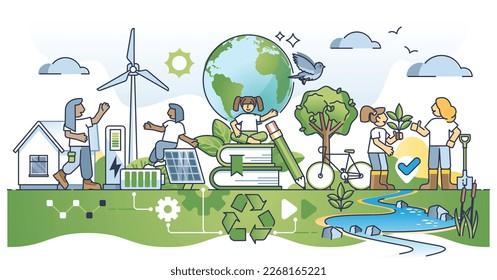
In the face of escalating environmental challenges, the need for sustainable education has never been more urgent. The integration of educational technology (EdTech) with environmental education is transforming how students, educators, and communities approach eco-learning. By leveraging the latest digital innovations, EdTech is cultivating environmental awareness, inspiring eco-friendly habits, and empowering future generations to drive positive change. In this article, we delve deep into the ways EdTech is revolutionizing environmental education, the benefits of this dynamic fusion, impactful case studies, and practical tips for integrating eco-learning tools into classrooms worldwide.
Understanding EdTech and Environmental Education
EdTech refers to the use of digital technology, platforms, and tools to enhance teaching and learning. From interactive simulations to AI-driven personalized curricula, EdTech bridges the gap between traditional instruction and the modern digital age.
Environmental education aims to foster knowledge, attitudes, and behaviors that promote sustainability and stewardship for the planet. Traditionally,it has relied on physical classrooms,local field trips,and in-person workshops. Now, with the aid of technology, environmental education is accessible, engaging, and scalable like never before.
Key Focus Areas in Modern Eco-Learning
- Climate change awareness
- Sustainable resource management
- Biodiversity and ecosystem protection
- Green innovations and renewable energy
- Waste reduction and recycling
- Community-based environmental action
How EdTech Is Revolutionizing Environmental Education
Technology is a game-changer in empowering eco-learning on a global scale. Here’s how EdTech is making environmental education more impactful, inclusive, and effective:
1.Interactive and Immersive Learning Experiences
- Virtual field trips: Students can explore rainforests, coral reefs, and endangered habitats without leaving their classrooms thanks to VR (Virtual Reality) and AR (Augmented Reality) tools.
- Simulations and gamification: EdTech platforms deploy engaging games and simulations that let learners experiment with environmental policies, observe ecological outcomes, and develop critical thinking around sustainability.
- dynamic multimedia content: Videos, infographics, and interactive modules bring complex environmental concepts to life for all learning styles.
2. Personalization and Inclusivity
EdTech enables customized learning paths,ensuring that environmental education is accessible to all,regardless of geography or ability. AI-driven platforms adapt to individual student needs and local environmental contexts.
3. Real-Time Data and Citizen Science
- IoT-enabled sensors allow students to monitor air or water quality in real time and analyze findings on collaborative online dashboards.
- global eco-learning initiatives utilize apps for citizen science, where students contribute to environmental research and solutions from anywhere in the world.
4. Collaborative and Global Learning Communities
Cloud-based EdTech tools facilitate cross-border collaboration among students, teachers, and environmental professionals. Learners can participate in global discussions, sustainability hackathons, and joint eco-projects that foster a sense of shared responsibility.
EdTech-based environmental education resources are available in multiple languages, breaking down barriers and promoting equity in eco-learning worldwide.
Benefits of EdTech in Environmental Education
- Increased engagement: Interactive content and gamification captivate students,making eco-learning fun and memorable.
- Scalability: Digital platforms can reach remote and underserved communities, democratizing access to top-quality environmental education.
- Up-to-date details: Online content can be continually refreshed, ensuring students receive the latest insights on environmental issues and innovations.
- Sustainable practices: EdTech reduces reliance on paper and physical resources, aligning the learning process itself with eco-friendly principles.
- Empowerment: Students acquire practical skills to analyze, advocate, and act for a sustainable future.
Case Studies: EdTech Transforming Eco-Learning
Case Study 1: Earth School by TED-Ed & UNEP
Amid the global COVID-19 pandemic, Earth School launched as an online platform to provide free, curated environmental education resources. Utilizing engaging videos, quizzes, and virtual journeys, Earth School attracted millions of students worldwide, sparking curiosity about sustainability and the planet’s health.
Case Study 2: iNaturalist – Crowdsourced Biodiversity Data
The app iNaturalist connects learners with nature through digital citizen science.Students record local flora and fauna, upload their observations via their smartphones, and contribute to real-world biodiversity research. This hands-on use of EdTech bridges classroom theory and community action.
Case Study 3: Minecraft: Education Edition – Sustainable Cities
Minecraft: Education Edition includes modules on sustainable cities, where students design eco-friendly neighborhoods, experiment with renewable energy, and simulate the effects of urban greening. These immersive experiences foster eco-literacy and spark creative problem-solving.
First-Hand Experiences: Voices from the Classroom
- “My students took a VR field trip to the Amazon Rainforest.For many, it was their first time ‘seeing’ this ecosystem. They came away motivated to learn more about conservation and climate change.” – Rebecca G.,Environmental Science Teacher.
- “Using iNaturalist, we discovered a rare butterfly species in our local park! The kids were thrilled to contribute data to global scientists.” – Luis T., Middle School Educator.
- “Eco-gaming in Minecraft helped my class understand the impact of deforestation in a hands-on, visual way. Their projects were both creative and full of sustainable solutions.” – Priya K., High School IT Teacher.
practical Tips for Integrating EdTech into Eco-Learning
- Start small: Incorporate short videos or interactive quizzes on environmental topics before expanding to full-scale projects.
- Leverage free resources: Platforms like Earth School, National Geographic Education, and Khan Academy offer high-quality, no-cost eco-learning content.
- Encourage hands-on activities: Use citizen science apps for outdoor observation or virtual labs to simulate experiments.
- Promote collaboration: Set up virtual classrooms or partner with schools in other regions for joint sustainability challenges.
- facilitate reflection: Use digital journals or blogs where students can document their learning journey and share actionable eco-friendly ideas.
- Make it relevant: Connect lessons to local and global events (Earth Day,World Oceans Day) to illustrate real-world impact.
- Support teachers: Offer professional development on educational technology and access to current environmental science resources.
Future Trends: What’s Next for EdTech and Environmental Education?
- AI-powered personalization: Tailoring eco-learning modules to each student’s interests and context.
- Augmented reality fieldwork: Blending real-world environments with digital overlays for deeper understanding of ecosystems.
- Blockchain verification: Tracking student participation in verified sustainability projects and carbon footprint challenges.
- Global virtual eco-summits: Connecting youth and educators for large-scale, solution-oriented discussions across continents.
The pace of innovation promises that the intersection of EdTech and environmental education will drive even more creative,impactful,and accessible sustainability learning in years to come.
Conclusion: EdTech and Eco-Learning—Empowering Change for a Greener Tomorrow
By merging the potential of educational technology with the critical mission of environmental education,educators and learners are dismantling barriers and revolutionizing the future of eco-learning. EdTech provides the tools to inspire curiosity, deepen understanding, and drive collective action for sustainability on a global scale. Whether through immersive digital field trips, collaborative citizen science, or gamified challenges, these innovations give everyone—not just future scientists, but all global citizens—the knowledge and agency to build a more sustainable future.
Now is the time to embrace the power of EdTech in environmental education. By doing so, we unlock the potential of every learner to care for and protect our precious planet.