
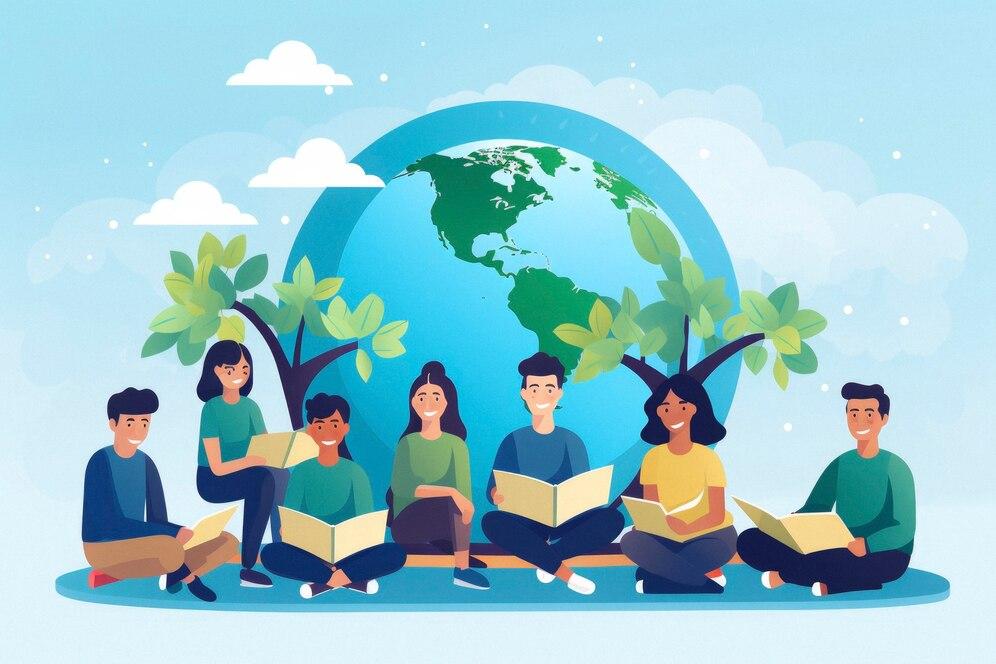
EdTech Meets Environmental Education: Revolutionizing sustainable Learning
The merge of educational technology (EdTech) and environmental education is rapidly shaping how learners engage with sustainability. Discover how innovative EdTech tools are making environmental education more accessible, interactive, and impactful, paving the way for a greener future.
Table of Contents
- Why EdTech is crucial to Environmental Education
- Innovative EdTech Tools for Sustainable learning
- Key Benefits of Sustainable EdTech Solutions
- Practical Tips for Implementing EdTech in Environmental Education
- Real-World Case Studies: EdTech Empowering Environmental Learning
- Conclusion: The Path Forward for Sustainable Learning
Why EdTech is Crucial to Environmental Education
As the world faces growing environmental challenges, fostering eco-literacy among students has never been more vital. Traditional teaching methods often struggle to keep pace with the dynamic and complex nature of environmental issues.This is where EdTech steps in, offering innovative avenues for delivering environmental education that is engaging, scalable, and data-driven.
Key reasons why EdTech is transforming environmental learning include:
- Global Access: Online platforms and mobile apps make eco-education available to learners worldwide.
- Interactive Engagement: Gamification, simulations, and AR/VR experiences bring environmental concepts to life.
- Personalized Learning: Adaptive EdTech platforms tailor content to individual learning speeds and interests.
- Real-Time Data: Technology empowers real-world environmental monitoring and citizen science projects.
Innovative EdTech Tools for sustainable Learning
Modern EdTech offers a diverse toolbox for sustainable learning. Here are some cutting-edge resources that are revolutionizing environmental education:
1. Interactive E-Learning Platforms
Platforms like Khan Academy or National Geographic Education provide self-paced lessons, videos, and quizzes on ecological topics, making environmental learning accessible anytime and anywhere.
2. Virtual Reality (VR) & Augmented Reality (AR)
Technologies like ClassVR and google Expeditions allow students to experience rainforests, reefs, and melting glaciers in immersive 3D environments, fostering empathy and deeper understanding.
3. Gamified Learning Apps
Apps such as EcoChains and Earth Hero use game mechanics to teach sustainability, biodiversity, and climate action in fun, memorable ways.
4. Remote Environmental Sensor Networks
IoT-based tools like Globe Observer enable students to collect and analyze environmental data—such as air quality and temperature—bridging classroom learning with real-world science.
5. Online Collaboration platforms
tools like Google Classroom and Microsoft Teams streamline project-based learning on green initiatives, making it easier to collaborate on sustainability projects across distances.
Key Benefits of Sustainable EdTech Solutions
- Eco-Friendly Learning: Replace paper materials and reduce carbon footprints with digital resources.
- Scalable Impact: Reach large, diverse audiences with minimal logistical constraints.
- Real-World Relevance: Connect students directly to current global environmental issues.
- Community Engagement: Foster citizenship and collective action via technology-based community projects.
- Lifelong Learning: Encourage ongoing eco-education for all age groups through accessible platforms.
Practical Tips for Implementing edtech in Environmental Education
Bringing EdTech into your environmental education program doesn’t have to be daunting. Here are some practical strategies to help schools, educators, and eco-advocates get started:
-
Choose Purposeful Tech:
Select tools that align directly with your learning objectives, such as interactive maps for geography or VR for habitat exploration.
-
Integrate Real-World Projects:
Engage students in citizen science, recycling challenges, or energy monitoring, linking EdTech tools with hands-on activities.
-
Provide Teacher Training:
Equip educators with the knowledge and confidence to integrate new tools effectively and sustainably.
-
Encourage Peer Collaboration:
Use forums or shared digital workspaces to foster teamwork and discussion on environmental problems and solutions.
-
Promote Digital literacy & Sustainability:
Incorporate lessons on reducing e-waste, conserving digital energy, and using cloud platforms responsibly.
Real-World Case Studies: EdTech Empowering Environmental Learning
Groundbreaking EdTech projects are making sustainable learning a reality across the globe. Here are two inspiring examples:
Case Study 1: The Eco-Schools Digital Platform (International)
The Eco-schools program leverages a centralized online platform to help schools worldwide track progress on sustainability initiatives. From energy audits to biodiversity projects, the platform encourages collaboration, shares best practices, and enables students to visualize the environmental impact of their actions in real-time.
Case Study 2: Virtual Nature Expeditions (California, USA)
The California Academy of Sciences deployed AR/VR tools during the pandemic to continue field trips virtually. Students explored local ecosystems, conducted species identification, and contributed to digital field logs—maintaining high levels of engagement and learning, even from home.
These examples highlight how technology bridges geographic and economic gaps, offering every student the chance to experience and positively impact the environment.
Conclusion: The Path Forward for Sustainable Learning
The synergy between EdTech and environmental education is more than a trend—it’s a necessity for fostering stewardship of our planet in the digital age. By embracing sustainable learning technologies, educators and learners can transform eco-awareness from theory into action.
As schools, institutions, and communities harness the power of EdTech, we move closer to embedding sustainability into the core of modern education. The future of environmental education is interactive, global, and—above all—sustainable.