
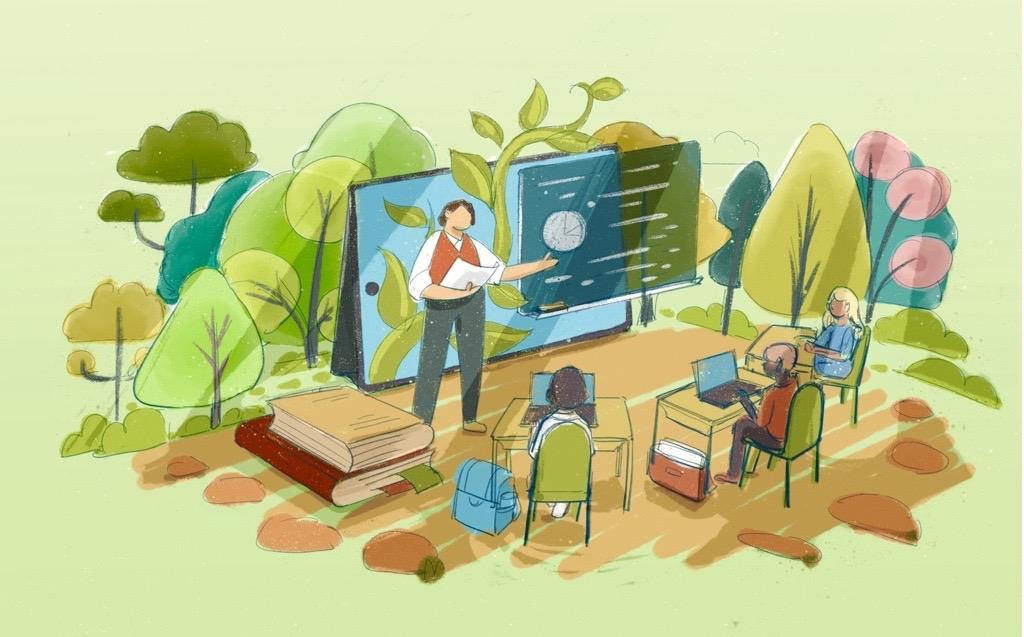
EdTech Meets Environmental Education: Transforming how We Teach Sustainability
In today’s rapidly evolving world, the intersection of education technology (EdTech) and environmental education is ushering in a new era of teaching sustainability. As global challenges like climate change,plastic pollution,and biodiversity loss become more pressing,the need to equip learners with eco-conscious knowledge and skills is stronger than ever. The fusion of EdTech and environmental literacy is not only making sustainability education more accessible and engaging but also more impactful. In this article,we’ll explore the transformative impact of EdTech on environmental education and provide insights into innovative approaches,case studies,practical tips,and the far-reaching benefits of digital green learning.
Why Integrate EdTech with Environmental Education?
the use of EdTech tools in environmental education offers a dynamic and interactive pathway to teach complex sustainability concepts.by leveraging digital platforms, educators can create immersive learning experiences that foster deeper understanding and inspire action.
- Accessibility: Digital resources break down geographical barriers, making sustainability knowledge accessible to a global audience.
- Interactivity: Gamification, virtual reality, and simulations turn learning into a hands-on experience, facilitating better retention.
- Real-time Data: Access to live environmental data (e.g., air quality, weather patterns) enhances relevance and context.
- Collaboration: Online platforms enable international projects, connecting students and teachers worldwide to address environmental challenges together.
Key EdTech Tools Revolutionizing Sustainability Learning
- Learning Management Systems (LMS): Platforms like Moodle, Canvas, and Google Classroom offer eco-themed courses, quizzes, and project collaboration spaces.
- Virtual Reality (VR) & Augmented Reality (AR): Applications such as Google Expeditions allow students to virtually explore rainforests, coral reefs, and endangered habitats.
- Online Simulations & Games: games like “Eco” and simulations from National Geographic teach systems thinking by letting learners experiment with sustainable outcomes.
- Interactive Maps & Data Visualization: Tools like ArcGIS provide real-time environmental monitoring and actionable insights.
- Webinars & MOOCs: Massive Open online Courses (MOOCs) on platforms like Coursera and edX deliver expert-led sustainability content globally.
- Mobile learning Apps: Apps focus on daily eco-habits, waste reduction, and energy conservation, turning sustainability into everyday practice.
Benefits of Digital Environmental Education
- Engagement: Interactive formats and gamification keep students motivated and curious about environmental topics.
- Scalability: EdTech enables educators to reach thousands of learners in diverse locations, multiplying the impact of sustainability education.
- Personalization: Adaptive learning systems tailor content to individual learning styles, ensuring mastery of complex concepts like carbon cycling or renewable energy sources.
- Cultural Relevance: Digital resources can be easily localized and translated for culturally relevant lessons in global classrooms.
- Inspiring Action: Virtual simulations and scenario planning help students see the direct consequences of their choices—whether positive or negative.
Case Studies: EdTech & Sustainability in Action
1. iNaturalist in Global Classrooms
iNaturalist, powered by the California Academy of Sciences and National Geographic, is a biodiversity platform where students engage in citizen science. Learners photograph local flora and fauna, contributing valuable data to global science while fostering a connection to their immediate surroundings—enhanced by easy-to-use mobile apps.
2. Minecraft: education Edition — Sustainable Cities Challenge
Microsoft’s Minecraft: Education Edition features sustainability modules where students design green cities, implement renewable energy, and tackle challenges like waste management—building systems thinking and practical solutions in a virtual, risk-free environment.
3. WWF’s Online Eco-Schools Platform
The World Wide fund for Nature (WWF) has created digital Eco-Schools programs to empower students around the world to take climate action. Through digital badges,challenges,and community forums,kids learn,implement,and share sustainability projects,amplifying their impact.
Practical Tips: Integrating EdTech in Environmental Education
- Start Small: Introduce one digital tool at a time to help students and educators adjust smoothly.
- Blend Digital with Outdoor Learning: Use technology (like plant identification apps or air quality sensors) alongside real-world exploration for a holistic approach.
- Foster Collaboration: Leverage platforms that facilitate teamwork—host global eco-projects or environmental hackathons online.
- Use Real Data: Integrate real-time environmental data from local and global sources to make lessons tangible and immediately relevant.
- Encourage Creative Expression: Allow students to create digital sustainability campaigns, podcasts, or videos for social impact.
- Provide Timely Feedback: Use LMS analytics to monitor progress and provide personalized guidance on sustainability topics.
Overcoming Challenges with edtech in Sustainability Education
- Digital Divide: Ensure accessibility by choosing platforms that work on low-tech devices and supporting offline options where possible.
- Teacher Training: Offer professional progress to equip educators with skills to integrate EdTech into their sustainability lessons effectively.
- Balancing Screen Time: Combine digital learning with hands-on, offline activities to promote holistic engagement.
- Data Privacy: Select secure, reputable EdTech services with robust privacy policies, especially for young learners.
First-Hand Experience: A Teacher’s Perspective
“Introducing interactive EdTech resources transformed sustainability learning in my classroom. My students were not only more engrossed but also started leading neighborhood recycling campaigns inspired by virtual projects. The prospect to connect with students in other countries,share findings,and discuss local environmental issues gave a new dimension to our learning — making sustainability real,urgent,and collaborative.”
– Maria Lopez,Middle School Science Teacher
The Future of Environmental Education: A Digital Green Revolution
As the world becomes more digital,innovative learning technologies will continue to evolve—paving the way for more inclusive,interactive,and effective sustainability education. Emerging technologies, such as artificial intelligence, the Internet of Things (IoT), and blockchain, are already starting to shape the way schools and communities approach environmental issues. Imagine AI-powered personalized sustainability lessons or blockchain-certified green projects that students can showcase globally!
- Global Collaboration: Students can solve real-world problems together, regardless of their location.
- Cloud-Based Projects: Cloud technology supports seamless sharing and archiving of student-driven eco-initiatives.
- Open Educational Resources: Freely accessible digital content ensures that no student is left behind in the drive for a greener future.
Conclusion: Empowering Eco-Literacy Through Innovation
EdTech and environmental education are a powerful match. Together, they offer innovative tools and strategies to not only teach sustainability but also inspire eco-friendly action in students of all ages.By integrating digital learning into sustainability curricula, educators can ignite curiosity, drive collaboration, and empower learners to become proactive guardians of the Earth.
As we continue to meet the challenges of the 21st century, embracing the synergy between technology and environmental consciousness will be key to nurturing a resilient, eco-literate generation capable of building a better, more sustainable world.