
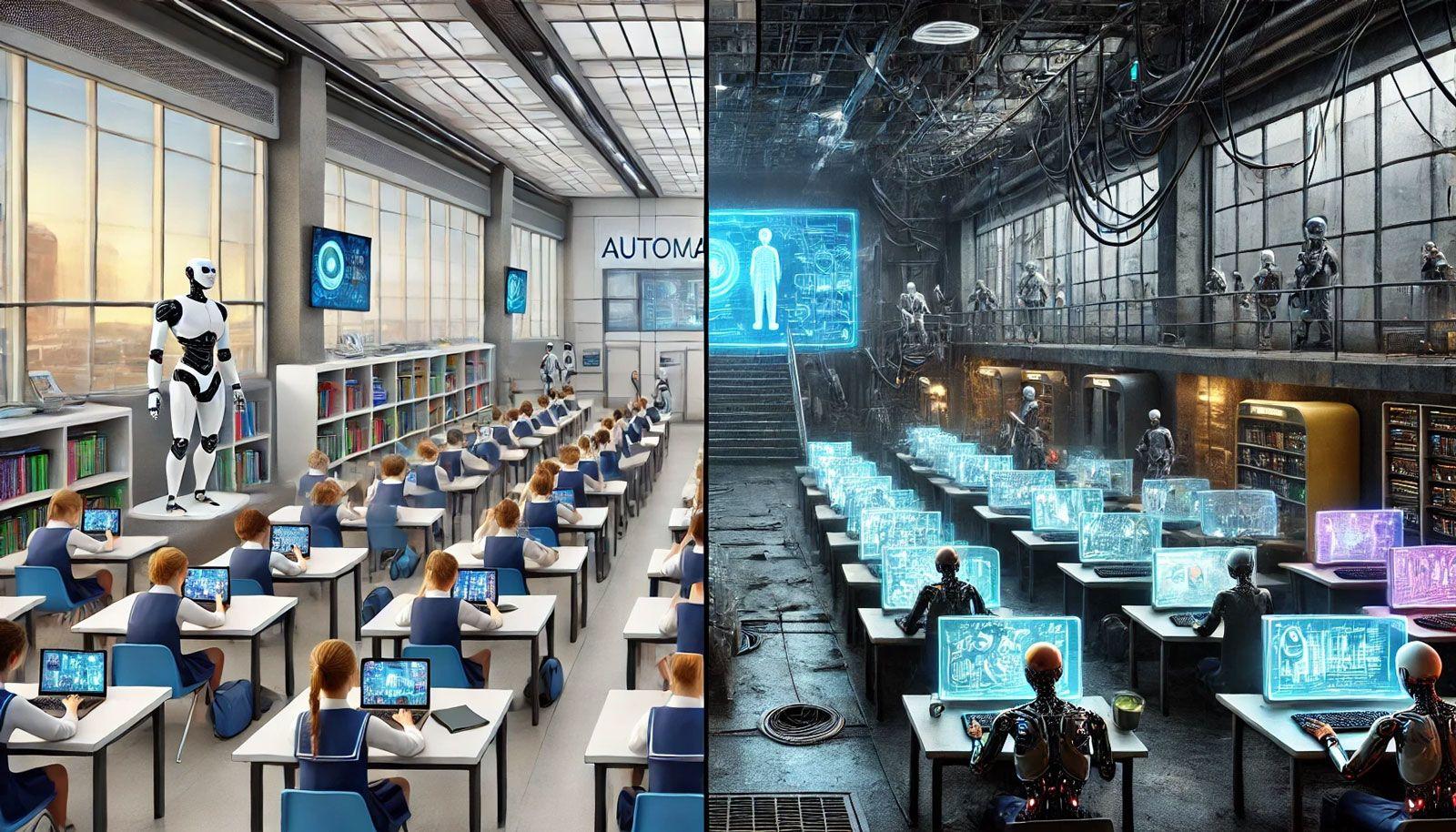
EdTech Revolution: Predicting the Next Big Thing Shaping the Future of Education
In recent years, the EdTech revolution has rapidly transformed every facet of learning, redefining what classrooms look like and how knowledge is shared. As technology seamlessly merges with education, the outlook for the future of learning is more exciting—and unpredictable—than ever.But as artificial intelligence spreads, VR and AR become more accessible, and global connectivity improves, everyone is asking: What is the next big thing in EdTech that will truly reshape the future of education?
Introduction: The Evolving Landscape of Educational Technology
Education and technology have always been intertwined, but never before has technology advanced at such a rapid pace. The COVID-19 pandemic further accelerated this digital transformation, making virtual classrooms and online learning platforms a staple in modern education. Today, students and educators are leveraging everything from personalized AI tutors to immersive virtual labs—ushering in a new era where customary boundaries are blurred.
In this article, we’ll dive deep into:
- The hottest EdTech trends revolutionizing classrooms and learning experiences
- Benefits and challenges of emerging technologies in education
- Practical tips for educators and institutions
- Expert predictions and insightful case studies
- A glimpse into the next big thing shaping the future of education
Top EdTech Trends Transforming Education
The EdTech landscape is bustling with innovation. Here are the leading trends you need to watch:
1. Artificial intelligence (AI) and Machine Learning (ML)
AI isn’t just a buzzword anymore—it’s making personalized education a reality. From adaptive learning platforms that tailor content to individual student needs, to AI-driven tutors providing instant feedback, machine learning is transforming how we teach and learn.
- personalized Learning: AI analyzes student data to deliver customized support and resources.
- Smart Grading: Automates assessment, freeing up teachers for creative lesson planning.
- Predictive Analytics: Identifies struggling students before issues escalate, ensuring timely intervention.
2. Virtual reality (VR) and Augmented Reality (AR)
Immersive technologies are creating exciting,interactive learning experiences. Imagine exploring ancient civilizations with VR field trips, or dissecting virtual frogs in biology class.
- Real-World Engagement: Makes abstract concepts tangible and memorable.
- Inclusive Experience: Brings complex STEM concepts to life for all learning styles.
3. Gamification and Game-Based Learning
Gamified educational content boosts engagement, motivation, and retention. From language learning apps to math games, gamification is making learning fun and effective.
- Instant Feedback: Reinforces positive learning behaviors.
- Progress Tracking: Helps students visualize achievements and goals.
4. Microlearning and On-Demand Content
Bite-sized lessons, video tutorials, and interactive modules are empowering self-paced learning, catering to diverse needs and busy schedules.
- Flexible Learning: Learners can access content anytime, anywhere.
- Retention-focused: Small, digestible chunks improve information recall.
5. Cloud-based Platforms and Learning Management systems (LMS)
Cloud technology is the backbone of modern educational infrastructure,facilitating resource sharing,collaboration,and remote access for teachers and students worldwide.
- Seamless Collaboration: Real-time feedback and group projects are easier than ever.
- Accessible Anywhere: Welcomes learners from every corner of the globe.
Anticipating the Next big Thing in EdTech
While these trends are already having a massive impact, ther is a growing consensus among experts: the convergence of AI-driven adaptive learning and immersive virtual environments will be the “game-changer” in education over the next decade.
AI-Powered Adaptive Learning Ecosystems
Imagine platforms that don’t just recommend content, but dynamically adjust lessons based on real-time student responses, emotional cues, and even biometric feedback. These adaptive learning ecosystems promise to:
- Close achievement gaps by offering hyper-personalized pathways
- Raise engagement through intelligent gamification and storytelling
- Utilize data-driven insights to inform educators and drive curricular improvements
Mixed Reality (MR) Classrooms
By merging real and virtual worlds, Mixed reality (MR) offers unprecedented opportunities for experiential learning. This enables students to conduct labs, explore foreign environments, or even practice soft skills through realistic simulations—right from their living room or classroom.
Global Collaborative Learning
With better IT infrastructure and worldwide translation tools, virtual classrooms will become truly international, allowing students from different countries and cultures to collaborate on projects and share diverse perspectives.
key benefits of the EdTech Revolution
- Equitable Access: Remote learning bridges gaps for underserved and rural communities
- Improved Outcomes: Personalized tools ensure better retention and understanding
- Teacher Empowerment: Automation and smart analytics reduce workload and enhance instruction
- Real-Time Assessment: Data-driven insights enable faster, more accurate feedback
- Scalable Education: Quality learning can reach millions, irrespective of location
Challenges and Considerations
While the EdTech revolution brings plenty of promise, it’s not without its hurdles. Common challenges include:
- Digital Divide: Not all students have reliable internet and devices
- Privacy Concerns: Sensitive student data must be protected
- Training Requirements: Educators need ongoing support and professional advancement
- Keeping Learning Human: Balancing automation with authentic, meaningful human interaction
Practical Tips for Schools and Educators
- Experiment Boldly: Pilot the latest EdTech platforms or mixed reality tools before full-scale adoption
- Invest in Training: Regular workshops ensure teachers stay ahead of the technology curve
- prioritize Equity: Provide devices or Wi-Fi hotspots for students who lack access
- Emphasize Data Security: Choose vendors committed to student privacy and regulatory compliance
- Foster a Growth Mindset: Encourage experimentation and be open to reimagining traditional pedagogies
Case Study: AI-Powered Learning in Practice
case Study – Squirrel AI Learning (China)
Squirrel AI is a pioneering adaptive learning company that uses AI to tailor educational content for students in real-time.The platform constantly analyzes student performance, iteratively adjusting lessons, assessments, and support for optimal results. Their research suggests this technology can help underperforming students rapidly catch up, ultimately raising standardized test scores and engagement.
Similar platforms are being piloted in the US, UK, and beyond, demonstrating the global impact and scalability of AI-powered edtech solutions.
First-Hand Experience: Voices from the EdTech Frontier
“In my classroom, AI tools have made differentiating instruction so much easier. I spend less time grading and more time engaging with students in meaningful discussions.” — Ms. Tan, Middle School Science Teacher
“Learning through VR has been a game-changer for my students. Concepts like molecular biology have come alive in ways textbooks could never provide.” — Mr. Singh, High School Biology Instructor
Conclusion: Embracing the Future of Education
The EdTech revolution is not just about digital gadgets and software—it’s about democratizing education, making learning more personalized, immersive, and effective. As we look ahead, the intersection of AI, mixed reality, and global connectivity promises to unlock new possibilities, bridging gaps and preparing learners for the jobs of tomorrow.
If you’re an educator, parent, or policymaker, now is the time to embrace change, invest in technology, and champion innovation. The next big thing in EdTech isn’t just on the horizon—it’s already reshaping the future of education today.