
EdTech Trends: Predicting the Next Big Innovation Shaping Education
Education technology, or EdTech, is experiencing a dynamic surge, transforming the way students and teachers interact, share knowledge, and build skills. As digital learning becomes the new norm, predicting the next big EdTech innovation is key for schools, educators, and edtech startups striving to stay ahead. In this article, we’ll explore the latest EdTech trends, their benefits, practical implementation tips, and the future impact of cutting-edge education technology.
Table of Contents
- The Future of EdTech: A Brief Overview
- Top Emerging EdTech Trends Shaping Education
- Key Benefits of Adopting New EdTech Innovations
- Practical Tips for Educators & Institutions
- Case Study: EdTech Success Story
- Conclusion: Embracing the Next Big EdTech Innovation
the Future of EdTech: A Brief Overview
The global EdTech market is projected to reach $404 billion by 2025, reflecting a growing appetite for digital tools and platforms that enhance both teaching and learning. From personalized learning experiences and immersive technologies to artificial intelligence and blockchain, the EdTech sector is rapidly evolving, making education more accessible and effective than ever before.
Why Are EdTech Trends So Crucial?
- Bridge Skill gaps: EdTech helps close the gap between customary curricula and real-world skills.
- Foster Engagement: Interactive digital tools engage students and promote collaborative learning.
- Promote Inclusion: Digital resources make quality education accessible, regardless of location.
Top Emerging EdTech Trends Shaping Education
let’s explore the prominent EdTech trends reshaping classrooms, universities, and lifelong learning environments in 2024 and beyond.
1. Artificial Intelligence & Adaptive Learning
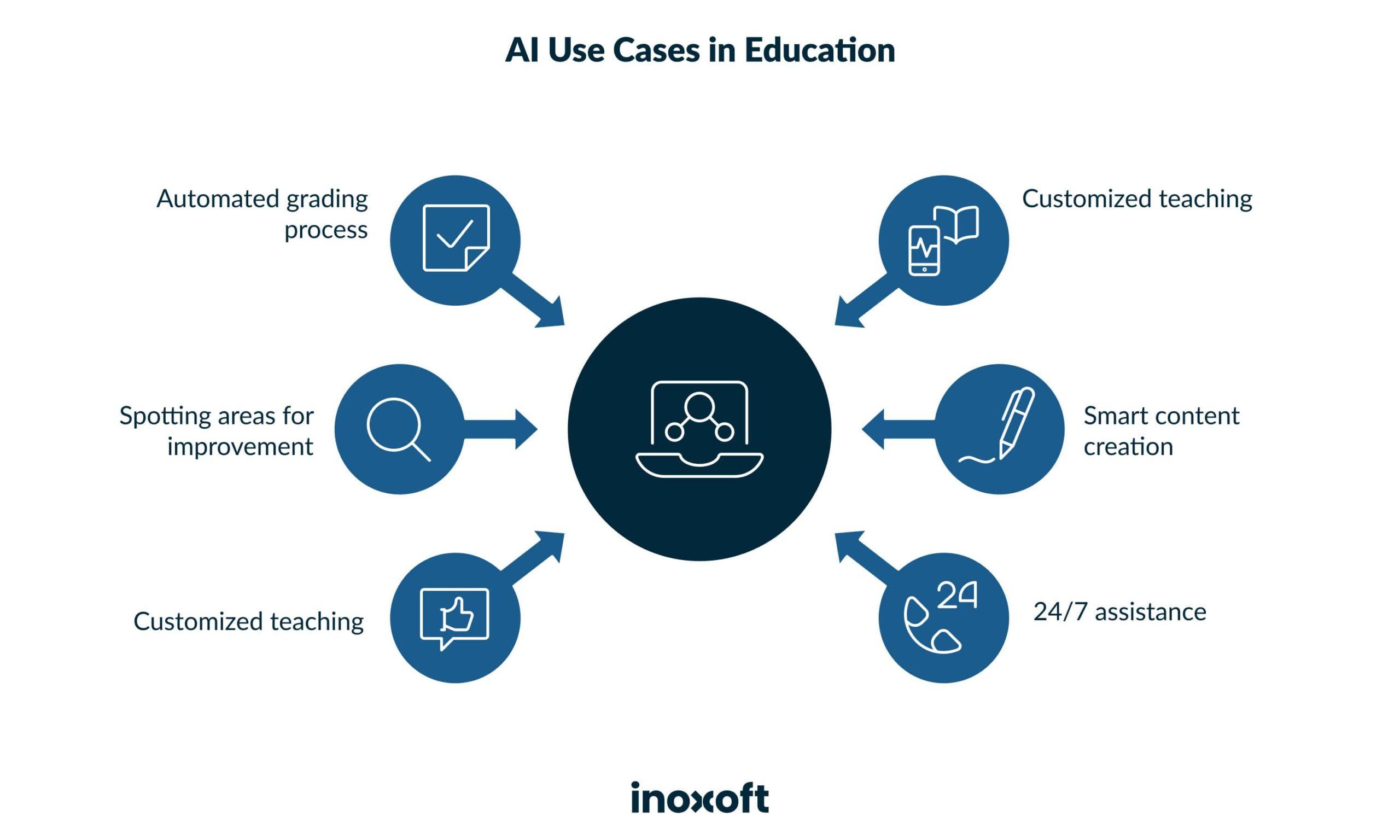
AI-powered learning platforms are revolutionizing education by providing personalized content, automating grading, and delivering real-time feedback.Adaptive learning systems analyze a student’s performance, adjusting lesson pace and difficulty to maximize comprehension and retention.
- Examples: Squirrel AI, Carnegie Learning, Smart Sparrow
- Benefits: Customized support, improved outcomes, time-saving for educators
2. Immersive Learning Through AR, VR, and XR
Augmented Reality (AR), Virtual Reality (VR), and Extended Reality (XR) are providing immersive, hands-on learning experiences. These technologies bring abstract concepts to life, allowing learners to explore everything from ancient civilizations to complex scientific mechanisms in 3D, interactive environments.
- Applications: Virtual science labs, ancient reconstructions, medical simulations
- Keywords: immersive learning, virtual simulations, AR in education
3. Gamification of the Learning Experience
The integration of game design elements—such as points, leaderboards, and rewards—into educational contexts keeps learners motivated and engaged. Gamified platforms tap into students’ natural desire for achievement and pleasant competition.
- Popular EdTech Tools: Kahoot!, Classcraft, Duolingo
- Outcome: Higher engagement, improved retention rates, immediate feedback
4. Data-Driven Instruction and Learning Analytics
Learning analytics enable educators to make informed decisions by offering insights into student progress, strengths, and areas needing improvement. Data-driven instruction helps personalize learning journeys and identify at-risk students early.
- Benefits: Targeted interventions, optimized curriculum design, better student outcomes
5.blockchain and Credentialing in Education
Blockchain technology is enhancing education security by allowing for verifiable,tamper-proof digital credentials. This trend makes tracking qualifications easier for both students and institutions, reducing fraud and streamlining the hiring process.
- Use cases: Digital diplomas, micro-credentialing, secure transcripts
6. Cloud-Based Learning Platforms
Cloud technology is making collaborative, remote, and hybrid education seamless and scalable. Platforms like Google Classroom and Microsoft Teams provide integrated learning environments accessible from any device, fostering adaptability and inclusivity.
- Benefits: Real-time collaboration,24/7 accessibility,easy content updates
7. Focus on Social-Emotional Learning and Well-Being
edtech solutions are increasingly prioritizing students’ mental health and emotional well-being. Platforms are integrating mindfulness, counseling, and peer support into everyday learning experiences, promoting holistic growth.
Key Benefits of Adopting new EdTech Innovations
Embracing these emerging EdTech trends delivers significant value for educators, learners, and institutions:
- Personalized Learning paths: Customized content ensures each learner advances at their own pace.
- Enhanced Accessibility: Students in remote or underserved areas can access world-class education resources.
- Data-Backed Teaching: Educators can refine strategies using real-time analytics.
- Time and Cost Efficiency: Automated grading and digital platforms cut administrative burden and material costs.
- Global Collaboration: Cloud and mobile tools connect learners and teachers worldwide.
Potential Challenges
While EdTech innovations offer exciting possibilities, they also present challenges:
- Digital divide impacts equitable access
- Privacy and data security concerns
- Potential for screen fatigue and disengagement
Practical Tips for Educators & Institutions
How can teachers and organizations successfully integrate the latest EdTech trends?
- Start Small: Pilot new tools with a small group before scaling up.
- Invest in training: Provide ongoing professional development to ensure staff are comfortable with new technologies.
- Prioritize Accessibility: Choose solutions compliant with accessibility standards and multilingual support.
- Foster a Growth Mindset: Encourage experimentation and learning from initial failures.
- Collect Feedback: Regularly survey students and teachers to refine technology choices.
- Focus on Outcomes: track performance and adjust approaches based on data-driven insights.
Case Study: EdTech Success Story
Let’s look at a real-world example of how EdTech trends are making an impact:
Case Study: Personalized Learning with AI in a public School
Lincoln Elementary School adopted an AI-powered adaptive learning platform for its math curriculum. The software assessed individual student progress daily and adjusted lesson difficulty accordingly. Teachers received automated reports and targeted recommendations for small group interventions.
- Impact: Math proficiency rates rose by 20% within two years.
- Additional Benefits: Teachers saved an average of five hours per week on grading, and student engagement measurably increased among previously struggling learners.
- Takeaway: Small-scale, incremental adoption led to district-wide expansion and measurable gains in student outcomes.
Conclusion: Embracing the Next Big EdTech Innovation
EdTech trends are reshaping the future of education at a rapid pace—from AI and immersive technologies to blockchain and data analytics. Predicting the next big innovation requires an openness to experimentation,a willingness to adapt,and a focus on genuine student outcomes. By leveraging the most promising EdTech solutions, educators and institutions can create more inclusive, engaging, and effective learning environments.
Ready to future-proof your classroom or association? Stay connected to the latest EdTech trends and start exploring today’s transformative technologies. The next big innovation shaping education could be just around the corner.