
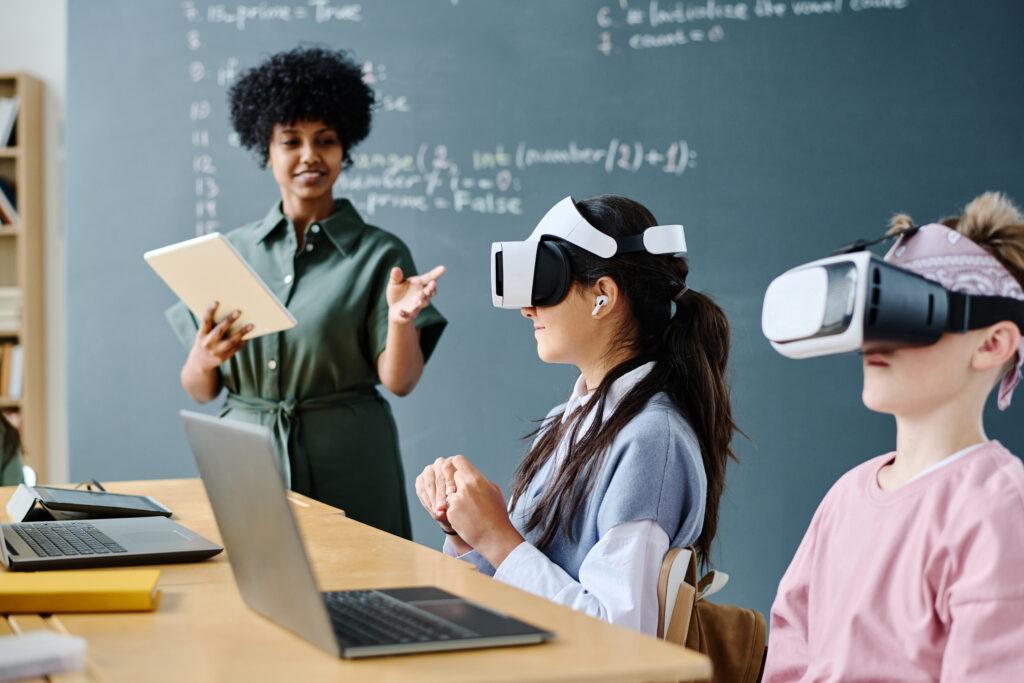
EdTech’s Future Unveiled: Predicting the Next Big Thing in Education Technology
The realm of education technology (EdTech) is rapidly evolving, reshaping the way we teach, learn, and connect globally. As digital change accelerates, predicting the next big thing in EdTech is a hot topic for educators, institutions, and tech companies alike. This extensive guide will explore the future of EdTech, discuss game-changing innovations, real-life case studies, benefits, practical tips, and what educators can expect in the years ahead.
Table of Contents
- The Current EdTech Landscape
- Predicting the Next Big Thing in Education Technology
- Benefits of Emerging EdTech Innovations
- Practical Tips for Embracing New EdTech
- Case Studies: Innovations in Action
- Conclusion: Empowering the Future of Learning
The Current EdTech Landscape
In recent years, EdTech has transformed classrooms with learning management systems (LMS), online courses, mobile apps, and interactive tools. Popular platforms like Khan Academy, Coursera, and Google Classroom have democratized education, making it accessible and flexible for learners worldwide.
- Virtual classrooms enable seamless remote learning.
- Gamification boosts engagement and motivation.
- Artificial Intelligence in Education personalizes learning experience for students.
- EdTech for Teachers provides tools for content creation, assessment, and analytics.
As these trends shape the modern classroom, what’s on the horizon for EdTech’s next generation? Let’s explore the technologies set to redefine education.
Predicting the Next Big Thing in Education Technology
The future of EdTech lies at the intersection of AI-powered adaptive learning, virtual reality (VR), blockchain credentialing, and data-driven analytics. Here are some predictions for the next big things set to revolutionize education technology:
1. Adaptive Learning Algorithms
AI-driven adaptive learning tailors educational content to each student’s strengths, weaknesses, and pace. By analyzing real-time data, platforms can provide bespoke pathways, improving outcomes for diverse learner profiles.
- Real-time feedback and support
- Customized lesson plans
- Inclusive approaches for special needs students
2. Immersive Learning Environments: VR, AR, and XR
Virtual and augmented Reality (VR/AR) are transforming passive classrooms into interactive laboratories. Imagine students exploring ancient Rome or conducting chemistry experiments in 3D simulations with minimum risk.
- Enhanced experiential learning
- Simulations for science, history, and vocational training
- Remote collaboration in virtual spaces
3.EdTech Integrations with Blockchain
Blockchain technology is set to revolutionize credentialing and verification. Shared ledgers allow students to manage digital diplomas, certificates, and transcripts securely, streamlining admission and recruitment processes.
- Secure record-keeping
- Fraud prevention
- Easy sharing across borders and organizations
4. Data Analytics and AI Tutors
Advanced learning analytics help educators monitor progress, identify gaps, and make informed teaching decisions. AI-powered tutors offer round-the-clock assistance, breaking conventional classroom time barriers.
- Predictive analytics for dropout prevention
- Automated grading and feedback
- Personalized content recommendations
5. The Rise of EdTech Ecosystems
Modern education will be backed by robust EdTech ecosystems—interconnected platforms for lesson planning, assessment, career guidance, and lifelong learning. Seamless integration across tools empowers educators and students.
Benefits of Emerging EdTech Innovations
Embracing the next wave of education technology promises meaningful advantages for students, educators, and institutions:
- Equitable Access: breaking geographical and financial barriers for underprivileged communities.
- Personalized Learning: Tailoring curricula to individual needs and interests.
- Efficiency and Automation: Reducing administrative burden for teachers and staff.
- Inclusivity: Supporting diverse learner populations, including those with disabilities or learning challenges.
- Career Readiness: Fostering future-ready skills such as digital literacy, critical thinking, and collaboration.
- Real-Time Progress Tracking: empowering students to self-monitor and adjust their learning paths.
Practical Tips for Embracing New EdTech
Whether you’re a teacher, school administrator, student, or EdTech enthusiast, consider these best practices to stay ahead in the digital learning curve:
- Stay Updated: Follow EdTech news, attend webinars, and join professional learning communities.
- Pilot New Tools: Test emerging platforms with small groups before campus-wide implementation.
- Invest in Training: Offer ongoing professional development for staff to master new technologies.
- Gather Feedback: Involve students and teachers in evaluating tool effectiveness.
- Focus on Accessibility: Choose EdTech solutions that meet universal design standards and support diverse needs.
- Prioritize Data privacy: Select platforms with robust security and compliance features.
- Promote Blended Learning: Mix face-to-face instruction with digital components for optimal engagement.
Case Studies: Innovations in Action
Stanford University’s AI-Powered Adaptive Courses
Stanford leveraged adaptive learning algorithms to personalize courses for engineering students. as a result, dropout rates decreased by 30%, and mastery scores improved by 20%.
VR Labs in British Secondary Schools
over 200 schools implemented VR labs for science classes, allowing students to conduct experiments virtually. Teachers reported a 50% boost in student engagement and confidence.
Blockchain-Based Credentialing in India
The National Skill Development Corporation adopted blockchain for digital certificates. This streamlined the job recruitment process and reduced fraud by 65% in the first year.
First-Hand Experience: EdTech in the Classroom
As a high-school science teacher, I witnessed firsthand how immersive VR simulations improved understanding and participation.Students with ADHD thrived as adaptive platforms provided personalized pacing—proving that future EdTech innovations can cater to every learner’s unique needs.
One student expressed, “I never imagined chemistry could be this exciting! The VR lab made all the difference for me.”
Conclusion: Empowering the Future of Learning
The next big thing in education technology will fundamentally change how we learn, teach, and connect. By harnessing AI-powered adaptive platforms, immersive VR environments, blockchain credentials, and robust EdTech ecosystems, educators and institutions can unlock unprecedented opportunities for all.
EdTech’s future is not just about digital transformation—it’s about empowering learners and educators to flourish in a rapidly evolving world. As you prepare for this new era,stay curious,open-minded,and ready to embrace innovations that will shape tomorrow’s classrooms.
Are you ready for the EdTech revolution?