
Education Data Scientist: Key Roles, Skills, and Career Path Explained
Are you passionate about transforming the education sector through technology and data-driven insights? The role of an Education Data Scientist is rapidly gaining prominence in universities, colleges, and schools worldwide. This career combines expertise in data analysis, educational theory, and technology to drive measurable improvements in learning outcomes. if you are considering a job as an Education Data Scientist, this comprehensive guide will walk you through key responsibilities, required skills, career prospects, and practical advice to land your dream job in the vibrant field of education technology.
What Is an Education Data Scientist?
An Education Data Scientist is a professional who leverages data analytics, machine learning, and statistical modeling to solve complex problems in the education sector. Whether working at schools, colleges, or universities, these data experts help institutions:
- Enhance student learning experiences
- Improve administrative efficiencies
- Personalize educational pathways
- Measure the effectiveness of teaching methods
- Inform policy decisions through actionable insights
Education Data Scientists serve as a critical bridge between academic goals and technological innovations, using data as a strategic asset.
key Roles and Responsibilities of Education Data Scientists
The daily responsibilities for an Education Data Scientist may vary slightly depending on the institution, but generally include:
1. Data Collection and cleaning
- Gathering data from diverse sources such as student records, learning management systems, assessments, and digital platforms
- Ensuring data accuracy, consistency, and completeness
- Developing processes to manage large datasets securely and ethically
2. Analysis and Interpretation
- Performing statistical analyses and applying machine learning to discover patterns and trends
- generating actionable reports for educators and administrators
- Interpreting results to drive instructional and organizational decision-making
3. Predictive Modeling
- Building predictive algorithms to forecast student performance, retention rates, and learning outcomes
- Modeling risk factors for academic failure and dropouts
4. Data Visualization
- Creating interactive dashboards and visualizations for stakeholders
- Making complex data insights easy to understand for non-technical users
5. collaboration and Communication
- Working closely with teachers,administrators,IT teams,and researchers
- Clearly communicating findings and recommendations
- Participating in interdisciplinary projects to advance educational goals
Essential Skills Required for Education Data Scientist Jobs
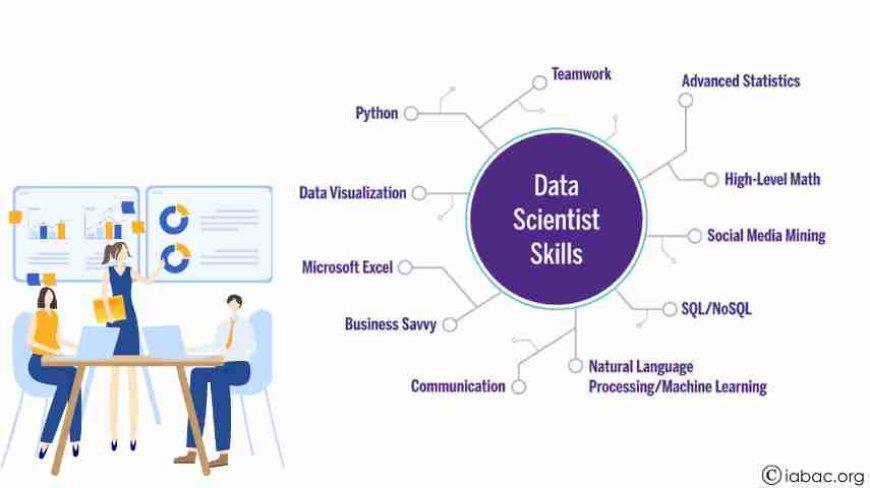
Universities,colleges,and schools seek Education Data Scientists with a core set of technical and soft skills. Here are the most sought-after competencies for a prosperous career in education technology:
Technical Skills
- Statistical Analysis: proficiency with statistical techniques and platforms such as R, python, or SPSS
- Machine Learning: Experience designing and implementing predictive models
- Data Management: Knowledge of databases (SQL), data warehousing, and data cleaning processes
- Data Visualization: Familiarity with visualization tools such as tableau, Power BI, or matplotlib
- Programming Skills: Programming in Python, R, or similar languages is highly sought after
- educational Technology Platforms: Understanding of LMS (e.g., Moodle, Canvas) and student data systems
Soft Skills
- Communication: Ability to convey complex concepts in simple language to diverse audiences
- Problem-Solving: Innovative approaches to address educational challenges
- Collaboration: Working in cross-functional teams with educators, IT staff, and administrators
- Ethical Judgment: Handling sensitive educational data responsibly
- attention to Detail: Accuracy in data analysis and reporting
Benefits of Working as an Education Data Scientist
Pursuing a data science career in education technology offers a unique blend of rewards and opportunities:
- Meaningful Work: Contribute directly to improving education, student outcomes, and equity
- Interdisciplinary Exposure: Engage with educators, researchers, administrators, and technology teams
- Continuous Learning: Stay at the forefront of data science and education trends
- Job Security: Growing demand for EdTech professionals in academia and K-12 schools
- Impactful innovations: Shape the digital conversion of educational institutions
- Diverse Career Options: Transition into policy analysis, educational consulting, research, or software development
Education and Qualifications
Most Education Data Scientist positions require advanced credentials. Here’s what you typically need:
- Bachelor’s Degree: In statistics, computer science, mathematics, education, or a related discipline
- Master’s or Doctorate (Preferred): Specialized in data science, educational technology, learning analytics, or a quantitative field
- Certifications: Professional certificates in data analytics, machine learning, or EdTech platforms can boost your profile
- Portfolio: Real-world data science projects, academic research, or contributions to educational tools
Typical Career Path for Education Data Scientists
The journey to becoming an Education Data Scientist in colleges, universities, or schools often progresses as follows:
- Entry-Level Data Analyst: Gain foundational experience with educational data projects, analytics, and reporting
- Education Data Scientist: Advance to building models, designing analytics systems, and collaborating on research and intervention programs
- Senior Data Scientist or EdTech Specialist: Lead interdisciplinary teams, oversee larger projects, and contribute to policy decisions
- Directorial Roles: Pursue leadership positions like Director of Learning Analytics, Head of Data Science, or Chief Data Officer for academic institutions
- Consultant/Advisor: Become a specialist providing strategic insights for schools or government education agencies
Sideways moves are also common, transferring skills into roles such as curriculum designer, educational researcher, technology policy analyst, or instructional designer.
Practical Tips for Landing a Job as an Education Data Scientist
If you are ready to pursue a career in EdTech data science, these actionable tips will help you stand out among other job seekers:
- Build a Professional Network: Attend academic conferences, participate in online forums, and join EdTech communities
- Gain Hands-On Experience: Volunteer with educational research projects or freelance in school districts to showcase your data skills
- Create a Portfolio Website: Display your real-world educational data projects or interactive dashboards
- Stay Updated: Keep track of emerging technologies, teaching models, and data privacy regulations
- seek Mentorship: Connect with experienced Education data Scientists for career guidance
- Highlight Transferable skills: Emphasize project management, pedagogy knowledge, and cross-functional teamwork on your resume
Conclusion: Is Education data Science the Right Career for You?
Education Data Scientists are shaping the future of learning in schools, universities, and colleges. With the expanding role of data and technology in education, these professionals are in high demand, providing crucial insights that drive innovation and enhance student achievement. If you are passionate about both data science and educational change, this dynamic and rewarding career path offers the possibility to make a lasting, positive impact. Invest in developing the right skills, certifications, and connections to unlock doors in the world of education technology and join an exciting new wave of EdTech professionals.
Start your journey today and help create smarter, data-driven educational environments for generations to come!