
Education Data Scientist: Key Skills, Job Roles, and Career Opportunities Explained
If you’re passionate about the impact of technology and data on learning, pursuing a career as an Education Data Scientist at universities, colleges, or schools might be the perfect fit for you.Education data science is a rapidly growing field that leverages advanced data analysis to enhance teaching, personalize learning, and improve educational outcomes. Whether you’re already in education or transitioning from another data-driven industry, understanding the essential skills, job roles, and career opportunities in this EdTech role will help you start or advance yoru journey.
What is an Education Data scientist?
An Education Data Scientist is a professional who applies data science techniques to the field of education. They work at universities, colleges, schools, or EdTech companies to analyse educational data, develop predictive models, and generate actionable insights. By using large sets of data collected from student facts systems, learning management platforms, and other digital tools, they help educators and administrators make informed decisions that drive academic success. The rise of digital learning platforms ensures that education data scientists now play a central role in shaping modern teaching and learning strategies.
Core Responsibilities of an education Data Scientist
The typical responsibilities for an Education Data Scientist in higher education or K-12 settings include:
- Data Collection and Cleaning: Gathering data from multiple sources like student records, online assessments, and feedback forms. Ensuring datasets are accurate, consistent, and ready for analysis.
- Statistical Analysis: Using statistical models and machine learning algorithms to identify trends, predict student performance, and uncover learning patterns.
- Dashboard and Report Development: designing interactive dashboards and reports for educators and administrators, making complex data accessible and actionable.
- Predictive Analytics: Forecasting student outcomes, dropout risks, enrollment trends, and course effectiveness to inform policy and intervention strategies.
- Collaboration: Working closely with educators, IT staff, and education leaders to understand their needs and translate data insights into measurable actions.
- Research and Evaluation: Conducting studies to evaluate pedagogical approaches,curriculum changes,and new technologies,ensuring continuous improvement of educational processes.
Key Skills Required for Education Data Scientist Roles
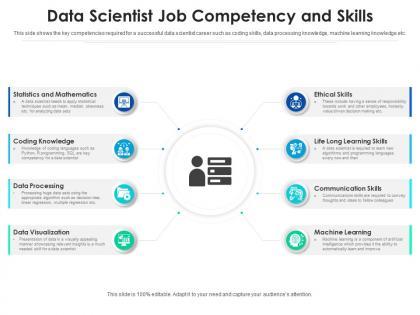
To succeed as an Education Data Scientist in schools, universities, or EdTech organizations, you’ll need a unique mix of technical, analytical, and dialog skills. Here are the most in-demand competencies:
Technical Skills
- Programming Languages: Proficiency in Python or R for data processing and analysis.
- Database Management: Experience with SQL and managing educational databases.
- Machine Learning: Understanding of classification, regression, clustering, and advice algorithms relevant to education.
- Data Visualization: expertise with tools like Tableau, Power BI, or Matplotlib for presenting findings.
- Big Data Tools: Familiarity with Hadoop, Spark, or cloud-based analytics platforms.
Analytical and Educational Skills
- Statistical Analysis: Ability to conduct hypothesis testing, A/B testing, and inferential statistics in educational contexts.
- Knowledge of Educational Systems: Understanding student assessment,learning outcomes,and pedagogy.
- Problem-Solving: Translating broad educational questions into specific data-driven projects.
Soft Skills
- Communication: Explaining technical findings in simple, actionable terms for non-technical stakeholders.
- Collaboration: Building strong relationships across academic, administrative, and technical teams.
- Project Management: Delivering insights and tools on time and within scope.
Typical Job Roles and Career Paths in Education Data Science
The Education Data Scientist role opens various career avenues across universities, colleges, schools, and EdTech companies. Here are some common titles and growth paths in the sector:
- Education Data Analyst: Entry-level position focusing on basic data cleaning and reporting.
- Education Data Scientist: The core role, handling end-to-end data modeling, analytics, and communication of insights.
- Learning Analytics Specialist: Specialist role focusing on the analysis of digital learning patterns and adaptive learning systems.
- Assessment Data Scientist: Works with psychometric analysis and student assessment data to improve exam design and evaluation.
- EdTech Solutions Architect: Designs and implements data-driven educational technologies, bridging data science and software engineering.
- Director of Institutional Research: Senior leadership role managing all data science activities in an academic institution.
Progression typically starts from data analyst positions, evolving into senior data scientist, team lead, or managerial roles over time, especially with continued education and demonstrated impact.
Benefits of Working as an Education Data Scientist
Being an Education Data Scientist is not just a rewarding career—it also offers a range of unique benefits, especially for those who want to make a difference in the world of learning:
- impactful Work: Directly contribute to student success, equity initiatives, and institutional effectiveness.
- Job Security: Demand for educational data science professionals is growing as institutions innovate with digital learning solutions.
- Intellectual Challenge: Solve complex, real-world problems that require both technical rigor and creativity.
- Opportunities for Growth: Access to cross-functional projects, research opportunities, and leadership paths.
- Flexible Working Options: Remote and hybrid positions are increasingly available, especially within EdTech startups and online universities.
Where Education Data Scientists Work
education data scientists can find opportunities in a wide array of settings, including:
- Universities and Colleges: supporting academic research, enrollment management, and curriculum development.
- K-12 School Systems: Improving personalized instruction, early warning systems, and resource allocation.
- EdTech Companies: Shaping the design of learning analytics platforms,adaptive learning modules,and student engagement tools.
- Government Agencies: Informing educational policy and state or national assessment programs.
Along with the diversity of settings, these roles may also be part of special research initiatives, digital conversion projects, or cross-institutional collaborations.
Education and qualifications for Aspiring Education Data Scientists
The path to becoming an Education Data Scientist typically includes:
- Bachelor’s Degree: In data science, statistics, computer science, education, or a related field.
- Master’s Degree (Preferred): Many positions, especially at universities, prefer or require advanced degrees such as a Master’s in Data Science, Educational Measurement, or Learning Analytics.
- Certifications: Technical certifications in big data, machine learning, or specialized EdTech platforms add important value.
- Relevant Experience: Internships, research assistantships, or involvement in educational projects.
Practical Tips for Landing Your First Education Data Scientist job
Starting your journey as an Education Data Scientist? Here’s how to increase your chances of landing your ideal role:
- Build a Relevant Portfolio: Showcase personal or academic projects in education data analysis, learning analytics, or student outcome prediction on platforms like GitHub.
- Network with professionals: Join online education data science forums and attend EdTech conferences or university seminars.
- Master EdTech Tools: Gain hands-on experience with learning management systems (LMS), student information systems (SIS), and analytics software widely used in academia.
- Pursue Internships: Look for internships or volunteer roles in university institutional research offices or EdTech companies.
- Stay Updated: Keep up with the latest research and trends in learning analytics, artificial intelligence in education, and educational measurement.
- Highlight Soft Skills: Academic hiring managers value professionals who can communicate complex concepts to educators and administrators effectively.
Conclusion: Shaping the Future of Education with Data Science
The future of learning relies increasingly on Education Data Scientists to transform vast and complex datasets into meaningful action.this career not only offers technical and intellectual fulfillment but also the chance to leave a lasting, positive impact on educational institutions and society as a whole. If you are analytical,technology-savvy,and passionate about education,now is the perfect time to explore a dynamic career path as an education data scientist in universities,colleges,or schools. Start building your skills,expand your network,and prepare to be at the forefront of the EdTech transformation.