
Education Data Scientist: Key Skills, roles, and Career Opportunities in EdTech
Are you passionate about education and data analysis? Do you envision a career where technology, innovation, and learning intersect? The role of an Education Data Scientist in EdTech at universities, colleges, or schools is one of the most exhilarating and impactful paths available in today’s education landscape. As educational institutions continue to adopt digital platforms and data-driven methods, the demand for skilled data scientists specializing in educational technology is rising rapidly. In this article, we’ll dive into what it takes to become an Education Data Scientist, including core skills, daily responsibilities, potential career paths, and practical tips to make your mark in EdTech.
What is an Education Data Scientist?
An Education Data Scientist is a professional who uses statistical, analytical, and machine learning techniques to interpret and solve complex problems within the realm of education. They work with data from a range of education technology platforms and learning management systems to enhance teaching methods, improve student outcomes, and optimize institutional efficiency. Education Data Scientists play a pivotal role in bridging data science and pedagogy by transforming raw data into actionable insights that can guide decision-making at universities, colleges, and schools.
Key Skills Required for Education Data Scientists in EdTech
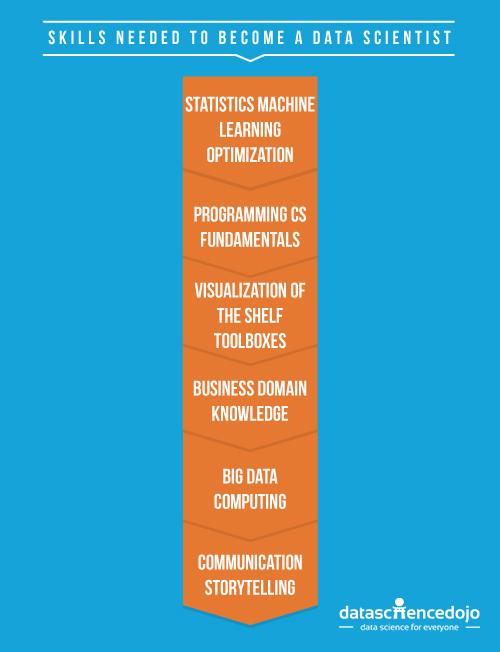
To thrive as an Education data Scientist, certain technical and interpersonal skills are paramount. Here’s an overview of the competencies you’ll need to succeed:
- Statistical Analysis: Deep knowledge of statistics, probability, and data modeling is essential to interpret complex educational data sets.
- Programming Languages: Proficiency in languages such as Python, R, or SQL for data cleaning, analysis, and visualization.
- Machine Learning: Experience with machine learning algorithms, including supervised and unsupervised techniques, to build predictive models for student performance or engagement.
- Data Visualization: Ability to visualize trends and findings using tools like Tableau, Power BI, or Matplotlib, making complex data understandable to education stakeholders.
- Big data Technologies: Familiarity with cloud platforms, data lakes, and distributed computing for handling large volumes of educational data.
- Domain Knowledge in Education: Understanding of educational theories, learning analytics, and assessment methods enhances the relevance of your analysis.
- Research Skills: Capability to conduct experimental design, A/B testing, and critical evaluation of educational interventions.
- Dialog & Storytelling: Excellent written and verbal communication to present findings to teachers, administrators, or policymakers in an actionable manner.
- Ethics & Privacy Awareness: Knowledge of data privacy regulations such as FERPA and ethical considerations in educational data science.
Key Roles and responsibilities of an Education Data Scientist
Education Data Scientists work on diverse projects within universities, colleges, and K-12 schools, leveraging educational data to foster institutional success. typical roles and responsibilities include:
- Data Collection & Integration: Gathering and cleaning data from various sources such as student information systems, assessment platforms, and learning management systems.
- Predictive Modeling: Developing models to predict student outcomes (e.g., likelihood of success, risk of dropout) and inform intervention strategies.
- Learning Analytics: Analyzing learner engagement, patterns in course activity, and resource usage to improve curriculum and instructional design.
- Personalized Learning: Designing algorithms to recommend tailored learning paths, resources, and feedback based on individual student needs.
- Reporting & Dashboards: Creating interactive dashboards and reports for educators and administrators to monitor performance and identify trends.
- Assessment and Evaluation: Evaluating the effectiveness of educational programs, technology adoption, and pedagogical changes using empirical data.
- Policy Support: Working with institutional leadership to provide data-driven support for strategic planning and policy-making.
Career Opportunities for Education Data Scientists in EdTech
The explosion of EdTech in higher education and K-12 schools has created a wealth of career opportunities for data scientists.Whether working within an academic institution, a research centre, or an EdTech company, the career outlook is bright. Here are some common career paths:
- university or College Data Scientist: Collaborate with institutional research, student affairs, and academic departments to drive data-informed initiatives.
- K-12 Education Data Analyst: Support schools or districts in analyzing student achievement, optimizing interventions, and shaping educational policies.
- EdTech Company Data Scientist: Help design and improve educational software, adaptive learning platforms, or analytics products.
- Learning Analytics Specialist: Focus on leveraging student engagement metrics and online learning interactions to enhance digital curriculum efficacy.
- Educational Policy Advisor: Advocate for data-driven reforms in educational systems at local, regional, or national levels.
- Research Scientist in Education Technology: Conduct ground-breaking research in learning technologies, artificial intelligence in education, or educational psychology.
Benefits of working as an Education Data Scientist in EdTech
Pursuing a career as an Education Data Scientist brings numerous advantages, including:
- Impactful Work: Directly influence teaching quality, student engagement, and institutional effectiveness through evidence-based improvements.
- Continuous Learning: Stay at the forefront of both data science and educational innovation, with ongoing opportunities for professional growth.
- Job Security & Demand: With the proliferation of digital learning, demand for education data specialists continues to grow.
- Collaborative Habitat: Work alongside educators, technologists, and administrators, fostering interdisciplinary creativity.
- Flexibility: Roles are available in academic institutions, private EdTech firms, consultancy, and remote/flexible settings.
Practical Tips for Landing an Education data Scientist Job in EdTech
If you’re excited to start or advance your career as an Education Data Scientist, consider the following practical tips:
1.Build a Strong Foundation in Both Education and Data Science
- Pursue a degree in data science, statistics, computer science, or a related discipline, along with coursework or certification in education, learning sciences, or instructional technology.
- Stay updated with latest EdTech trends and learning analytics research.
2. Develop a Robust Portfolio
- Showcase projects involving educational datasets or real-world problems.
- Publish case studies, data visualizations, or open-source projects on platforms like GitHub or Kaggle.
3. Gain Relevant Experience
- Seek internships, research assistantships, or contract roles in universities, school districts, or EdTech companies.
- Collaborate with educators and administrators to understand their data needs and challenges.
4. Network in the EdTech Community
- Attend conferences, webinars, and industry meetups related to educational technology and data science.
- Engage with professional associations and online forums to keep abreast of emerging practices and opportunities.
5. Cultivate Soft Skills
- Work on communication and presentation skills to translate data insights for non-technical audiences.
- Develop empathy for teachers and students to ensure your models and analyses are practical and ethical.
Conclusion: Shaping the Future of Learning with Data Science
Becoming an education Data Scientist in EdTech is a fulfilling and forward-thinking career path. By combining expertise in analytics, education, and technology, you’ll play a critical role in transforming how educators use data to improve student outcomes and institutional success. With the right mix of skills, knowledge, and passion, you can contribute meaningfully to the evolution of teaching and learning in today’s digital world.Start preparing now and take confident steps toward a dynamic career in educational data science—where your work has the power to shape the future of education.