
Education Data Scientist: Skills, Roles, and Career Path Guide
Are you passionate about leveraging data to improve learning outcomes? As education technology (EdTech) evolves, teh demand for skilled Education Data Scientists at universities, colleges, and schools is growing rapidly. In this comprehensive guide, we’ll explore what it takes to launch a rewarding career as an education data scientist, including key responsibilities, essential skills, benefits, career outlook, and practical tips for job seekers in the EdTech field.
What is an Education Data Scientist?
An Education Data Scientist is a specialist who analyzes and interprets data generated within educational institutions. By using advanced data analytics, machine learning, and statistical modeling, these professionals help schools, colleges, and universities make data-driven decisions that enhance student performance, streamline operations, and personalize learning experiences.
Why Education Data Science is Vital in EdTech
With the massive influx of digital tools and e-learning platforms, universities and schools are collecting more data than ever before. This includes student performance metrics, behavioral patterns, engagement statistics, and administrative data. education data scientists help transform these raw numbers into actionable insights, which can lead to:
- Improved curriculum and instructional design
- Early identification of at-risk students
- Personalized learning strategies
- Streamlining administrative processes
- Enhanced institutional effectiveness and retention rates
Core roles and Responsibilities of an Education Data Scientist
The role of an education data scientist is dynamic and multi-faceted. while specific tasks may vary depending on the institution’s needs, common responsibilities typically include:
- Data Collection & Cleaning: Gathering datasets from various sources (e.g., LMS, student records) and preparing them for analysis.
- Statistical Analysis: applying statistical methods to uncover trends, patterns, and correlations in education data.
- Machine Learning & Predictive Modeling: Designing and implementing models to predict student outcomes or recommend interventions.
- Data Visualization: Creating intuitive dashboards and reports to communicate findings to educators and decision-makers.
- Collaboration: Working with faculty, IT staff, and administrators to understand data needs and ensure actionable insights.
- Data Privacy & Ethics: Ensuring compliance with FERPA and institutional data privacy policies.
Essential Skills for an Education Data Scientist
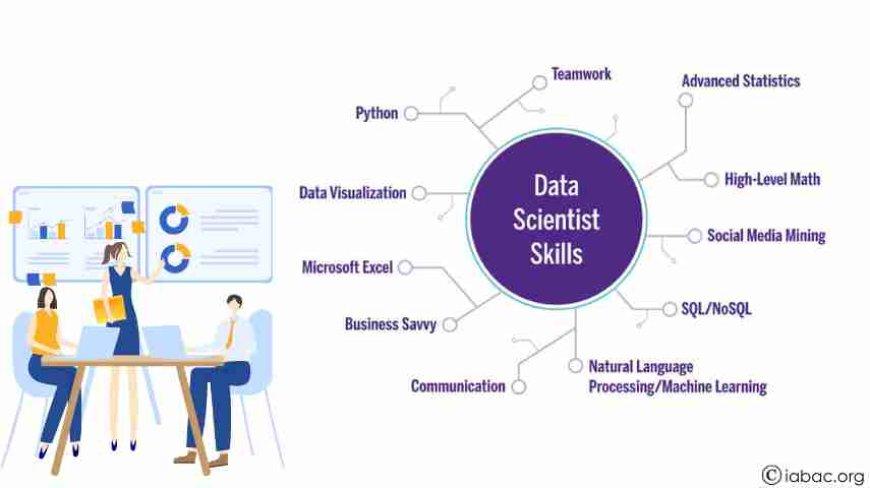
To succeed as an education data scientist in universities, colleges, or schools, you will need a blend of technical, analytical, and soft skills. Here are the top skills employers typically seek:
Technical Skills
- Programming Languages: Proficiency in Python or R for data analysis and modeling.
- Statistics & Mathematics: In-depth understanding of statistical tests, probability, and linear algebra.
- Machine Learning: familiarity with supervised and unsupervised algorithms for predictive analytics.
- Data Wrangling & Cleaning: Ability to preprocess raw educational data for analysis.
- Data Visualization: Experience with libraries/tools like tableau, Power BI, Matplotlib, or Seaborn.
- Database Management: Knowledge of SQL and experience with large, complex databases.
Domain-Specific Knowledge
- Understanding of educational systems, instructional methods, and assessment models.
- Awareness of student privacy laws (e.g., FERPA in the United States).
Soft Skills
- Communication: Explaining complex technical findings in clear, actionable terms to non-technical stakeholders.
- Critical Thinking: Identifying key trends and asking the right questions to solve educational challenges.
- Collaboration: Effectively partnering with educators, policy makers, and IT teams.
- Problem-Solving: developing solutions to enhance learning outcomes using data insights.
Educational Background and Qualifications
While requirements can vary by role and institution, moast education data scientist positions require:
- A bachelor’s degree in a quantitative field (e.g., data science, statistics, mathematics, computer science)
- Advanced degrees (master’s or Ph.D.) can be highly desirable, especially for research-focused universities
- Relevant certifications (e.g., Google Data Analytics, Microsoft data Science) can boost your profile
- Experience in the educational sector or with EdTech tools is an advantage
Typical Employers and Work Environments
As an education data scientist, you can find employment in a variety of settings, such as:
- Universities and colleges (academic research, institutional research, admissions analytics)
- K-12 schools and school districts (student performance analysis, curriculum betterment)
- Educational technology companies developing analytical tools or platforms
- Government agencies and non-profits focused on educational policy and advancement
Career Path and Advancement Opportunities
A career as an education data scientist offers diverse pathways for growth, both within and outside educational institutions. Possible career progressions include:
- Senior Data Scientist: Leading complex projects and mentoring junior analysts.
- Data Science Manager or Director: Overseeing data analysis teams and strategy.
- Chief Data officer (CDO): Shaping institutional data governance and analytics policies.
- Educational Researcher: Conducting advanced, large-scale studies on learning outcomes.
- Transition to EdTech industry: Developing or managing analytics products for schools and universities.
Benefits of a Career in Education Data Science
Choosing to become an education data scientist offers a range of rewarding benefits, such as:
- Meaningful Impact: Directly contributing to improved learning experiences and student success.
- job Security: Growing demand for data-driven decision making in education ensures long-term career stability.
- Innovation: Opportunity to innovate and steer educational strategies using the latest data technologies.
- Collaboration: Work within interdisciplinary teams and foster relationships with educators and administrators.
- Personal Growth: Continuously learning and adapting as the edtech landscape evolves.
Practical Tips for Aspiring Education Data Scientists
- Build a Strong Portfolio: Showcase your data projects, dashboards, and analyses—especially those relevant to education technology.
- Gain Hands-on experience: Volunteer for university research, participate in EdTech hackathons, or contribute to open-source education data projects.
- Network with Peers: Attend educational data science conferences, webinars, and local meetups to expand your professional connections.
- Stay Updated: Follow the latest trends in education analytics, adaptive learning, and ethical AI implementation in schools.
- tailor Your Application: Highlight your analytical skills, educational knowledge, and relevant achievements in your resume and cover letter.
How to Apply for Education Data Scientist Jobs
Most universities, colleges, and K-12 schools advertise education data scientist jobs on their career portals or through specialized EdTech job boards.When applying, be prepared to:
- Submit a tailored resume illustrating your data analytics and education experience
- Provide a portfolio or code samples
- Discuss your experience with educational datasets and understanding of privacy regulations
- Demonstrate strong communication and presentation skills in interviews
Future Outlook for Data science Careers in Education
The field of education data science is poised for significant growth. As educational institutions continue to embrace digital conversion, they need skilled professionals to drive analytics, machine learning, and evidence-based decision making. The continued integration of artificial intelligence in EdTech will only increase the demand for specialists who can bridge the gap between technology and pedagogy.
Conclusion
A career as an education data scientist offers a unique blend of purpose and innovation. By harnessing data to solve real-world educational challenges, you play a vital role in shaping the future of learning. If you’re keen on analytics, passionate about education, and ready for a dynamic, impactful career in EdTech, now is the perfect time to pursue job opportunities in this exciting field. Armed with the skills, knowledge, and advice shared in this guide, you’ll be well on your way to making a difference as an education data scientist in universities, colleges, and schools.