
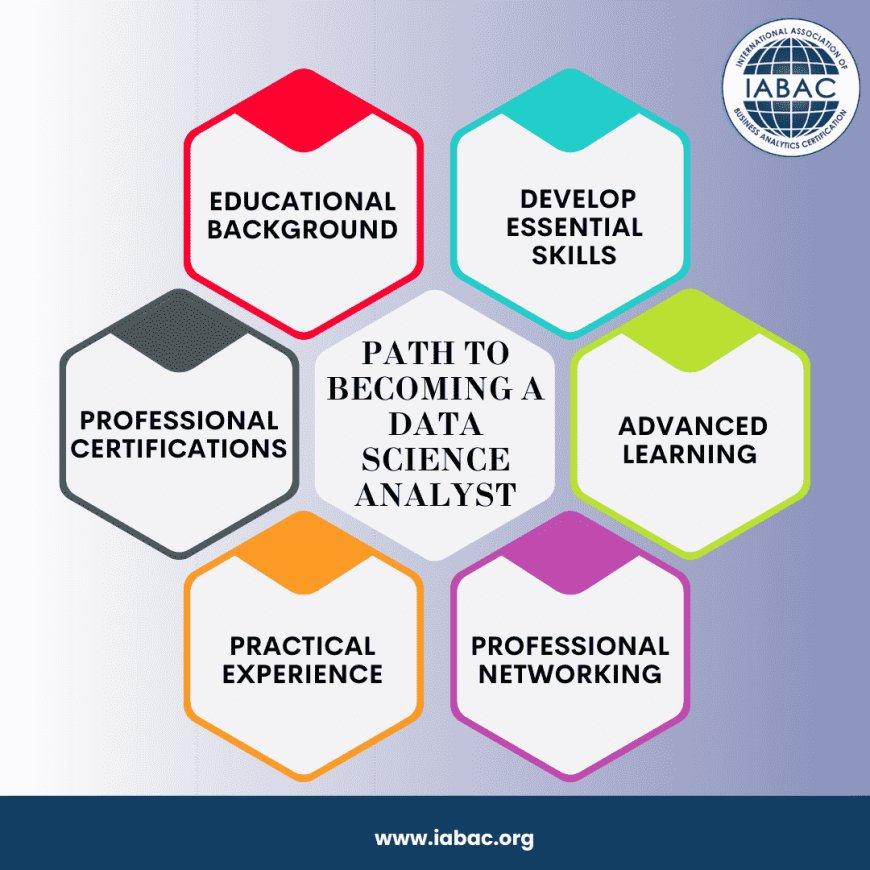
Educational Research Analyst: Key Roles,Skills,and Career Insights for Success
Are you passionate about education technology and eager to make a critically important impact on teaching and learning in schools,colleges,or universities? The role of an Educational Research Analyst might be perfect for you. As EdTech continues to evolve, institutions rely heavily on research analysts to interpret data, assess the effectiveness of educational tools, and drive informed decisions. In this extensive guide, we’ll delve into what it means to be an Educational Research Analyst, explore critical roles and responsibilities, essential skills, unique benefits, and provide practical tips for developing a rewarding career in this growing field.
What is an Educational Research Analyst?
An Educational Research Analyst is a professional dedicated to collecting, analyzing, and interpreting data related to education systems and technology. By evaluating instructional methods, assessing learning outcomes, and measuring the implementation of EdTech solutions, these analysts help universities, colleges, and schools enhance teaching effectiveness and improve student learning experiences.Educational Research Analysts work closely with educators, administrators, and technology vendors to align research findings with strategic goals of the institution.
Key Roles and Responsibilities
Educational Research analysts hold critical roles in ensuring data-driven decision-making within educational institutions. Their primary responsibilities include:
- Conducting Research Studies: Designing and executing studies to evaluate the effectiveness of educational technologies, curriculum changes, and instructional practices.
- Data Collection and Analysis: Gathering quantitative and qualitative data from various sources such as assessments, surveys, and digital learning platforms. Analyzing this data to identify trends,gaps,and opportunities for betterment.
- Reporting and Presenting Findings: Creating comprehensive reports,visualizations,and presentations to communicate key findings to stakeholders,including school leaders,faculty,and policy makers.
- Collaborating with EdTech Teams: Working alongside instructional designers, IT specialists, and educators to ensure technology adoption aligns with research-backed best practices.
- Recommending Data-Driven Solutions: Offering actionable recommendations to enhance instructional methodologies,refine digital learning strategies,and improve student outcomes.
- Evaluating Educational Policies: Assessing the impact of institutional or governmental education policies on learning environments and suggesting improvements based on research evidence.
Essential Skills for Educational Research Analysts
To thrive in the role of an educational Research Analyst,candidates need a combination of analytical,technical,and interpersonal skills.Here are the key competencies you’ll need:
- Strong analytical Skills: Proficiency in statistical analysis, data interpretation, and critical thinking to draw meaningful conclusions from research findings.
- Research Methodology Expertise: Familiarity with both quantitative and qualitative research methods, including survey design, experimental design, and case studies.
- Technical Proficiency: Experience with data analysis tools such as SPSS, R, Python, Excel, and data visualization software (e.g., Tableau, Power BI).
- Communication Skills: Ability to articulate complex research insights clearly to both technical and non-technical audiences.
- Attention to Detail: Diligence in handling large datasets and ensuring accuracy and reliability in data management and analysis.
- project Management: Strong organizational skills to manage multiple research projects, meet deadlines, and coordinate with cross-functional teams.
- Knowledge of Educational Technology: Understanding emerging e-learning tools, digital curriculum, and educational assessment technologies is vital for context-driven research.
Educational Background and Qualifications
Most Educational Research Analyst roles require at least a bachelor’s degree in education, educational psychology, statistics, social science, or a related field. However, many positions—especially those in top universities or research-intensive settings—prefer candidates with advanced degrees such as a master’s in education, educational research, data science, or even a Ph.D. in a relevant field.
- pursue specialized training in research methodologies and advanced statistical techniques.
- Certifications in data analysis, project management, or EdTech platforms can enhance your employability.
- Relevant internships and research assistant positions during your studies are highly valued by employers.
Benefits of Becoming an educational Research Analyst
A career as an Educational Research Analyst in the EdTech sector brings a host of rewards, both professionally and personally:
- High impact: Directly influence educational policies, teaching practices, and student success through evidence-based recommendations.
- Job Stability: As educational institutions increasingly embrace EdTech, demand for research-competent professionals continues to rise.
- Professional Growth: Opportunities for advancement to leadership or specialist roles in research, assessment, or analytics departments.
- Intellectual Satisfaction: work in a stimulating surroundings where innovation, critical inquiry, and lifelong learning are celebrated.
- Collaboration and Networking: Engage with a diverse community of educators, technologists, and researchers across disciplines and institutions.
- Personal Fulfillment: Play a crucial part in shaping the future of education, one research-backed decision at a time.
Career Insights: Opportunities and Growth Pathways
The field of educational research analysis offers several promising pathways. depending on your interests and expertise, you could pursue roles such as:
- Data Analyst, Institutional Research
- Evaluation Specialist
- Assessment Coordinator
- Applied Researcher in Education
- EdTech Implementation Analyst
- education Policy Researcher
Many analysts advance to leadership positions like Director of Institutional Research or Senior Education Data Scientist. With the rapid integration of artificial intelligence and machine learning in education, research analysts with technical proficiency will be in even greater demand. Emerging trends, such as learning analytics and adaptive learning systems, are transforming how research data is applied to personalize education at scale.
Practical Tips for Landing a Job as an Educational Research Analyst
Ready to kick-start your career in education technology? Here are actionable tips to increase your chances of securing your dream job as an Educational Research Analyst:
- Develop a Strong Portfolio: Showcase previous research work, data analysis projects, or case studies relevant to educational settings. Consider publishing in academic journals or presenting at education conferences.
- Join Professional Associations: Membership in organizations like the American Educational Research Association (AERA) provides networking and career development opportunities.
- Gain Experience with EdTech Platforms: Familiarize yourself with Learning Management Systems (LMS), assessment tools, and classroom analytics solutions commonly used in schools and colleges.
- Continuous Learning: Stay up to date with the latest EdTech trends and research methodologies. Attend webinars, take online courses, and pursue certifications in research or data analytics.
- Network with Practitioners: Connect with educational researchers, faculty, and EdTech professionals on social platforms and at in-person events to learn from their experiences and discover job leads.
- Customize Your Resume: Highlight your most relevant research, analytical, and technology skills. Tailor your cover letter to demonstrate how your expertise aligns with the institution’s goals.
- Prepare for Behavioral Interviews: be ready to discuss specific research projects, your approach to data analysis, and how your findings translated into actionable outcomes for education stakeholders.
Conclusion: Inspire Positive Change through Data-Driven Education
The role of an Educational Research Analyst is both challenging and deeply rewarding. By driving data-informed decisions in educational institutions, you’ll be at the forefront of shaping future-ready learning environments. Whether analyzing the latest EdTech adoption, assessing instructional strategies, or informing education policy, your work has powerful, transformative potential.
If you are detail-oriented, passionate about research, and dedicated to advancing the quality of education through technology, this is an ideal career path to pursue. Begin building your expertise today—combine analytical acumen with your enthusiasm for education—and position yourself as an indispensable asset in the ever-evolving EdTech landscape.
Take the next step toward your future as an Educational Research Analyst and join the strive to make learning better for everyone.