
Educational Research Analyst: Key Skills, Career Path, and How to Succeed in 2024
Are you passionate about education and technology? Do you enjoy analyzing data, discovering trends, and helping shape the future of learning? If so, a career as an Educational Research Analyst in universities, colleges, or schools could be the perfect fit for you.As the field of educational technology continues to grow in 2024, the demand for skilled analysts is increasing at an unprecedented pace. this comprehensive guide will cover everything you need to know about becoming an educational research analyst, including key skills, career paths, benefits, practical tips, and strategies for success in the dynamic world of education technology.
What is an Educational Research Analyst?
An Educational Research Analyst is a professional who focuses on gathering, interpreting, and presenting data to improve educational practices, technology adoption, and student outcomes. these analysts play a critical role in educational institutions by assessing the effectiveness of pedagogical strategies, technological tools, and institutional policies. Whether working in universities, colleges, or K-12 schools, educational research analysts help decision-makers create evidence-based strategies that enhance teaching and learning experiences.
Key Responsibilities of an Educational Research Analyst
educational research analysts perform a wide variety of tasks. Their core responsibilities include:
- Data collection and analysis: Designing surveys,conducting interviews,and utilizing statistical software to gather and analyze qualitative and quantitative data.
- Reporting and Presentation: Creating clear, compelling reports and presentations that communicate research findings to stakeholders such as administrators, faculty members, and policy makers.
- Program Evaluation: Assessing the effectiveness of educational programs, interventions, and technology implementations.
- collaboration: Working closely with educators, IT specialists, and curriculum designers to align research initiatives with institutional goals.
- Staying current: Keeping up with the latest trends in educational technology and research methodologies.
- Compliance: Ensuring all research activities comply with ethical guidelines and institutional review board (IRB) standards.
key Skills for Educational Research Analysts in 2024
If you aim to excel as an educational research analyst in the ever-evolving field of education technology, developing the following key skills is essential:
1. Analytical and Critical Thinking
- Ability to process complex facts and draw actionable insights.
- Excellent problem-solving skills to address intricate educational challenges.
2. proficiency in Data Analytics Tools
- Experience with statistical software such as SPSS, R, Python, or SAS.
- Familiarity with data visualization platforms like Tableau or Power BI.
3. Strong Interaction Skills
- Ability to present findings clearly to diverse audiences, including non-technical stakeholders.
- Skilled in writing comprehensive reports and academic articles.
4. Knowledge of Educational Technology
- Staying informed about the latest edtech tools, platforms, and digital learning trends is crucial.
- Understanding how technology integrates with pedagogy and curriculum.
5. Research Methodologies
- Expertise in both quantitative and qualitative research methods.
- Experience in designing, conducting, and evaluating research projects.
6. Project Management
- Ability to manage multiple research projects concurrently.
- Skills in planning, organizing, and meeting deadlines efficiently.
Educational Path and Qualifications
To become a accomplished educational research analyst in 2024, it’s crucial to follow a robust educational and professional path:
- Bachelor’s Degree: Usually in education, psychology, statistics, or a related field.
- Master’s Degree: Strongly preferred, especially in educational research, measurement, or educational technology.
- Doctorate (ph.D. or Ed.D.): Might potentially be required for senior research roles or positions at research-intensive universities.
- Certifications: Professional certifications in statistics, data analysis, or edtech tools can enhance your credentials.
- Internships & Practical Experience: Gaining hands-on experience in educational settings or research labs is highly beneficial.
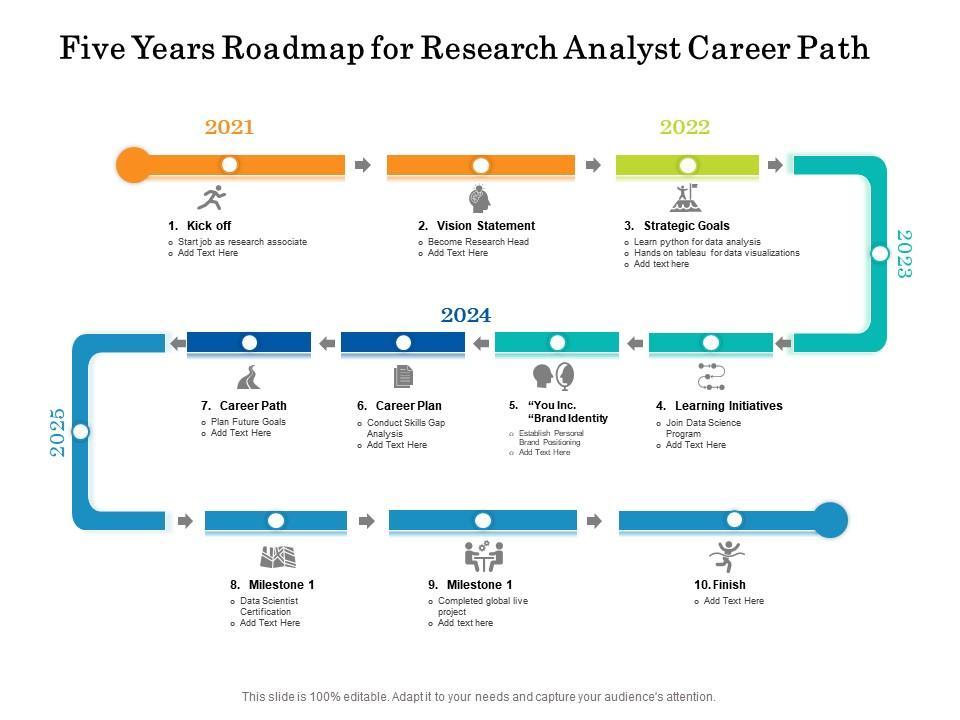
Typical Career Path for Educational Research Analysts
Here’s a typical career trajectory for education research analysts specializing in educational technology:
- Entry-Level Roles: Research Assistant, Data Analyst, or Evaluation Coordinator in schools, colleges, or education companies.
- Mid-Level Roles: Educational Research Analyst, Research Associate, or edtech Data Specialist in universities or research organizations.
- Senior/Leadership Roles: Senior Research Analyst,Educational Assessment Manager,Director of Institutional Research,or Chief Data Officer.
- Specialized Roles: EdTech Solution Analyst,Learning Analytics Lead,or Policy Analyst focusing on technology integration and digital learning insights.
Moving up the ladder involves not just seniority, but also acquiring deeper expertise in areas like data science, AI in education, or instructional design.
Benefits of a Career as an Educational Research Analyst
A career as an educational research analyst offers numerous professional and personal rewards:
- Impactful Work: shape educational policies and practices that improve outcomes for students and teachers.
- Job Security: Growing demand for data-driven decision-making in education technology ensures strong employment prospects.
- Intellectual Challenge: Engage with complex, thought-provoking problems and innovative technologies.
- Versatility: Opportunities to work in various settings—schools, universities, private education companies, and government agencies.
- Competitive Compensation: Skilled analysts command competitive salaries, with opportunities for advancement.
- Continuous Learning: Stay at the forefront of educational trends, methodologies, and technologies.
Practical Tips to Succeed as an Educational Research Analyst in 2024
Excelling in this role requires more than technical expertise. Here are actionable tips to help you thrive:
1. Stay Updated with EdTech Trends
- Regularly read industry publications, join professional associations, and attend technology and education conferences.
- Follow thought leaders in educational research and technology on social media.
2. Build a Diverse Portfolio
- Work on different types of research projects—quantitative, qualitative, small scale, and large scale.
- Showcase your work in an online portfolio or blog to highlight your analysis and communication skills.
3. Network Actively
- Engage with fellow researchers, educators, and technology professionals.
- Participate in webinars, workshops, and forums related to educational analytics or edtech.
4. Enhance Your Technical Skills
- Learn new data analysis tools, programming languages, or visualization software.
- Consider earning microcredentials or online certificates in AI, machine learning, or learning analytics.
5. Prioritize Communication and Collaboration
- Practice simplifying complex research findings for different audiences.
- Cultivate the ability to work effectively within interdisciplinary teams.
6. Seek Mentorship and Lifelong Learning
- Find mentors in the field who can provide guidance and feedback on your career progression.
- Commit to continual professional progress and never stop learning.
How to Land an Educational Research Analyst Job
Ready to get started on your path in educational technology? Here are some practical steps to boost your chances of landing a job as an educational research analyst:
- Tailor Your Resume: Highlight your expertise in research, data analysis, and education technology.
- Build linkedin Presence: Create a strong profile showcasing your research projects, certifications, and relevant skills.
- Prepare for Interviews: Be ready to discuss previous research experiences, explain methodologies, and demonstrate your passion for educational innovation.
- Volunteer or Freelance: Gain experience by contributing to educational research projects, even on a voluntary or part-time basis.
- Apply Strategically: Target universities, colleges, and schools with active education technology initiatives or research departments.
- Follow Up: After applying, engage with HR and faculty representatives to express your enthusiasm and professionalism.
conclusion: Paving your Way to Success in Educational Research
The role of the Educational Research Analyst is more exciting and essential than ever in 2024. As education technology reshapes how we teach and learn, skilled analysts are at the forefront of this conversion. By mastering the necessary skills, following a strategic career path, and applying the practical tips outlined in this guide, you’ll be well-positioned to thrive in educational technology roles at universities, colleges, or schools. Start building your expertise,broaden your professional network,and step confidently into a future where your research shapes the educational landscape. Your journey toward becoming a successful educational research analyst begins today!