
Educational Research Analyst: Key Skills, Roles, and Career Opportunities Explained
Are you passionate about harnessing data and research to improve educational outcomes? Do you want to make a meaningful difference in schools, colleges, and universities within the rapidly growing field of education technology? If so, becoming an Educational Research Analyst might be the perfect career path for you. In this thorough guide, we’ll delve into the essential skills, day-to-day roles, and exciting career opportunities available in this dynamic profession, plus share tips and insights to help you land your ideal job in education technology.
Understanding the Role of an Educational Research Analyst
An Educational Research Analyst is a specialist who collects, analyzes, and interprets data to support decision-making and continuous enhancement in educational settings. Working within universities, colleges, or schools, these professionals bridge the gap between educational goals and evidence-based strategies, driving innovation through research and technology.
Main Responsibilities
- Data Collection & Management: Gathering quantitative and qualitative data through surveys, interviews, classroom observations, and educational databases.
- Statistical Analysis: Utilizing statistical methods and software tools to interpret assessment results,student performance data,and other metrics.
- Reporting & Presentation: Communicating research findings to administrators, faculty, and other stakeholders through clear reports, presentations, and interactive dashboards.
- Program Evaluation: Measuring the impact and effectiveness of various educational programs, tools, and teaching interventions.
- Technology Integration: Recommending and testing edtech solutions that address educational challenges and support digital transformation.
- Policy Analysis: Investigating and interpreting relevant educational laws, guidelines, and institutional policies to inform decision-making.
Key Skills Required for Educational Research Analysts
Succeeding as an Educational Research Analyst in higher education or schools requires a blend of analytical expertise, technical proficiency, and strong communication skills. Here are the core competencies you’ll need:
- Research Methodology: Deep understanding of quantitative and qualitative research practices, including sampling, survey design, and experimental methods.
- Statistical Analysis: Proficiency in data analysis software such as SPSS, R, python, or SAS. Ability to interpret statistical findings and translate them into actionable insights.
- Educational Assessment: Familiarity with standardized testing, formative and summative assessments, and learning analytics tools.
- EdTech Literacy: Knowledge of top education technology platforms, data management systems, and digital learning trends.
- Critical Thinking: Ability to scrutinize sources, identify patterns, troubleshoot anomalies, and challenge assumptions.
- report Writing & Communication: Skill in creating concise reports, policy briefs, and visual data presentations for diverse audiences.
- Project management: organizational skills to manage multiple projects,timelines,and stakeholders in a fast-paced academic surroundings.
- Collaboration: Capacity to work effectively with faculty, administrators, IT professionals, and external research partners.
Career opportunities for Educational Research Analysts
The demand for Educational Research Analysts is surging in response to the increased reliance on data-driven decision-making in education.Here’s where you can apply your expertise:
A. Universities and Colleges
- Institutional Research Office: Support strategic planning, accreditation reports, and program evaluations.
- Academic Departments: Collaborate on curriculum innovations, learning analytics, and assessment projects.
- EdTech Centers: Contribute to the progress, adoption, and evaluation of digital learning tools and online instruction.
B. K-12 schools and School Districts
- Assessment Coordinator: Oversee student testing programs and analyze achievement data.
- Program Evaluator: Measure outcomes related to intervention programs, technology adoption, and instructional strategies.
- Data Analyst: Monitor attendance, graduation rates, and other key performance indicators for school improvement.
C.Education Technology Companies
- product Research: Aid in the development, user testing, and refinement of educational software and platforms.
- Customer Success: Guide clients in interpreting data from educational tools and optimizing product usage.
- Market Research: Analyze trends to inform product development and strategy in the edtech sector.
D. Research Institutes and Policy Organizations
- Policy Analyst: Study educational policies, funding models, and best practices to support advocacy and reform.
- Grant Researcher: Design studies that attract funding for innovative educational initiatives.
Benefits of a Career as an Educational Research Analyst
Choosing a career as an Educational Research Analyst unlocks a host of professional and personal rewards:
- Impactful Work: Drive improvements in teaching, learning, and student outcomes with evidence-backed strategies.
- Interdisciplinary Collaboration: Work across fields such as technology, pedagogy, and policy for a holistic approach to education reform.
- Continuous Learning: Stay up-to-date on the latest research methods, data science tools, and education technology advancements.
- Career Mobility: Transfer your expertise across K-12, higher education, edtech companies, and research organizations.
- Competitive Salary: Educational Research Analysts are highly sought after and generally enjoy above-average compensation.
Practical Tips to Launch Your Career in Education Technology
Breaking into the role of Educational Research Analyst in universities, colleges, or schools requires strategic preparation and proactive networking. Here’s how you can enhance your prospects:
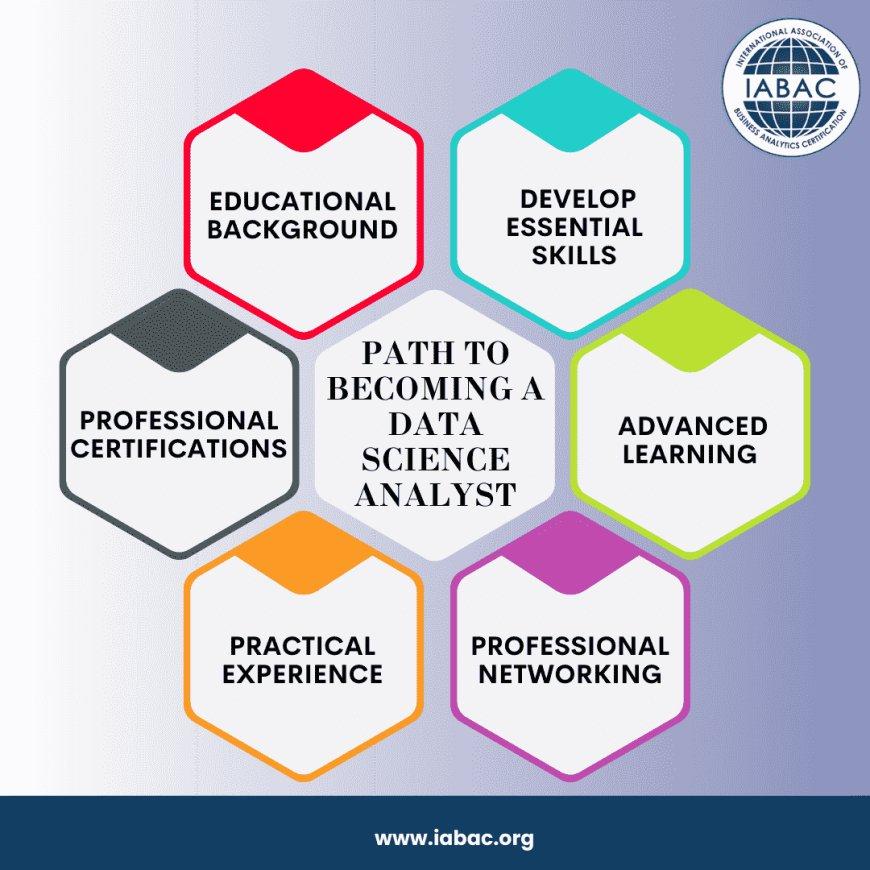
1. build Relevant Academic Credentials
- Pursue degrees in fields like Education, Psychology, Statistics, Data Science, or Educational Technology.
- Consider certification programs in research methods or specific software tools (SPSS, R, Python).
2. Gain Hands-On Experience
- Intern or volunteer in a research office,education technology company,or school district.
- Contribute to open-source edtech projects or educational research studies.
3. Develop Technical Competency
- Master statistical analysis software and data visualization tools (Tableau, power BI).
- Stay informed about the latest trends and innovations in education technology.
4. Strengthen Communication Skills
- Practise translating complex data into actionable recommendations for non-technical audiences.
- present your research at education conferences, webinars, or online communities.
5.Network and Stay Connected
- Join professional associations such as the American Educational Research Association (AERA).
- Engage with peers in education forums, LinkedIn groups, or community meetups focused on edtech.
Conclusion: Why Educational Research Analysts are Vital in Education Technology
the role of the Educational Research Analyst is central to modern education settings, driving innovation, accountability, and informed decision-making through the power of research and technology. Whether you’re working in an institutional research office at a university, supporting K-12 schools, or joining a forward-thinking edtech company, your analytical expertise will help shape the future of learning for generations to come.
If you’re excited by the prospect of combining education, data science, and technology, start building your skillset and make use of the practical tips shared above.With dedication, you can thrive in this rewarding career and make a measurable impact on educational success and transformation.