
Effective SEL Strategies for Students with Special Needs: A Comprehensive Guide
Introduction
Social and Emotional Learning (SEL) is a cornerstone of holistic education, equipping students with the vital skills they need to thrive personally and academically. When it comes to students with special needs, implementing effective SEL strategies becomes even more significant. The right approach can transform the learning experience, enhance well-being, and foster greater inclusivity. In this comprehensive guide, we explore best practices, proven techniques, and practical insights to support social and emotional learning for students with special needs.
What is SEL and Why does It Matter for Students with Special Needs?
Social and Emotional learning (SEL) is the process through which all students acquire and effectively apply knowledge, attitudes, and skills to understand and manage emotions, set positive goals, show empathy for others, and maintain healthy relationships. For students with special needs, SEL is critical as:
- It supports the progress of key social skills.
- addresses challenges related to emotional regulation.
- Helps foster independence and self-advocacy.
- Promotes inclusion and positive peer interactions.
- Minimizes behavioral issues by enhancing coping mechanisms.
Top SEL Strategies for Students with Special Needs
Implementing SEL for students with special needs requires thoughtful planning, adaptive tools, and a willingness to personalize. Here are some highly effective SEL strategies for diverse learners:
1. Incorporate Visual Supports
- Visual Schedules: Help students anticipate transitions and reduce anxiety.
- Social Stories: Teach appropriate behaviors in different scenarios through step-by-step narratives.
- Emotion Charts: Aid in identifying and verbalizing feelings.
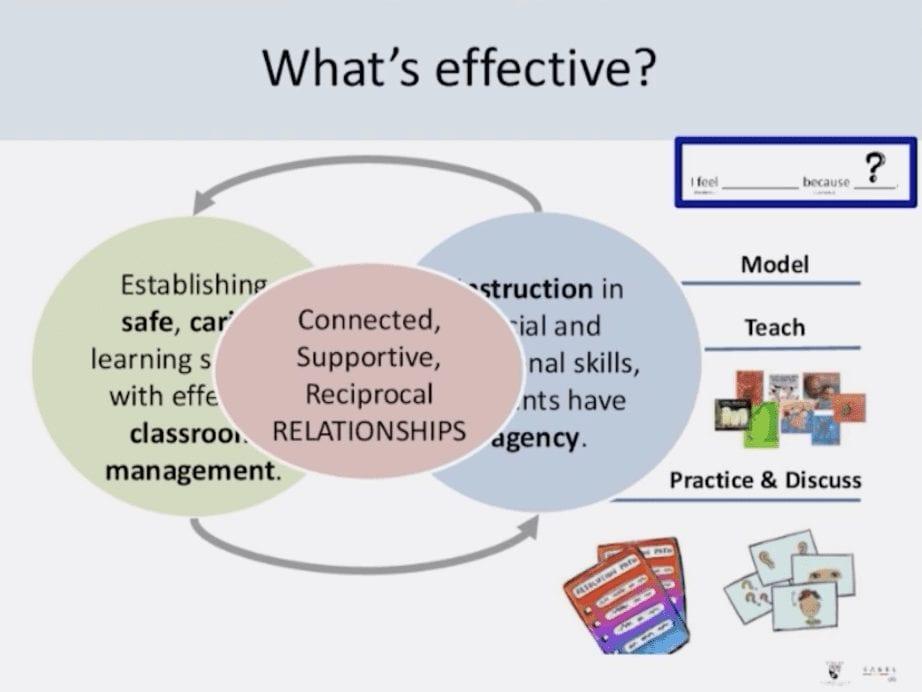
2. Use Explicit Social Skills Instruction
- Break down social behaviors into manageable steps.
- Model interactions—greetings, sharing, turn-taking—using role-play or real-life situations.
- Reinforce key concepts through repetition and positive feedback.
3. Integrate Sensory-Pleasant SEL Activities
- Offer sensory breaks with calming activities like breathing exercises or movement routines.
- Use fidgets, stress balls, or textured objects to help manage anxiety during SEL lessons.
4. Foster a Safe and Predictable Habitat
- Maintain consistent routines and clearly communicate changes.
- Create ‘quiet corners’ or safe spaces for students to decompress.
- Utilize classroom norms that encourage respect and inclusivity.
5. Encourage Peer Support and Cooperative Learning
- Facilitate buddy systems and structured group work.
- Enable peer modeling through carefully matched partners.
- Promote empathy and understanding through group discussions and friendship circles.
6. Adapt Dialog Techniques
- use AAC (Augmentative and Option Communication) for non-verbal students.
- Provide choices in communication—verbal, written, pictorial.
- Encourage expressive language through guided questions and affirmations.
Benefits of SEL Strategies for Students with Special Needs
The benefits of applying SEL strategies in special education settings extend beyond the classroom. SEL fosters growth and development in critical areas, including:
- Improved Emotional Regulation: Students learn to recognize their emotions and develop ways to cope constructively.
- Enhanced Social Skills: Increased participation in group activities, better communication, and stronger relationships with peers.
- Higher Academic Achievement: SEL skills contribute to a better learning environment and increased motivation.
- Increased Self-Confidence and Independence: SEL bolsters self-esteem and helps students advocate for their needs.
- Reduced Behavioral Challenges: Proactive SEL reduces negative incidents and promotes positive classroom culture.
Practical Tips for Implementing SEL in Special Education
- Start Small: Introduce one SEL strategy at a time and monitor progress before expanding further.
- Collaborate with Support Staff: Work closely with therapists, aides, and families for consistency and support.
- Be Flexible: Adjust your approach based on the unique learning profile and needs of each student.
- Celebrate progress: Recognize and reinforce positive behaviors,no matter how small.
- Incorporate Technology: Utilize SEL apps or interactive software tailored for students with special needs.
- Offer Choices: Providing options can empower students and encourage engagement in SEL activities.
- Utilize Data: Use ongoing observations and assessments to inform and refine your SEL interventions.
Real-World Case Study: SEL in Action
Case study: Inclusive SEL Initiative at Magnolia Elementary
Magnolia Elementary implemented a school-wide SEL program, focusing on students with Autism Spectrum disorder (ASD) and ADHD. Using visual supports, explicit social scripts, and regular “check-in” meetings, teachers reported the following results after six months:
- 25% decrease in classroom disruptions.
- Significant enhancement in peer friendships and group participation.
- Students showed higher rates of expressing needs and regulating frustration.
- parents and staff noticed increased student confidence and happiness.
This example highlights how targeted SEL strategies for students with special needs can yield measurable, lasting benefits for learners, educators, and the entire school community.
First-Hand Experience from Special Educators
“One of my students with Down syndrome thrived after we introduced emotion cards and daily morning check-ins. She became more communicative and started inviting peers to join her group, something she rarely did before.”
— Ms. Angela Rivera, Special Education Teacher
“Using interactive games that reinforce emotional vocabulary has made a world of difference in my classroom. It’s amazing to see students with varying needs sharing, cooperating, and cheering each other on!”
— Mr. David kim, Inclusive Classroom educator
resources and Tools for SEL in Special Education
- CASEL (Collaborative for Academic, Social, and Emotional Learning)
- Autism Speaks Toolkits
- Understood.org – Resources for Learning and Attention Issues
- SEL Curriculum Materials (e.g., Zones of Regulation, Second Step)
- SEL Apps: ClassDojo, Emotions Cards, Unique Learning System
Conclusion: Empower Every Learner
Nurturing social and emotional learning for students with special needs isn’t just best practice—it’s essential for equity and inclusion. effective SEL strategies empower students to better understand themselves, relate to others, and navigate the world with confidence. By embracing a flexible, student-centered approach and integrating evidence-based techniques, educators pave the way for meaningful growth. Remember, small steps can lead to significant transformations, and every learner deserves the chance to shine.