
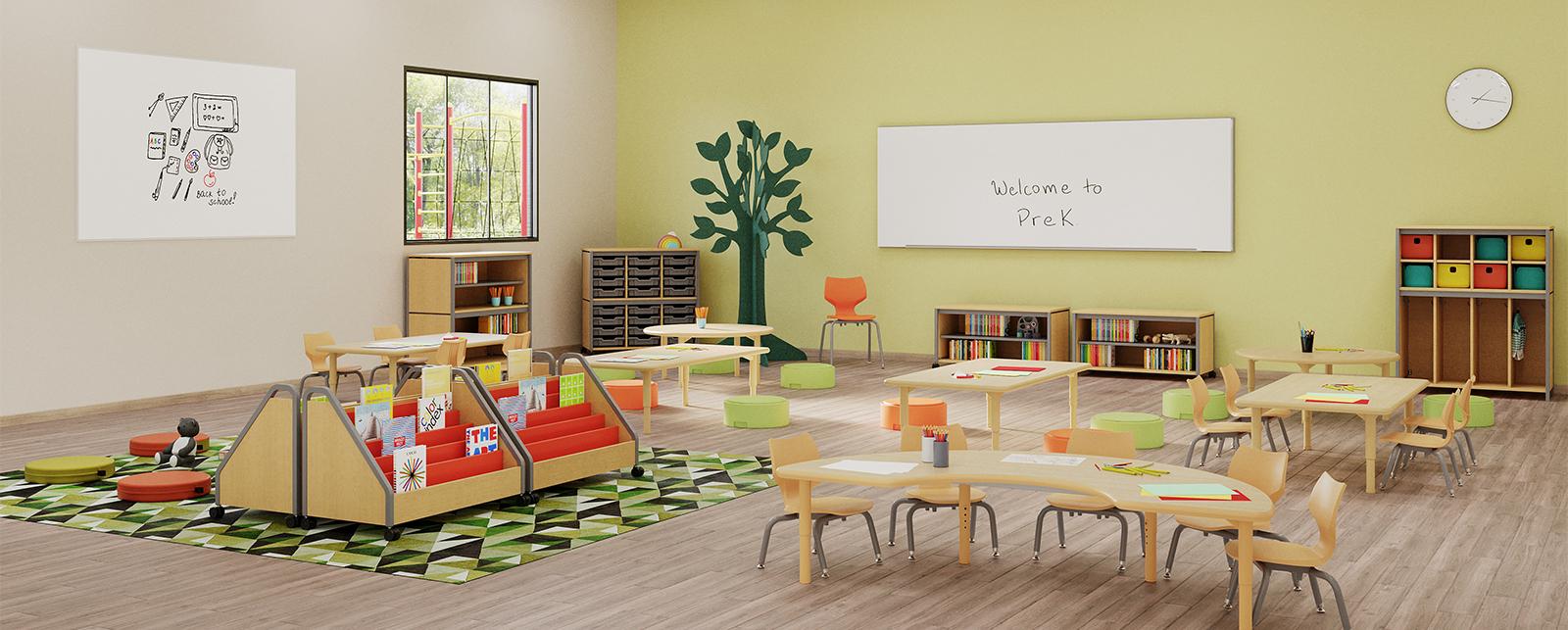
Effective SEL Strategies for Students with Special Needs: A Practical Guide
Social and Emotional learning (SEL) has been proven crucial for every learner’s development—but it’s especially significant for students with special needs. By integrating effective SEL strategies, educators can create supportive environments that empower all students to thrive both academically and socially.This comprehensive guide explores proven SEL approaches tailored for special education, practical tips for implementation, real-world examples, and the transformative impact of inclusive SEL in diverse classrooms.
Table of Contents
- Understanding SEL for Students with Special Needs
- Benefits of Inclusive SEL Strategies
- Practical SEL strategies for Special Needs Students
- Case Studies & Firsthand Experiences
- Tips for Successful Implementation in the Classroom
- Conclusion: Fostering Social and Emotional Success
understanding SEL for Students with Special Needs
Social and Emotional Learning (SEL) focuses on developing skills such as self-awareness, self-management, social awareness, relationship building, and responsible decision-making. For students with special needs—including those with autism spectrum disorder (ASD), ADHD, learning disabilities, or emotional and behavioral disorders—SEL holds unique value. These students often face challenges with social cues, emotional regulation, or communication, making targeted SEL support essential for their personal growth and academic success.
- Self-Awareness: Recognizing individual strengths,needs,and emotions.
- Self-Management: Managing emotions, stress, and impulses effectively.
- Social Awareness: Understanding perspectives of others and embracing diversity.
- Relationship skills: Building healthy communication,cooperation,and conflict resolution abilities.
- Responsible Decision-Making: Making ethical, constructive choices in various situations.
Effective SEL programs, when adapted for special education, can empower students to overcome social barriers, express themselves confidently, and become more independent learners.
Benefits of Inclusive SEL Strategies
Implementing SEL strategies for students with special needs in inclusive settings brings wide-ranging benefits—for both the students and the classroom community:
- Enhanced Communication Skills: SEL provides structured opportunities for practicing verbal and non-verbal communication, boosting confidence in interactions.
- Improved Emotional Regulation: Regular SEL activities teach coping mechanisms and emotional literacy, reducing incidents of frustration or anxiety.
- Stronger social integration: SEL supports peer relationships, fostering a sense of belonging and acceptance.
- Academic Success: With improved self-regulation and interpersonal skills, students are more engaged in learning and classroom activities.
- Positive School Climate: Inclusive SEL contributes to a compassionate, respectful classroom habitat benefiting all learners.
Practical SEL Strategies for Special Needs Students
adapting SEL for special education requires thoughtful planning, flexible approaches, and a deep understanding of each student’s individual needs. Here are proven,practical strategies to promote social and emotional growth for students with special needs:
1. Visual Supports & Social Stories
- Use picture schedules, charts, or flashcards to help students understand routines and expectations.
- Social stories—short, descriptive narratives—illustrate appropriate behaviors and responses in social situations. These are particularly helpful for students with autism or communication difficulties.
2. Explicit Instruction with Modeling
- Break down social skills into manageable steps.For example, teach “How to greet someone” using role-play and visual cues.
- Model the desired behaviors and give students opportunities to practice them in low-pressure settings.
3. Emotion Regulation Techniques
- Introduce mindfulness exercises (simple breathing techniques or guided imagery) tailored to attention spans and sensory preferences.
- Establish calm-down corners or sensory-friendly spaces in the classroom for emotional breaks.
4. Peer Buddy Systems
- Pair students with buddies for cooperative tasks or social activities.This encourages inclusive friendships and social learning through peers.
5. Choice Boards and Personalized Goals
- Create SEL choice boards with various activities, allowing students to select tasks that suit their interests and abilities.
- Set and celebrate personalized social-emotional learning goals, boosting motivation and self-confidence.
6. Consistent Routines and Predictability
- Maintain consistent daily routines to reduce anxiety and help students anticipate what’s next.
- Pre-teach changes in schedule and provide transition warnings to ease adaptation.
7. Assistive technology and Apps
- Leverage apps that support emotional identification, social skills practice, or mindfulness (e.g., zones of Regulation, Social Express, Calm).
- include digital communication boards or augmentative and option communication (AAC) devices as needed.
8. Family and Community Engagement
- Involve parents and caregivers in SEL activities through regular communication and home-based extensions of school lessons.
- Team up with counselors, therapists, and community resources to create a comprehensive support network.
Case Studies & Firsthand Experiences
To better illustrate the power of effective SEL strategies for students with special needs, here are two brief real-life examples:
Case Study 1: Visual Supports Transforming Social Interactions
At a public elementary school, a classroom serving students with autism introduced visual social stories before transitions—such as moving from the classroom to the cafeteria. One student, anxious about the busy lunchroom, was given a personalized story with pictures showing the process and steps. After several weeks, his anxiety reduced, and teachers observed increased independence during transitions.
Case Study 2: Peer Buddy System Enhancing Inclusion
A middle school implemented a structured peer buddy program for students with learning disabilities in SEL lessons. Trained peer volunteers helped model appropriate conversation starters and supported positive social exchanges. within a semester, there was noticeable betterment in both academic engagement and friendships among participating students.
Tips for Successful Implementation in the Classroom
Whether you are a seasoned special educator or just starting out, the following tips can definitely help maximize the impact of SEL strategies in your classroom:
- Know Your Students: Conduct assessments to identify individual strengths and needs, and develop tailored SEL plans.
- Collaborate with Specialists: Work closely with speech therapists, occupational therapists, and school counselors for integrated support.
- Use Multimodal Instruction: Combine visual, auditory, and kinesthetic learning approaches to meet diverse learning styles.
- foster a Safe Environment: Encourage respect,empathy,and patience among all students. Celebrate small SEL victories to sustain motivation.
- Monitor Progress: Use checklists, observations, and self-reflections to track student growth and adjust strategies as needed.
- Encourage Student Voice: Allow students to share feelings, preferences, and feedback; this strengthens their sense of agency and belonging.
Conclusion: Fostering Social and Emotional Success
Integrating effective SEL strategies for students with special needs transforms not only their educational journey but the classroom environment as a whole. By providing structure, adaptability, and compassion, educators empower every learner to build meaningful relationships, manage emotions, and confidently navigate the world around them. Remember: even small, consistent SEL practices can make a lasting difference. Start implementing these proven techniques, collaborate with your school community, and witness the incredible growth that’s possible when all students are supported in their social-emotional learning.
Keywords: SEL strategies for students with special needs, social emotional learning special education, inclusive SEL, practical SEL activities, SEL classroom tips, social skills for special needs, SEL implementation, special education SEL resources.