
Effective SEL Strategies for Students with special Needs: Boosting Emotional and Social Success
Supporting the social and emotional well-being of students with special needs is crucial for their success, both in and out of the classroom. Effective Social and Emotional Learning (SEL) strategies for students with special needs can make a transformative difference, empowering them to cope with challenges, build relationships, and thrive academically and personally. In this comprehensive guide,we’ll explore research-backed SEL strategies,their benefits,practical classroom tips,and real-world examples to help every learner experience emotional and social success.
Understanding Social and Emotional Learning (SEL) for Students with Special Needs
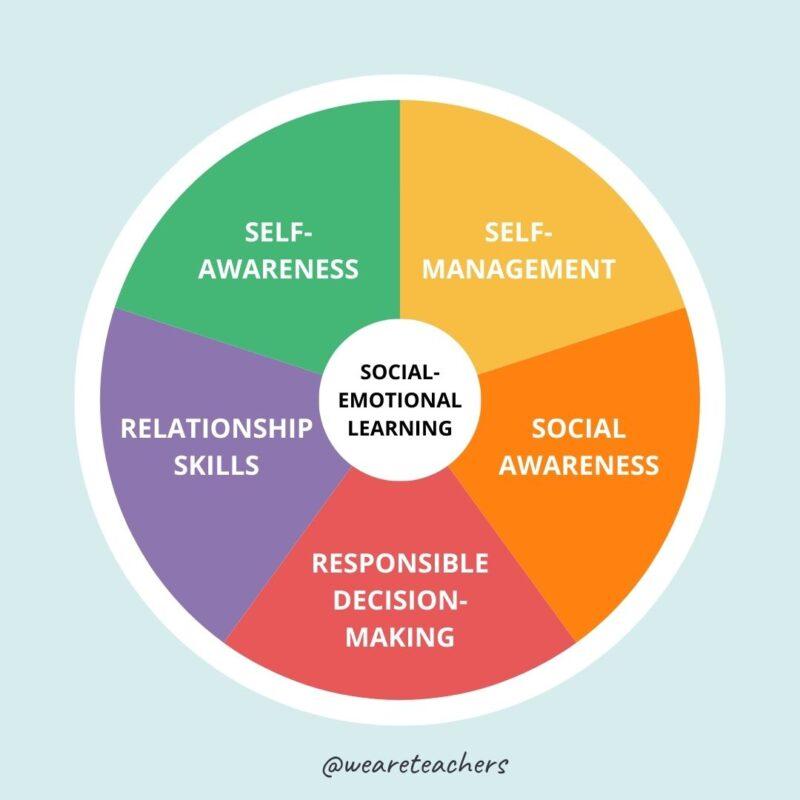
Social and Emotional Learning (SEL) is the process of developing self-awareness, self-control, interpersonal skills, and responsible decision-making. For students with special needs, such as those with learning disabilities, autism spectrum disorder (ASD), ADHD, or emotional/behavioral disorders, effective SEL is foundational to creating an inclusive learning environment that addresses unique challenges.
- Self-awareness: Understanding emotions, strengths, and areas for growth
- Self-management: Handling stress, controlling impulses, and motivating oneself
- social awareness: showing empathy and understanding diverse perspectives
- Relationship skills: Communicating clearly, making friends, and resolving conflicts
- Responsible decision-making: Making ethical, safe, and respectful choices
Because students with special needs may face additional social-emotional challenges, implementing tailored SEL strategies can ensure everyone has the support they need.
Benefits of SEL for Students with Special Needs
A robust SEL program provides critically importent benefits for students with disabilities or learning differences. Here are some proven advantages:
- Improved emotional regulation and reduced anxiety
- Better social skills and peer relationships
- Increased classroom engagement and academic performance
- Stronger self-esteem and sense of belonging
- Reduced behavioral issues and classroom disruptions
- Fostering independence and life skills for future success
Through consistent SEL interventions, students with special needs are better equipped to navigate challenges and participate more fully in the school community.
Effective SEL Strategies for Students with Special Needs
Below, we will highlight targeted, practical, and effective SEL strategies suitable for students with a wide range of special needs.
1. Visual Supports and Social Stories
- Use visual schedules, picture cards, and social stories to illustrate routines and expected behaviors.
- Social stories help students preview social situations, reducing anxiety and supporting better choices.
- Visual supports clarify expectations for students with autism, intellectual disabilities, or interaction challenges.
2.Explicit teaching of Social Skills
- dedicate time for direct instruction in areas like greetings, sharing, listening, and turn-taking.
- Use role play and modeling to demonstrate both appropriate and inappropriate social interactions.
- Offer immediate,specific feedback to reinforce positive behaviors and provide corrective guidance.
3. Emotional Check-Ins and Regulation Tools
- Incorporate daily feelings check-ins using visuals (emotion thermometers, charts, or emojis).
- Introduce calming strategies such as breathing exercises, sensory breaks, or mindfulness activities.
- Teach students to identify triggers and select self-regulation tools from a “calm-down kit.”
4. Peer Buddy and Social Peer Modeling
- pair students with peer buddies who model effective communication and social interaction.
- Encourage collaborative activities that promote inclusion, empathy, and teamwork skills.
- Rotate partners and peer groups to help everyone connect and feel included.
5. flexible Communication Supports
- Offer alternative ways for nonverbal or minimally verbal students to communicate,such as AAC devices,sign language,or written responses.
- Be patient and allow time for processing and responding to social situations.
6. Consistent Praise and Positive Reinforcement
- Implement a reward system for social and emotional growth, recognizing both big milestones and small wins.
- Use specific praise to help students understand exactly what behaviors are desired.
Practical Tips for Implementing SEL Strategies in the Classroom
- Incorporate SEL into daily routines: Start the day with a morning meeting, include SEL in subject areas, and regularly check in on students’ feelings.
- Individualize approaches: Tailor SEL activities to each student’s abilities, interests, and needs.
- Use technology: Integrate apps and online tools designed to help students practice emotion identification and social skills.
- Foster a growth mindset: Teach students that challenges are opportunities for growth, building resilience through encouragement.
- Engage families: Share strategies, progress, and SEL resources with families to create a united support system.
Success with SEL is a collaborative process. teachers, paraprofessionals, and therapists should communicate openly to ensure strategies are effective and consistent.
Case Study: SEL in Action for Students with Special Needs
Ms. Harper’s Inclusive Classroom: In a third-grade classroom with a blend of neurodiverse learners, Ms. Harper implemented daily emotion check-ins using a color-coded emotions chart. She also created a “chill corner” stocked with sensory tools and allowed all students—regardless of label—to access it when feeling overwhelmed.
Consequently, one student who struggled with emotional outbursts began to use deep-breathing visuals independently. Peer buddies encouraged him with praise, and soon, incidents of frustration decreased. The entire classroom climate improved, making the environment more welcoming and supportive for every child.
First-Hand Experience: A Parent’s perspective
“When SEL was integrated into my son’s IEP, we saw a huge change. He learned to express his feelings with his communication device, and even started initiating play with classmates. The personalized SEL strategies made him more confident and happier at school.” — Parent of a 4th Grade Student with Autism
Common Challenges and How to Overcome Them
- Generalization: Students may struggle to apply social-emotional skills in different settings. Provide practice in various environments and include community-based activities.
- Limited resources: Not all schools have access to dedicated SEL materials. Use free online resources or create simple visual aids and stories yourself.
- Resistance to change: Some students may resist new routines or activities. Start small, be consistent, and celebrate gradual progress.
Conclusion: SEL Empowers Every Learner
Effective SEL strategies for students with special needs are essential for unlocking emotional and social success. By using individualized approaches, visual aids, direct instruction, and creating supportive classroom environments, educators and parents can empower every child to reach their full potential.
Start implementing these SEL strategies today and watch as your students build confidence, resilience, and the vital social-emotional skills needed for lifelong learning and happiness.
For more resources, expert tips, and the latest research on SEL for students with special needs, bookmark this page or subscribe to our newsletter!