
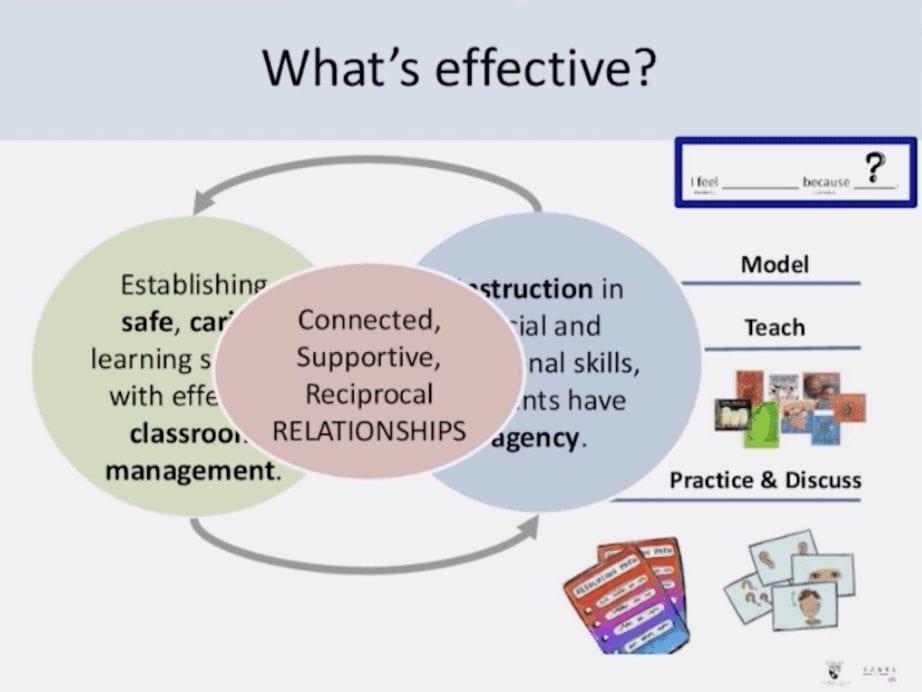
Effective SEL Strategies for Students with Special Needs: Enhancing Emotional and social Learning
In today’s diverse classrooms, Social and Emotional Learning (SEL) plays a pivotal role in fostering inclusive and supportive educational environments. For students with special needs, SEL is even more crucial, contributing to their academic success, personal growth, and positive relationships. This comprehensive guide explores effective SEL strategies for students with special needs, detailing actionable steps, success stories, and evidence-based interventions tailored to diverse learning profiles.
What is Social and Emotional Learning (SEL)?
Social and Emotional Learning refers to the process through wich children and adults acquire and effectively apply the knowledge, attitudes, and skills necessary to understand and manage emotions, set positive goals, show empathy, maintain positive relationships, and make responsible decisions. For students with special needs, SEL not only supports emotional well-being but also enhances their ability to adapt socially and academically.
Why SEL Is Crucial for Students with Special Needs
- Improved Dialogue: SEL helps students with disabilities express themselves effectively.
- Better Emotional regulation: Encourages understanding and management of emotions like frustration or anxiety.
- peer Interaction Skills: Fosters friendships and reduces feelings of isolation.
- Academic Achievement: SEL is closely linked to improved focus, motivation, and academic progress.
- Self-Advocacy: helps students develop confidence to express their needs and opinions.
Key SEL Strategies for Students with Special Needs
Implementing SEL strategies in inclusive classrooms requires thoughtful adaptations to address the unique strengths and challenges of each student. Here are the most effective approaches:
1. Personalized Learning Plans
- Integrate SEL goals in Individualized Education Programs (ieps).
- Set measurable objectives for social and emotional growth.
- Collaborate with families, therapists, and specialists for a holistic approach.
2. Use of Visual Supports
- Implement visual schedules, emotion charts, and social stories to reinforce SEL lessons.
- Utilize symbols and pictures to communicate expectations and emotions clearly.
3. Scaffolded Social Skills Instruction
- Break down complex social situations into step-by-step instructions.
- Role-play scenarios, using scripts and guided prompts to foster understanding.
- Utilize peer modeling and cooperative learning groups.
4. Mindfulness and Emotional Regulation Techniques
- Introduce breathing exercises,guided imagery,or sensory breaks.
- Graphic organizers can help identify and track emotions.
- Calm-down corners or mindfulness spaces in classrooms.
5. Positive Behavioral Supports
- Recognize and reinforce positive social behaviors with praise or rewards.
- Use clear, consistent routines and expectations to foster predictability.
6. Technology-Enhanced SEL Tools
- Incorporate accessible apps and online platforms designed for SEL, such as ClassDojo or Zones of Regulation.
- Leverage assistive technology for communication and emotional expression.
Benefits of SEL for Students with Disabilities
- Greater resilience and coping skills during challenging situations.
- Improved classroom participation and lowered behavioral issues.
- Increased empathy and understanding among peers, fostering a more inclusive habitat.
- Long-term social success beyond the classroom, enhancing life outcomes and independence.
Practical Tips for Teachers and Caregivers
To successfully implement SEL strategies for students with special needs, teachers and caregivers can:
- Maintain Open Communication: Regularly engage with parents, therapists, and support staff.
- use Data to Inform Instruction: Track SEL progress using checklists, observations, or digital tools.
- Foster a Safe, Supportive Atmosphere: Celebrate successes, encourage collaboration, and address exclusion or bullying swiftly.
- Integrate SEL Across the Curriculum: Weave SEL themes into literature,art,and daily routines.
- Provide Consistent Feedback: Use clear, specific praise and redirection to reinforce SEL concepts.
case Studies: SEL in Action with Special Needs Students
Case Study 1: Visual schedules and Emotional Charts for Autism Spectrum Disorder (ASD)
At Green Valley Elementary, a fourth-grade teacher introduced personalized visual schedules and emotion charts for a student with ASD. The student, previously anxious about transitions, began expressing emotions more clearly and participating more confidently in group activities.
Case Study 2: Mindfulness Strategies for Students with ADHD
in an inclusive fifth-grade classroom, the use of brief mindfulness exercises helped students with ADHD regulate impulses and manage frustration. Teachers observed a notable decrease in disruptions and a boost in sustained attention during lessons.
First-Hand Experience: A Teacher’s Perspective
“Implementing SEL strategies transformed how my students interacted not only with peers but also with themselves. By incorporating social stories, practicing deep breathing, and making space for emotional check-ins, I saw students develop greater resilience and self-confidence, especially those with learning disabilities who previously struggled with self-regulation.” — Ms. Reed, Special Education Teacher
the Role of Families and Community in SEL
Effective SEL programs for students with special needs are most triumphant when families and communities are part of the process. Schools can:
- Host workshops or informational sessions for parents on SEL techniques.
- Encourage consistency by sharing SEL resources for use at home.
- Partner with local organizations to provide extracurricular SEL opportunities.
Conclusion: Fostering Lifelong Success through SEL
SEL strategies for students with special needs are not one-size-fits-all; they must be adapted, individualized, and nurtured continuously. By weaving emotional and social learning into the fabric of daily instruction,educators and caregivers can unlock each child’s potential—empowering them to thrive academically,emotionally,and socially. As research continues to underscore the long-term benefits of effective SEL,prioritizing thes strategies will shape stronger,more compassionate,and more inclusive learning communities for all.
For additional SEL resources, curriculum guides, or professional development, explore reputable organizations such as CASEL or connect with your school’s special education support team.