
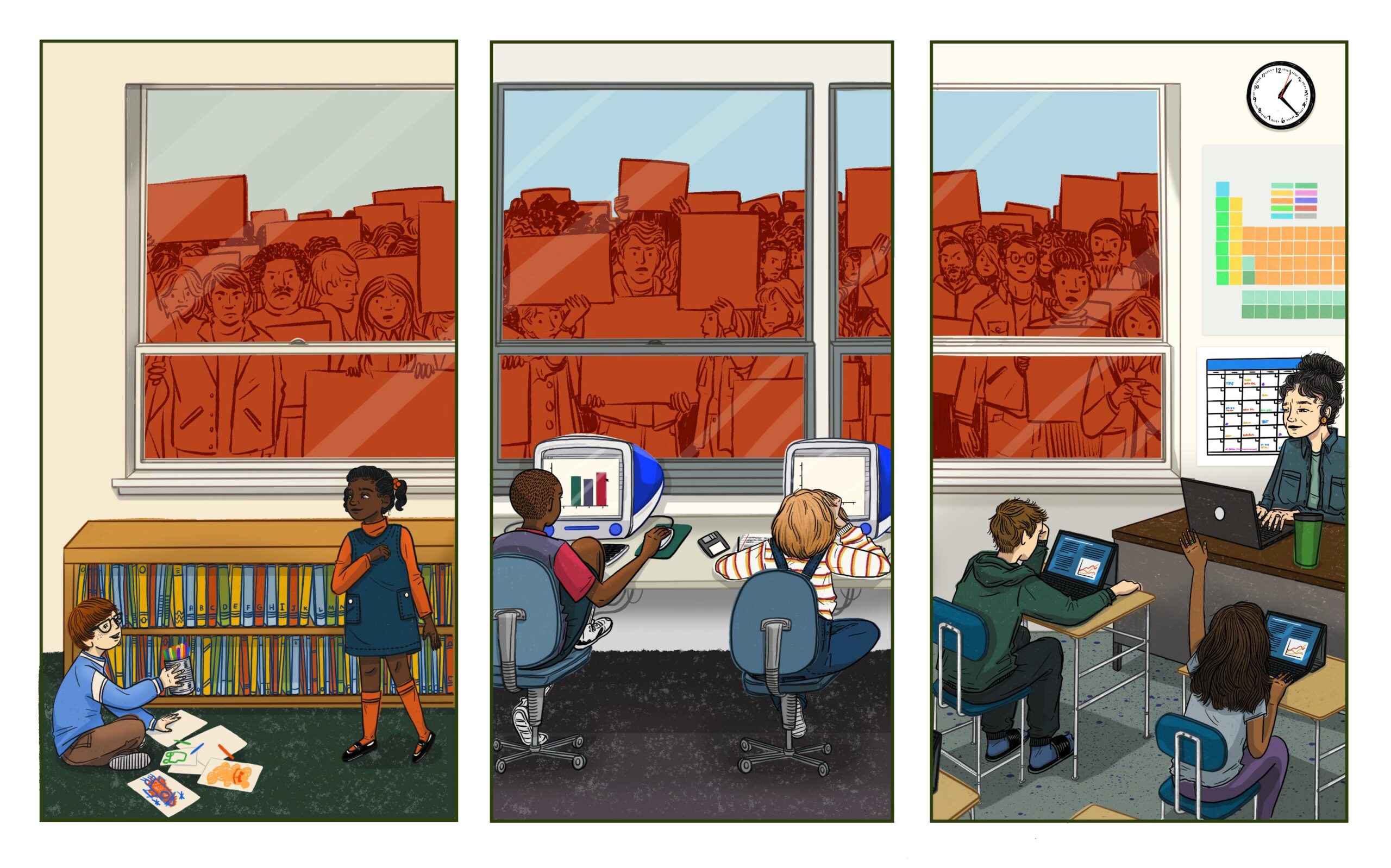
Effective SEL Strategies for students with Special Needs: Enhancing Learning and Inclusion
Social-emotional learning (SEL) empowers all students to better understand themselves, manage emotions, and forge healthy relationships. For students with special needs, the benefits of SEL go even deeper—helping them build confidence, navigate challenges, and thrive alongside their peers. This comprehensive guide explores effective SEL strategies for students with special needs, providing educators, parents, and caregivers the tools they need to foster both inclusion and academic success.
Why Is SEL Vital for Students with Special Needs?
Students with special needs often face unique social, emotional, and behavioral challenges. Integrating social-emotional learning for students with special needs promotes not only emotional management and self-advocacy but also a more inclusive classroom surroundings. Key benefits include:
- Improved Self-Awareness: Helps students recognize their feelings and strengths.
- Better Dialogue Skills: Encourages students to express needs and emotions appropriately.
- Enhanced Peer Relationships: Fosters empathy, cooperation, and friendships.
- Increased Academic Engagement: Provides a foundation for focus,motivation,and learning.
- Reduced Behavioral Issues: Equips students with conflict resolution and self-regulation skills.
Key Principles of SEL for Students with Special Needs
Implementing successful SEL strategies for special education requires understanding the unique learning and developmental profiles of each student. The following key principles set the stage for effective programming:
- Individualization: Tailor activities and supports to address diverse needs and preferences.
- Consistency: Use regular routines and predictable structures to provide stability.
- Accessibility: Present materials in multiple formats—visual,auditory,tactile—for varied learning styles.
- Family Engagement: Involve families to reinforce SEL skills both at school and home.
- Collaboration: Foster coordination among teachers, therapists, and support staff.
Effective SEL Strategies for Students with Special Needs
The following SEL strategies have demonstrated success in supporting students with autism, ADHD, learning disabilities, emotional disorders, and other special needs:
1. Visual Supports and Social Stories
- use visual schedules, cue cards, or emotion charts to help students anticipate routines and interpret social cues.
- Develop social stories that model expected behaviors and offer clear guidance on handling challenging situations.
2. Explicit Instruction in Social Skills
- Plan structured group activities targeting skills like sharing, turn-taking, and active listening.
- Incorporate role-playing and video modeling to practice real-life scenarios.
3. Emotion Regulation Techniques
- Teach students to identify and label their emotions using emotion wheels or mood meters.
- Introduce self-calming tools such as deep breathing, sensory breaks, or fidget objects.
4. Positive Behaviour Reinforcement
- Celebrate small successes with verbal praise, stickers, or reward systems.
- Offer immediate, descriptive feedback to reinforce desired behaviors.
5. Collaborative Problem Solving
- Guide students through steps to evaluate challenges, brainstorm solutions, and reflect on outcomes.
- Use restorative circles to resolve conflicts and build community.
6.Mindfulness and Relaxation Practices
- Schedule daily mindfulness exercises like guided imagery or “mindful minute” breathing.
- Incorporate sensory-amiable spaces for self-regulation when students feel overwhelmed.
7. Peer-Mediated Support
- Pair students with empathetic peers or buddies for mentorship and social coaching.
- Facilitate group projects that foster cooperation and shared obligation.
The Benefits of SEL in Special Education
Research shows that implementing social-emotional learning strategies for students with disabilities brings numerous benefits:
- Boosts emotional resilience and adaptability.
- Enhances classroom inclusion and equity.
- Reduces disciplinary referrals and negative behaviors.
- Strengthens family-school partnerships.
- Promotes lifelong social and emotional success.
Practical Tips for Integrating SEL in the Special Education Classroom
- Integrate SEL into Daily routines: Embed SEL lessons into morning meetings, transitions, and curriculum content.
- Use Multisensory Approaches: Combine music, movement, visual arts, and technology for deeper engagement.
- Foster Safe and Supportive Environments: Establish clear expectations and consistent routines.
- Monitor Progress: Set measurable goals and regularly assess student growth with check-ins and surveys.
- Professional Development: Actively seek training to respond effectively to the needs of students with disabilities.
Case Study: SEL Success Story in an Inclusive Classroom
At Oakwood Elementary, teachers implemented daily SEL check-ins and social skills sessions in a classroom that included students with autism and ADHD.
Results after six months:
- Increased peer interactions and friendships across ability levels.
- Noticeable enhancement in classroom behavior and student focus.
- Positive feedback from families and support staff.
- Higher student confidence and participation in group activities.
These changes not only elevated the learning environment but also helped build a truly inclusive community.
First-Hand Experience: A Teacher’s Perspective on SEL for Special Needs
“When I prioritized SEL in my classroom, I saw incredible growth, especially from my students who frequently enough struggled the most. One nonverbal student began expressing his feelings through a mood board we created together. The class grew more patient and understanding, and there was a noticeable drop in outbursts. SEL truly helped us connect on a deeper level.”
– Ms. Ramirez,Special Education Teacher
Recommended SEL Resources for Special education
- CASEL – collaborative for Academic, Social, and Emotional Learning
- Character.org – Character education resources with SEL alignment
- Autism Speaks – Tools for social skills and emotion regulation
- Understood.org – Strategies and stories for supporting diverse learners
Conclusion
Integrating social-emotional learning strategies for students with special needs isn’t just about building “soft skills”—it’s about fostering an inclusive, empowering learning environment where every student’s unique strengths shine. By adopting individualized, evidence-based SEL approaches, educators and families can unlock new possibilities for growth, connection, and success. Start with small steps, collaborate across your school community, and watch as your classroom transforms into a place where all students belong and thrive.