
Effective SEL Strategies for supporting Students with Special Needs
Supporting the social and emotional learning (SEL) of students with special needs is pivotal for helping them thrive academically, behaviorally, and socially. While every student benefits from SEL, those with unique learning and developmental challenges often require tailored approaches to ensure equitable access to SEL opportunities. This comprehensive guide explores effective SEL strategies for supporting students with special needs, offers practical implementation tips, and highlights the transformative benefits for inclusive classrooms.
Introduction
Social-emotional learning (SEL) has become a cornerstone in modern education, empowering students of all abilities to develop self-awareness, build positive relationships, and manage emotions effectively. For students with special needs, SEL is not just beneficial—it’s essential. Many face social, emotional, and behavioral challenges that can impact their overall well-being and learning outcomes. By employing targeted SEL strategies, educators and caregivers can create a welcoming, supportive environment tailored to the diverse needs of all learners.
Why SEL Matters for Students with Special Needs
Students with special needs, including those with autism spectrum disorder (ASD), ADHD, learning disabilities, and emotional disorders, often encounter unique obstacles in navigating social situations, regulating emotions, and communicating effectively. SEL fosters critical skills that:
- Enhance social interaction and communication
- Support self-regulation and impulse control
- Build resilience and coping mechanisms
- Promote positive self-image and confidence
- Improve academic engagement and achievement
Proven SEL Strategies for supporting Students with Special Needs
Implementing effective SEL strategies requires a thoughtful, individualized approach. Here are key strategies that educators and families can use to support students with special needs:
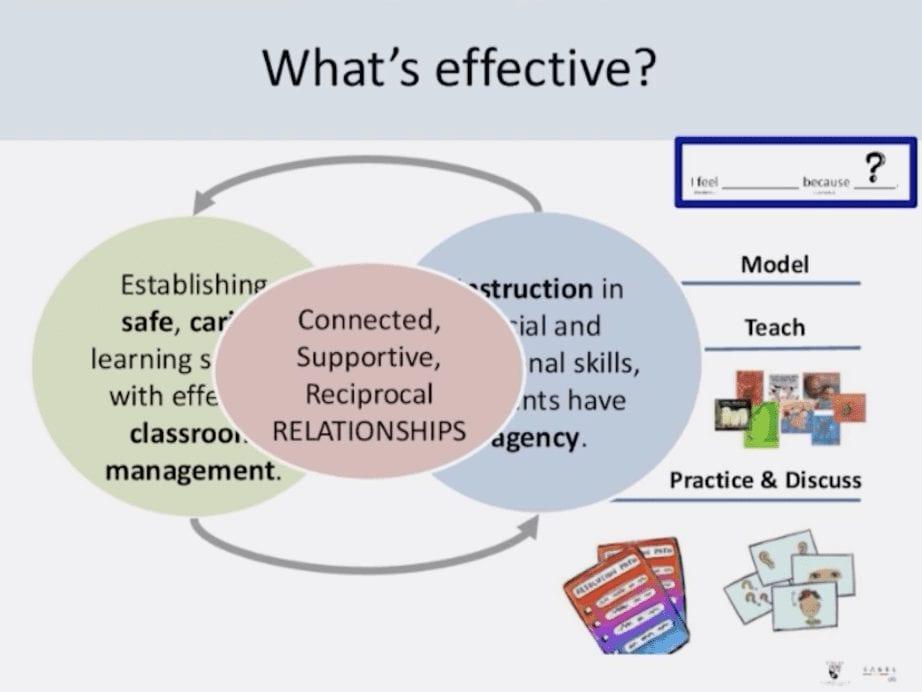
1. Explicit Skill Instruction
- Break down skills: Teach SEL competencies—like recognizing emotions, managing anger, or cooperating with peers—in small, manageable steps.
- Role-play and practice: Use modeling, visual cues, and role-playing to help students internalize new skills.
- Use repetition: Reinforce learning thru consistent review and practice, ensuring skills are retained and generalized.
2. Create Predictable Routines
- Establish clear, consistent daily schedules to provide stability and reduce anxiety.
- Use visual schedules or timers for transitions and activities, which can be particularly beneficial for students with autism or attention challenges.
3. Embed SEL in academic Content
- Integrate SEL themes (e.g., teamwork, empathy) into reading assignments, group projects, or classroom discussions.
- Relate academic themes to real-life social situations, making content relatable and meaningful.
4. Leverage Assistive Technology
- Use communication apps and devices tailored to students with speech or language delays.
- Incorporate visual stories, social scripts, and interactive SEL activities through tablets or computers.
5. Foster a Positive Classroom Climate
- Celebrate small successes and progress to boost self-esteem.
- Encourage peer support and inclusive group activities to promote friendship and belonging.
- Establish a zero-tolerance policy for bullying and model respectful communication.
6. Individualize SEL Goals and Supports
- Work with specialists, families, and the student to develop Individualized Education Program (IEP) goals that include SEL objectives.
- utilize functional behavioral assessments to determine underlying causes of challenging behaviors and tailor interventions accordingly.
7. Family and Community Collaboration
- Engage parents and caregivers in SEL practices at home through regular communication and shared resources.
- Connect with community organizations for additional social-emotional programming and support services.
Practical Tips for Implementing SEL with Special Needs Students
Effective SEL for special needs students doesn’t require a complete classroom overhaul. Consider these practical tips to enhance your SEL efforts:
- Use multimodal teaching: Combine verbal instruction with visuals, hands-on activities, and technology.
- Promote self-advocacy: Teach students to express their needs and preferences respectfully.
- Monitor progress regularly: Use check-ins, journaling, or self-assessment tools to evaluate skill development.
- Train staff: Provide ongoing professional development for educators and support staff in SEL and special education best practices.
- Prioritize student voice: Involve students in setting their own SEL goals whenever possible.
Key Benefits of SEL for Special Needs Students
Adopting SEL strategies for students with special needs yields both short-term and lasting benefits, including:
- Improved Behavior: Targeted SEL decreases disruptive behaviors and enhances self-regulation.
- enhanced Academic success: Emotional stability and positive relationships support better focus and motivation.
- Greater Social Inclusion: SEL encourages friendships,peer interaction,and participation in group activities.
- Emotional Resilience: Students learn healthy ways to handle setbacks and stress, building lifelong adaptability.
- Increased confidence: Positive feedback and skill mastery foster a stronger sense of self-worth.
Case Study: Implementing SEL in an Inclusive Classroom
At Willow Springs Elementary,a third-grade classroom integrated SEL strategies to better support students with ASD and ADHD.Teachers introduced daily mindfulness practices, used visuals for routines, and facilitated structured peer buddy systems. Over the course of a semester:
- Students with special needs showed marked advancement in emotional regulation and peer interactions.
- Incidents of classroom disruptions dropped by 40%.
- IEP goals related to social skills and self-advocacy were met ahead of schedule.
- Parents reported increased confidence and better communication from their children at home.
This case illustrates how proactive, inclusive SEL efforts directly benefit not just students with special needs, but the broader classroom community as well.
First-Hand Experience: Voices from the Classroom
“One of my students struggled with anxiety and peer relationships.Incorporating visual SEL cues and creating a calm-down corner transformed her attitude towards school. She started engaging more with classmates and became an active member of our morning SEL discussions. Seeing her progress was truly rewarding.”
— Ms. Gomez, Special Education Teacher
Additional Resources for SEL and Special Needs Support
- Collaborative for Academic, Social, and Emotional learning (CASEL)
- Autism society
- Positive Behavioral Interventions and Supports (PBIS)
- Understood – Resources for learning and attention differences
Conclusion
Empowering students with special needs through social-emotional learning isn’t just an educational best practice—it’s a vital step towards equity and inclusion. By adopting effective SEL strategies, individualizing supports, and fostering collaborative partnerships, educators can create classrooms where every learner feels seen, valued, and capable of reaching their full potential. Whether you’re a teacher, administrator, or parent, integrating SEL into your support plan paves the way for personal growth, academic achievement, and a brighter, more inclusive future for all.