
elevate Corporate Training Programs with Microlearning: Benefits, Strategies & Best Practices
Microlearning has emerged as a powerful approach in modern corporate training, transforming how professionals learn and retain essential skills and knowledge. This concise, focused learning delivers content in small, manageable chunks, perfectly suited for today’s fast-paced work environments. In this article, we’ll delve into the undeniable benefits of microlearning, strategic implementation for organizational success, practical tips, and inspiring case studies—helping you elevate your corporate training programs for maximum impact.
What is microlearning? Understanding the Basics
Microlearning refers to bite-sized educational content designed to teach specific skills or concepts quickly and effectively. Typically lasting just a few minutes, these learning segments can include videos, quizzes, infographics, podcasts, or short articles. Unlike traditional lengthy training modules, microlearning supports just-in-time learning and fits seamlessly into busy employee schedules.
Key Features of Microlearning:
- Short, focused lessons (usually 3–10 minutes)
- Accessible via mobile devices and desktops
- Uses multimedia—videos, infographics, podcasts
- interactive elements like assessments and quizzes
- Flexible, self-paced enjoyment for learners
Benefits of microlearning in Corporate Training Programs
Incorporating microlearning into your corporate training programs can yield measurable advantages for both organizations and employees. Here are the top benefits driving its widespread adoption:
1. Enhanced learning Retention
- Bite-sized lessons reduce cognitive overload and improve knowledge retention.
- Spaced repetition and frequent reinforcement help solidify learning.
- Learners gain mastery over complex topics by tackling them in small increments.
2. Increased Employee engagement
- Dynamic content—videos, scenarios, gamification—piques interest.
- Flexible, on-demand access empowers self-directed learning.
- Immediate feedback, rewards, and achievements motivate participation.
3.Cost-Effective & Time-Efficient
- Faster growth and deployment compared to traditional courses.
- Minimizes work disruptions; employees can learn during downtime.
- Reduces training costs by leveraging digital platforms and automation.
4. Scalability & Consistency
- Delivers standardized content across distributed teams and global offices.
- Easily updated and expanded in response to business needs or compliance changes.
- fosters a culture of continuous learning and professional growth.
“Our switch to microlearning improved completion rates by over 50%, allowing our teams to absorb critical updates between client meetings without missing a beat.” – HR Director, Fortune 500 Company
Strategic Implementation: Elevate Your Corporate Training Programs
A successful microlearning strategy requires thoughtful planning and a clear understanding of your organization’s learning objectives. Here’s how to ensure your microlearning deployment drives lasting results:
Step 1: Define Goals and KPIs
- Align microlearning modules with your organization’s key competencies and compliance requirements.
- Set measurable KPIs—completion rates, assessment scores, post-training performance.
Step 2: Map your Content
- analyze existing training materials and identify opportunities for conversion into microlearning formats.
- Break down complex topics into short learning objectives and clear outcomes.
Step 3: Choose the Right Technology
- Invest in a learning management system (LMS) or digital learning platform with microlearning support.
- Prioritize mobile compatibility to ensure seamless access.
- Evaluate platforms by ease of updates, analytics, and social learning features.
Step 4: Engage subject Matter Experts
- Collaborate with internal experts to ensure accuracy and relevance.
- Encourage peer-generated content, boosting authenticity and engagement.
Step 5: Iterate & Improve
- Collect real-time learner feedback and adjust modules as needed.
- Monitor performance analytics to optimize future training releases.
Best Practices for Microlearning Success
To maximize the impact of microlearning in your corporate training programs, follow these expert-recommended best practices:
- Keep It Short & Focused: Target single learning objectives—avoid facts overload.
- Use Multimodal Content: Combine text, visuals, audio, and interactive elements to cater to diverse learning styles.
- Incorporate Interactivity: Embed quizzes, simulations, and problem-solving tasks to drive active participation.
- Make it Accessible: Design content for mobile devices, tablets, and desktops with responsive layouts.
- Enable Social Learning & Discussion: Integrate forums, leaderboards, peer reviews, and group challenges.
- Offer Just-in-Time Support: Provide quick reference guides, toolkits, and micro-nudges for on-the-job applications.
- Reinforce and Follow Up: schedule reminders, microassessments, and refresher modules over time.
Case Studies: Microlearning in Action
Case study #1: Improving Sales Onboarding at a Tech Firm
- Challenge: Traditional onboarding overwhelmed new hires with too much information, resulting in low retention.
- Solution: The company transitioned to microlearning modules—short scenario-based lessons with gamified rewards and pop quizzes.
- Results: 30% faster onboarding, 75% increase in sales team confidence scores, measurable improvement in product knowledge.
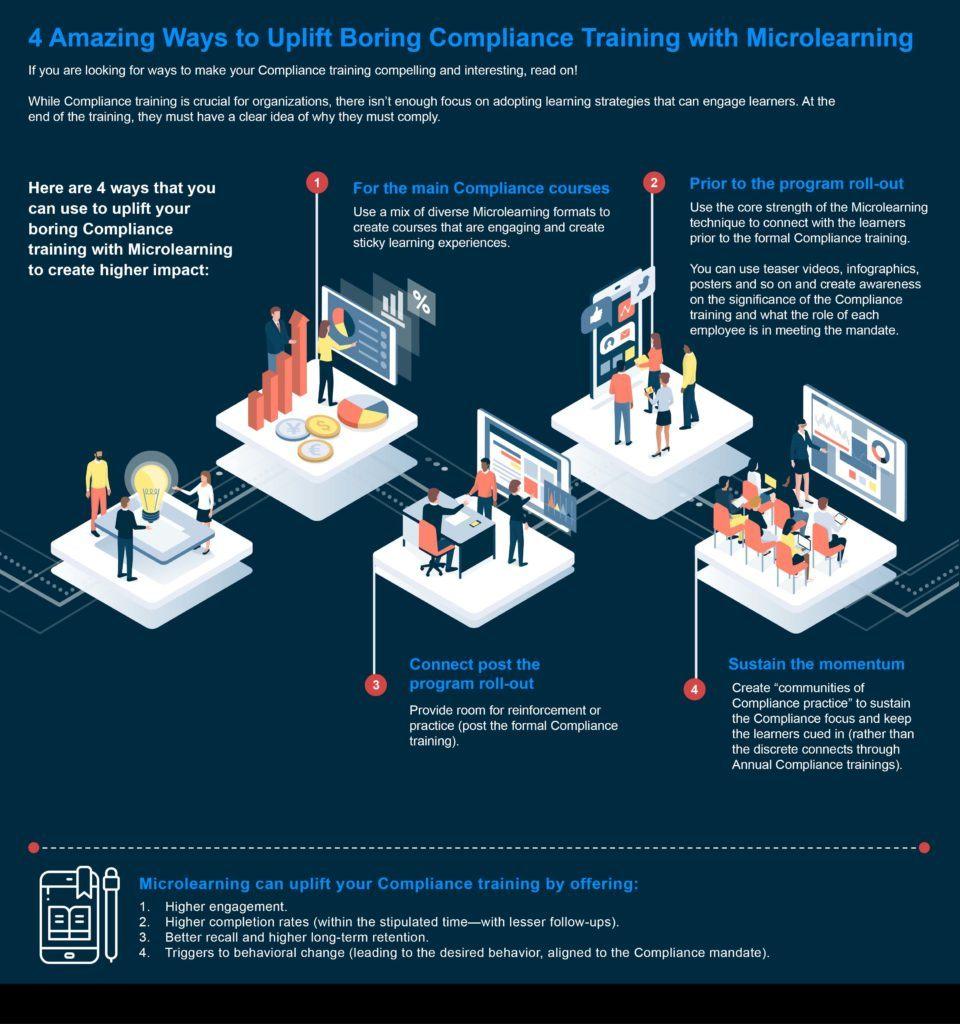
Case study #2: Clinical Compliance in Healthcare
- Challenge: Keeping medical staff aligned with frequently updated guidelines.
- Solution: Microlearning videos and interactive checklists delivered via mobile app—enabling instant access to critical compliance updates.
- Results: 40% decrease in compliance-related errors, increased completion rate, positive staff feedback on adaptability.
Practical Tips for Launching Microlearning in Your Organization
- Start Small: Pilot with a focused group and a single topic to gauge effectiveness.
- Leverage Analytics: Use data to refine content and personalize recommendations.
- encourage User-Generated Content: Employees can create short tutorials or best practice tips to share knowledge.
- Promote Microlearning as a Habit: Integrate lessons into daily work routines and performance reviews.
- Celebrate Success: Recognize top learners and reward consistent participation to build excitement.
Conclusion: The Future of Corporate Training is Microlearning
As organizations strive to elevate corporate training and meet the needs of a diverse workforce, the shift to microlearning is an essential, proven strategy. By delivering impactful education in short, actionable bursts, businesses unlock greater engagement, agility, and ROI. Whether your goal is onboarding, compliance, leadership development, or professional growth, microlearning empowers teams to learn smarter—not harder.
Ready to transform your corporate training programs? Harness the power of microlearning and set your organization on the path to sustained success,innovation,and a culture of lifelong learning.