
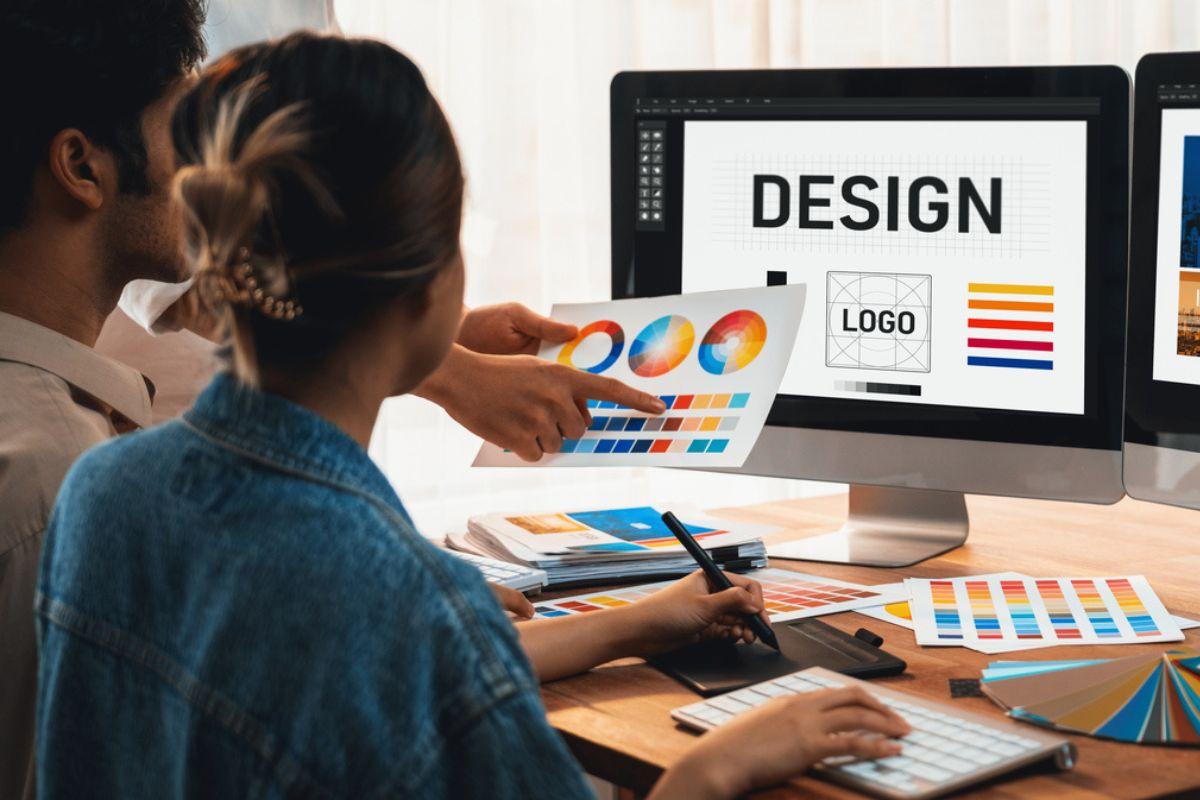
Elevate E-Learning: How a Visual designer Transforms Online Education
As online learning becomes an essential part of universities, colleges, and schools worldwide, the role of a visual designer in education technology is more critical than ever. In today’s digital classrooms, visual designers help create engaging, accessible, and effective e-learning experiences that shape the future of education. If you’re a job seeker passionate about both design and education, understanding how visual design elevates e-learning can give you a competitive edge in landing an impactful role.
Introduction: The Intersection of Visual Design and Online Education
Online education is revolutionizing how knowledge is shared, making learning more accessible to diverse audiences. But what makes an online course captivating and effective? beyond outstanding content, the secret frequently enough lies in the visual design. From user interface layouts to interactive graphics, a visual designer for e-learning blends creativity with pedagogy, turning conventional lessons into dynamic digital experiences. Universities, colleges, and schools now recognize the immense value of skilled visual designers in education technology teams—and job seekers with these talents are in high demand.
What Does a Visual Designer Do in Education Technology?
A visual designer in education technology works collaboratively with instructional designers, faculty, and IT specialists to shape the look, feel, and interaction of digital learning platforms. Here’s how they transform online education:
- User Experience (UX) Design: Ensuring courses are visually intuitive and accessible for learners of all backgrounds.
- User Interface (UI) Design: Creating cohesive layouts, buttons, icons, and navigation that fit the platform’s educational brand and purpose.
- Creating Visual Content: Designing interactive infographics,animations,videos,and illustrations that bring concepts to life.
- Branding and Cohesion: Maintaining consistent style guides across all course materials to reinforce institution identity and credibility.
- Accessibility: Applying universal design principles to ensure visual materials support all learners, including those with disabilities.
- Collaboration: working with educators to turn their vision into visually engaging and pedagogically sound materials.
Key responsibilities of a Visual Designer in E-Learning
For job seekers aiming at roles in education technology at universities,colleges,or schools,expect a multifaceted job description.Common responsibilities include:
- Designing course templates, slides, and digital assets for Learning Management Systems (LMS) like Canvas or Moodle
- Translating complex academic concepts into easy-to-understand visuals
- Optimizing websites and apps for mobile and desktop learning experiences
- Ensuring accessibility compliance (WCAG, ADA standards) for all visual materials
- Collaborating in cross-functional teams, including instructional designers and developers
- managing feedback, revisions, and quality assurance of digital assets
impact: Why Visual Designers are Essential in Online Education
Effective visual design can make or break an online course. Here are some reasons why visual designers are indispensable in e-learning:
- improved Engagement: Well-designed courses capture students’ attention, encourage participation, and reduce dropout rates.
- Enhanced Retention: Visual storytelling and succinct graphics help learners process information, leading to better retention and understanding.
- Accessibility: Thoughtful design ensures equal learning opportunities for all students, irrespective of their abilities.
- Institutional Reputation: Professional, cohesive visuals reinforce the credibility of the university or school.
Benefits of Pursuing a Visual Designer Career in Education Technology
Job seekers in education technology can look forward to unique advantages when choosing a visual designer role:
- meaningful Work: Your designs directly impact student success and educational outcomes.
- Growing Demand: Institutions are continually expanding their e-learning offerings, increasing opportunities for skilled designers.
- Creative Freedom: E-learning platforms encourage experimentation with new design tools, formats, and media.
- Collaboration: Work with passionate educators, tech specialists, and other creative professionals.
- Career Advancement: Opportunities to evolve into Senior Visual Designer, E-Learning Specialist, or UX/UI Lead roles.
Essential Skills and Tools for Visual Designers in E-Learning
Success in this role requires a combination of design finesse and technical know-how. Key skills and tools include:
- Design Software: Mastery of Adobe Creative Cloud (Photoshop, Illustrator, XD), Figma, Sketch, or Canva.
- LMS Platforms: Familiarity with Canvas, Blackboard, Moodle, or similar systems.
- Accessibility Standards: Understanding WCAG and ADA guidelines to design for inclusivity.
- Collaboration Tools: Using Asana,Trello,Slack,or microsoft Teams for project management and teamwork.
- Responsive Design: Ensuring visuals adapt seamlessly across devices.
- Animation and Motion graphics: Creating interactive elements with After Effects or similar tools.
Soft Skills
- Empathy for diverse learners
- Adaptability in fast-changing tech environments
- Effective interaction and presentation skills
- Problem-solving in collaboration with educators and developers
Practical Tips for Job Seekers in Education Technology visual Design Roles
Ready to elevate your career in e-learning? Here are actionable tips for landing a rewarding role:
- Build a Specialized Portfolio: Showcase e-learning projects,course templates,and educational infographics. Present before-and-after redesign samples to highlight your impact.
- Stay Updated: Follow trends in education technology, including immersive media, mobile-first design, and accessibility best practices.
- Highlight Soft Skills: Demonstrate your ability to collaborate, adapt, and understand educator and learner needs.
- Seek Certifications: Enhance your resume with certifications in accessibility, instructional design, or specialized software.
- Network with Education Professionals: Join online forums, LinkedIn groups, or education industry events to connect with hiring managers.
- Be Proactive: Volunteer for small education tech projects in your local school or online communities to gain experience and expand your portfolio.
- Tailor Your Applications: Research each institution’s unique e-learning approach and reference it in your cover letter and interview.
Career Pathways and Advancement
Visual designers in education technology have diverse progression options. With experience, you could move into roles such as:
- Senior Visual Designer – Lead design strategy and mentor junior designers
- E-Learning Course Developer – Combine instructional design with advanced multimedia
- UX/UI Lead – Drive user experience for all digital learning platforms
- Accessibility Specialist – Focus on making learning inclusive for all
Professional development is ongoing—many universities and colleges offer internal workshops, design communities, and tuition benefits to help employees grow.
Conclusion: Shape the Future of Education with Visual Design
online education is here to stay, and visual designers hold the power to make digital learning inspiring, accessible, and effective. By merging art with technology and pedagogy, you can help institutions deliver world-class education to learners everywhere. Whether you’re a seasoned designer or new to education technology, this career path offers dynamic opportunities for impact and growth.
If you’re a job seeker with a passion for design and a desire to make a difference in universities,colleges,or schools,consider elevating e-learning through the role of a visual designer. Your creativity and skills can help shape the future of education, one pixel at a time.