
Elevating Education: Effective Strategies for Training Educators in Inclusive Teaching Practices
In our increasingly diverse classrooms, inclusive teaching practices have become essential for fostering equitable learning environments.Schools and educational organizations worldwide are recognizing the need to invest in training educators to ensure that every student—irrespective of background, ability, or learning style—has the chance to succeed. This article explores thorough strategies for elevating education by empowering teachers with the tools and knowledge they need for inclusive instruction. Whether you’re a school administrator, teacher, or education advocate, these insights and tactics will help you champion authentic inclusion within your learning community.
Why Inclusive Teaching Practices Matter
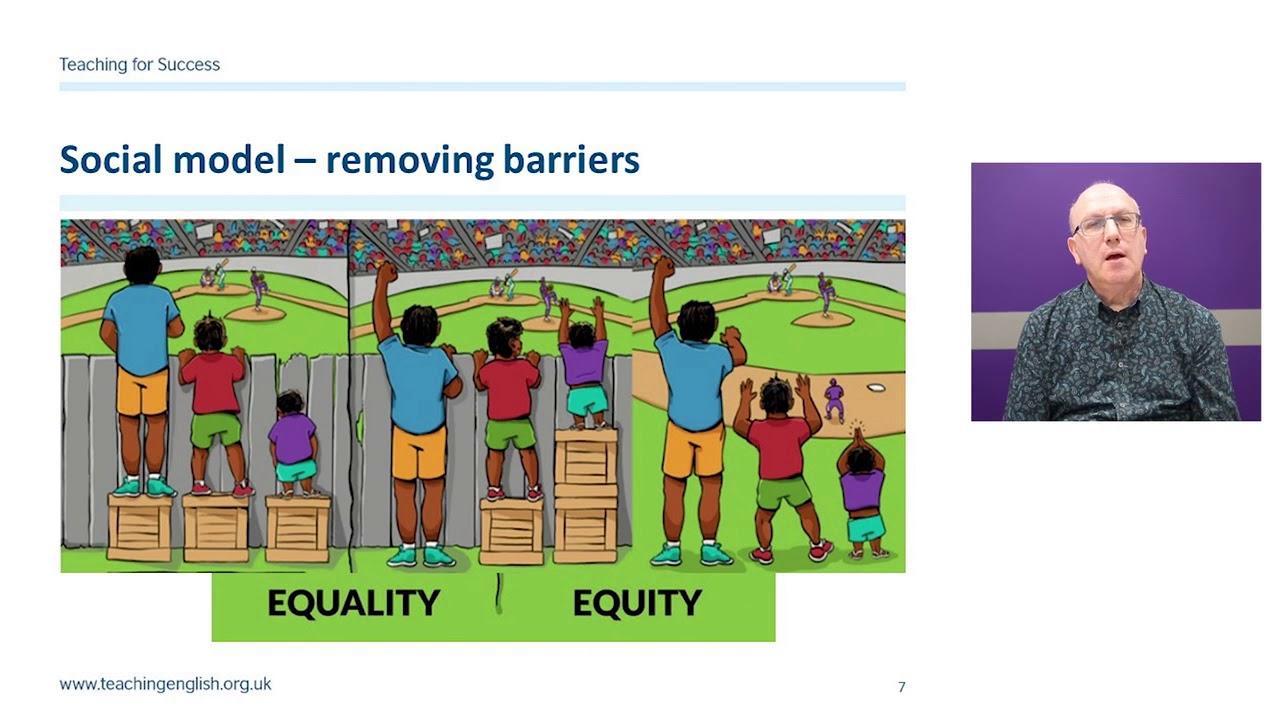
- Promotes equity: Inclusive teaching ensures all students have access to meaningful learning opportunities.
- Supports Diverse Learners: Addresses varied learning needs, backgrounds, languages, and abilities.
- Enhances Student Engagement: Inclusive settings foster higher levels of participation and motivation.
- Reduces Achievement Gaps: Effective training in inclusive education can bridge disparities in academic outcomes.
- Prepares Students for the Real World: Exposure to diverse perspectives helps develop empathy and collaboration skills.
Key Strategies for Training Educators in Inclusive Teaching
Implementing successful teacher training for inclusive education requires a multifaceted approach. Let’s explore the most impactful strategies for preparing educators to deliver high-quality, inclusive instruction:
1. Ongoing Professional Development and Workshops
- Provide regular, structured training tailored to the unique needs of your staff.
- offer both in-person and online professional development focused on topics such as worldwide design for learning (UDL), differentiated instruction, and culturally responsive teaching.
- invite guest speakers or experts to share real-world experiences and best practices.
2. Peer Mentoring and Coaching Programs
- Establish peer coaching systems where experienced teachers support colleagues in implementing inclusive strategies.
- Promote classroom observations and constructive feedback sessions to encourage reflective practise.
- Foster a culture of collaboration rather than competition among educators.
3. Embedding Inclusive Teaching into Pre-Service Education
- integrate inclusive pedagogy as a core component of teacher preparation programs.
- Include practical experiences, such as practicum placements in diverse classrooms.
- Encourage ongoing reflection and adaptation of teaching methods.
4. Utilizing Technology for Inclusive Instruction
- Leverage assistive technologies, adaptive software, and learning management systems to support students with diverse needs.
- Train educators on the effective use of digital tools for differentiation and personalization.
- Promote digital literacy and accessibility standards to ensure all students benefit.
5. Fostering Cultural Competence and Anti-Bias Awareness
- Integrate training on diversity, equity, and inclusion (DEI) which addresses unconscious bias, microaggressions, and culturally responsive practices.
- Encourage educators to reflect on their own identities and experiences to better relate to students from different backgrounds.
- Provide resources and frameworks for inclusive lesson planning and curriculum development.
6.Engaging with Families and the Community
- Host workshops that include parents, guardians, and community leaders in conversations about inclusive education.
- Encourage ongoing interaction with families to understand student needs and circumstances.
7. Continuous Assessment and Feedback
- Implement processes for evaluating the effectiveness of inclusive teaching strategies and training programs.
- Gather input from students, families, and educators to inform ongoing improvements.
Benefits of Comprehensive Training in inclusive Teaching Practices
Training educators in inclusive teaching doesn’t just benefit students—it transforms the entire educational ecosystem. Here’s how:
- Improved Student Outcomes: Schools with a culture of inclusion often see increased academic achievement and greater well-being among all students.
- Teacher Empowerment: Confident teachers are more likely to embrace innovation and foster supportive classroom environments.
- School Reputation: Inclusive schools attract more diverse student populations and highly qualified staff members.
- Social and Emotional Growth: Both students and staff experience greater empathy, collaborative skills, and resilience in inclusive settings.
Practical Tips for Educators: Putting Inclusive Teaching into Practice
While extensive training is essential, small daily improvements can also transform classrooms.Here are some practical, actionable steps for teachers:
- Diversify instructional materials: Ensure that reading, multimedia, and assessment tools reflect diverse experiences.
- Implement flexible seating and grouping arrangements: Allow students choice and autonomy.
- Use formative assessments regularly: Identify student strengths and needed support early and often.
- Promote student voice: Incorporate student input into lesson planning and classroom routines.
- Practice active listening: Understand family, cultural, and linguistic backgrounds to better support every learner.
- Seek continuous feedback: Encourage students and colleagues to share insights for refining inclusive practices.
Case Studies: Schools Leading the Way in Inclusive Teacher Training
Case Study 1: A District-Wide PD Model
In a large suburban school district, a multi-year professional development initiative was launched, focusing on inclusive education. Teachers attended monthly workshops on Universal Design for Learning, collaborated on interdisciplinary lesson planning, and received support through peer coaching. Within two years, the district saw a marked advancement in special education outcomes and increased satisfaction among families.
Case Study 2: Tech Integration for Inclusion
A charter school in an urban area equipped all educators with training in assistive technology and adaptive instructional software—ensuring that teachers knew how to tailor digital assignments for English language learners and students with disabilities. Feedback from teachers indicated greater confidence, and student participation in lessons saw a dramatic rise.
Firsthand Experiences: Voices from the Classroom
“After attending inclusive education training, I felt equipped to differentiate lessons for my students with special needs. The resources shared and strategies modeled have enabled me to foster a more welcoming classroom—one where every student feels seen and heard.”
– Maria L., 5th Grade Teacher
“The shift toward inclusive practices has not only benefited my students but has transformed my approach to teaching.I believe ongoing training is key to creating an habitat where diversity thrives.”
– David S., High School Science Teacher
Conclusion: The Path Forward for Inclusive Education
Elevating education starts with intentional investment in effective training for inclusive teaching practices. By embracing continual professional development, fostering collaborative school cultures, leveraging technology, and centering educational equity, schools can empower educators to meet the needs of all learners. As training practices evolve, the ultimate goal is clear: to ensure that every classroom is a place where diversity is celebrated and every student can thrive. Now is the time to champion inclusive education—one teacher, one classroom, and one school community at a time.