
Emotional Intelligence in Education: Why EQ Matters for Student Success
In today’s dynamic educational landscape, the meaning of emotional intelligence (EQ) has become more recognized than ever.Emotional intelligence in education enables students to understand, manage, and express their emotions effectively, leading to enhanced academic performance, improved relationships, and overall student well-being. This article delves deep into why EQ matters for student success, offering research-backed insights, practical strategies, and inspiring real-world examples.
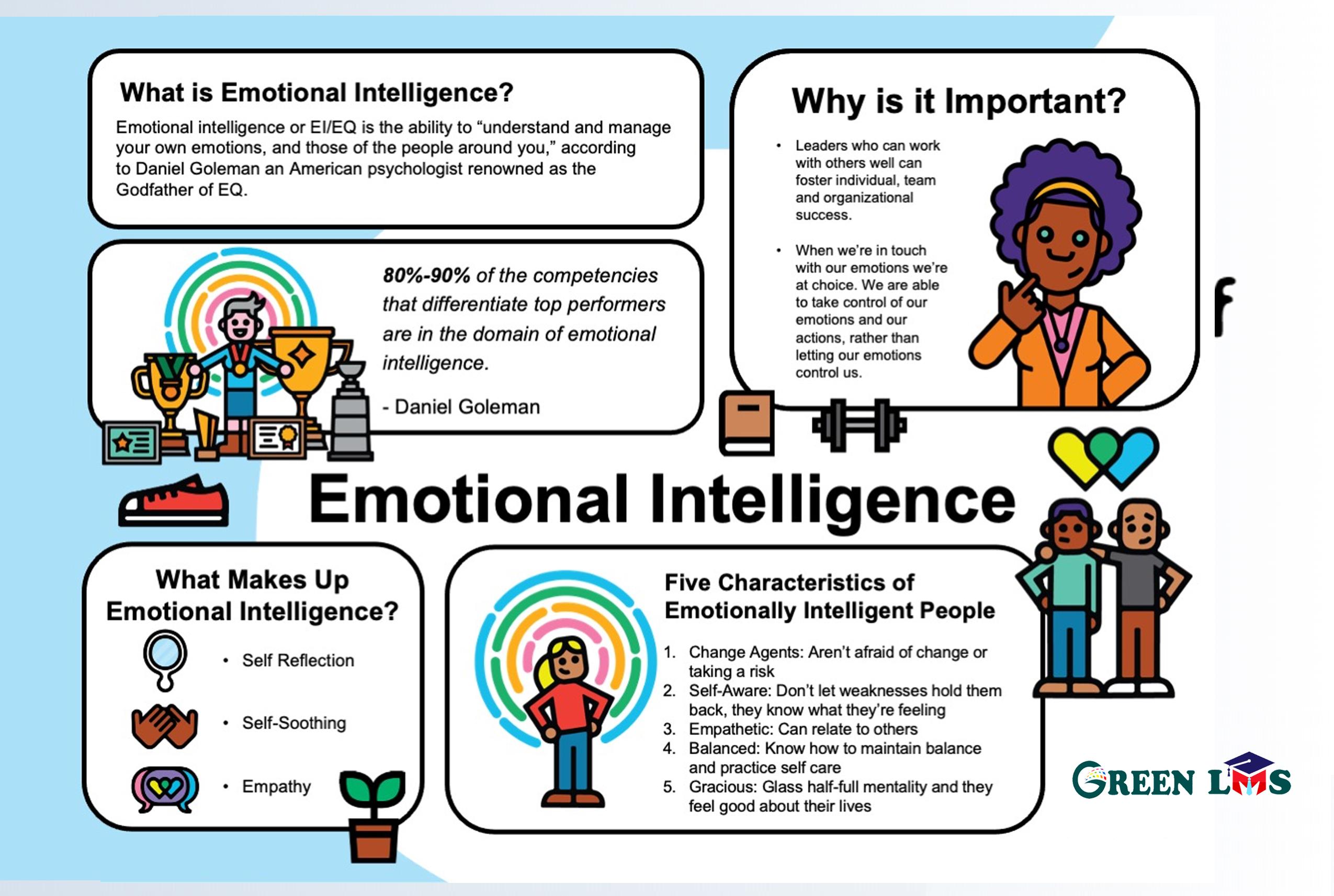
What is Emotional Intelligence (EQ)?
Emotional intelligence, frequently enough referred to as EQ, is the ability to perceive, understand, manage, and regulate emotions—both our own and those of others. Daniel Goleman, a pioneer in EQ research, identified five key components of emotional intelligence:
- Self-awareness: Recognizing one’s own emotions and their effects.
- Self-regulation: Managing emotions and impulses effectively.
- Motivation: Harnessing emotions to pursue goals with energy and persistence.
- Empathy: Understanding the emotions of others.
- Social skills: Building healthy relationships and navigating social networks skillfully.
Within an educational setting, emotional intelligence is central to fostering a nurturing and productive learning surroundings.
Why Emotional Intelligence in Education Matters
Traditionally, academic achievement was measured solely by cognitive intelligence (IQ) and standardized test scores. Though, research shows that EQ is just as vital for student success. Here’s why:
- Boosts Academic Performance: Students with high emotional intelligence tend to be more motivated, focused, and resilient, which translates into better grades and higher test scores.
- Enhances Classroom Behavior: EQ helps reduce behavioral problems like bullying, anger, and anxiety by promoting self-control and empathy.
- Improves Relationships: Students who excel at managing emotions develop stronger friendships and collaborate more effectively with peers and teachers.
- Prepares for Future Success: Emotional intelligence skills are highly valued by employers and are crucial for navigating life’s challenges beyond the classroom.
Incorporating EQ in education isn’t just a trend—it’s an essential shift towards a more holistic approach to learning and student development.
Key Benefits of Emotional Intelligence for Students
- Higher Academic Engagement: Students who can manage their emotions are less likely to become distracted or discouraged by setbacks.
- better Decision-Making: Emotional self-regulation helps students think critically and make informed choices under pressure.
- Reduced Stress and Anxiety: awareness and control of emotions foster mental health and resilience to stress.
- Strengthened Empathy: Empathetic students are kind, supportive teammates who foster an inclusive classroom culture.
- Stronger Leadership Skills: Students with high EQ emerge as natural leaders, able to organize group activities and mediate conflicts.
How Schools Can Foster Emotional Intelligence
Integrating emotional intelligence in education isn’t a one-size-fits-all formula. it requires a thoughtful, intentional approach by educators and school communities. Here are some practical tips to nurture EQ in students:
1. Integrate Social-Emotional Learning (SEL) Programs
Schools can adopt evidence-based Social-Emotional Learning (SEL) programs, which teach students essential emotional and social skills. SEL curricula frequently enough include lessons on self-awareness, relationship-building, conflict resolution, and responsible decision-making.
2. Model emotional Intelligence
Teachers play a crucial role by modeling emotionally intelligent behavior, such as active listening, showing empathy, and managing their own emotions positively in the classroom.
3.Create a Safe and supportive atmosphere
Encourage open conversations about feelings, normalize struggles, and celebrate emotional growth just as much as academic achievement. This creates a safe space where students feel cozy to express themselves.
4. Use Reflective Practices
- Start each day with a check-in—give students the possibility to share their feelings and set intentions for the day.
- Practice mindfulness, meditation, or journaling to help students process emotions.
- Offer regular feedback on both academic and emotional development.
5. Implement Collaborative Activities
Group work, peer mentoring, and cooperative learning activities provide real-life opportunities for students to practice social and emotional skills in a supportive environment.
Real-World Case Studies: EQ in Action
Case Study 1: The RULER Approach at Westbrook Middle School
Westbrook Middle school implemented the RULER program—an evidence-based approach to social-emotional learning. After incorporating RULER, teachers observed a marked advancement in student behavior and engagement. Within two years, disciplinary referrals decreased by 30%, and students reported feeling safer and more connected to their school community.
Case Study 2: The Impact of Mindfulness at Greenfield High
Greenfield High integrated daily mindfulness exercises for students.Consequently, students showed lower levels of stress and anxiety, and their ability to focus improved significantly. Teachers also noticed higher participation rates and a visible boost in classroom cohesion.
First-hand Experience: An Educator’s Outlook
”I’ve been an English teacher for over 15 years, and nurturing emotional intelligence in my classroom has had a profound impact. When students feel understood and supported emotionally, their confidence soars. They participate more, work better with classmates, and overcome challenges without fear of judgment. EQ isn’t a separate skill—it’s the foundation for all learning.”
– Mrs. Sandra Lin, High School Teacher
Tips for Parents: Supporting EQ at Home
Parents are critical partners in developing a student’s emotional intelligence. Here’s how you can support EQ outside the classroom:
- Encourage open, honest conversations about emotions at home.
- model empathy and respectful interaction in daily interactions.
- Recognize and validate your child’s feelings—even when they’re difficult.
- Guide children thru problem-solving rather than offering immediate solutions.
- Praise effort, perseverance, and kindness as much as academic success.
The lasting Impact: Emotional Intelligence for Lifelong Success
Students who develop emotional intelligence in education are not just prepared for academic tests—they’re equipped for life’s challenges. Research consistently shows that high EQ correlates with greater happiness, lower stress, healthier relationships, and career advancement. As the future of education focuses more on holistic development, emotional intelligence truly becomes the key to meaningful, enduring success.
Conclusion: Nurturing Success through Emotional Intelligence in Education
Emotional intelligence is more than a buzzword; it’s a cornerstone for student achievement and well-being. By integrating EQ into education, teachers can foster resilient, empathetic, and high-achieving students. parents and educators working together can create an environment where emotional intelligence thrives—unlocking students’ full potential and paving the way for not onyl academic success, but lifelong fulfillment.