
Emotional Intelligence in Education: Why It Matters for student Success
Emotional intelligence (EI) has become a major talking point in today’s educational landscape.While traditional intelligence (IQ) is undeniably important, research increasingly shows that a student’s ability to understand, manage, and use emotions effectively—what we call emotional intelligence—plays a crucial role in their academic achievement and overall well-being. But what exactly does emotional intelligence in education entail, and why is it such a game-changer for student success? In this article, we’ll explore these questions, offer practical tips, and highlight real-world examples of emotional intelligence in action.
What is emotional Intelligence?
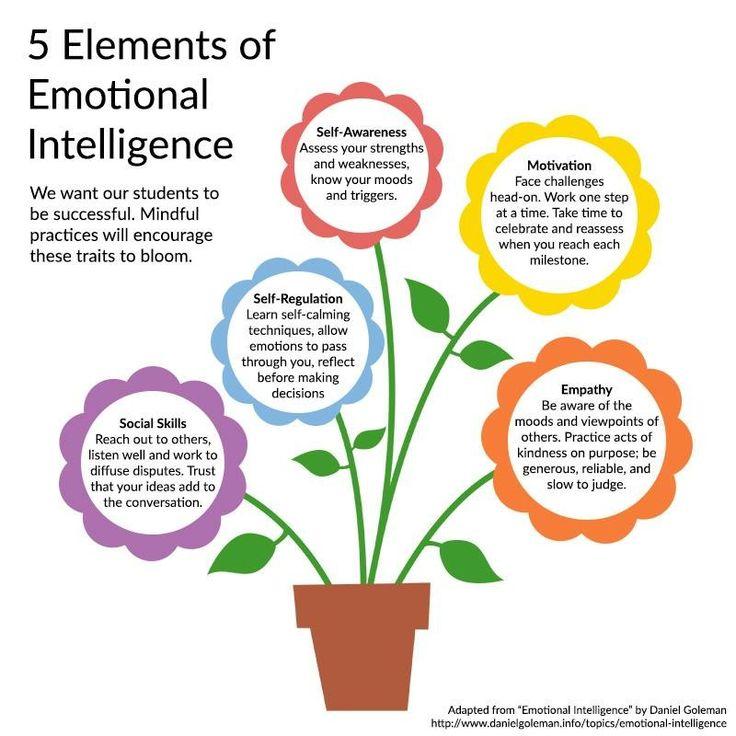
Emotional intelligence refers to the capacity to identify, understand, and manage one’s own emotions, as well as recognize and influence the emotions of others. Psychologist Daniel Goleman outlines five core components of emotional intelligence:
- Self-awareness: Recognizing one’s own emotions and how they affect thoughts and behavior.
- Self-regulation: Managing emotions, impulses, and adapting to changing circumstances.
- Motivation: Harnessing emotions to pursue goals with focus and energy.
- empathy: understanding and sharing the feelings of others.
- Social skills: Building healthy relationships,communicating clearly,and resolving conflicts.
In the context of schools, cultivating emotional intelligence helps students interact harmoniously in the classroom, manage stress, and approach challenges with resilience.
Why Emotional Intelligence Matters for student Success
Emotional intelligence in education is more than a “soft skill”—it is a foundational aspect of effective teaching and learning. Here’s why:
- Improved Academic Performance: Research suggests that students with high EI perform better academically. They are more focused, self-disciplined, and motivated.
- Enhanced Relationships: Emotional intelligence fosters respect, empathy, and teamwork. Students are better able to collaborate,resolve conflicts,and build positive peer relationships.
- better mental Health: Children and teens who can manage their emotions cope more effectively with stress, anxiety, and emotional challenges, leading to higher overall well-being.
- Increased Resilience: When students understand and process their emotions, they are more likely to persevere through setbacks and embrace a growth mindset.
- Life-long Skills: EI is not only valuable in school—these skills are essential for success in the workplace and in personal relationships throughout life.
key Benefits of Fostering Emotional Intelligence in the Classroom
Integrating emotional intelligence into teaching strategies can transform the entire classroom habitat. Here are some notable benefits:
- Positive School Climate: Classrooms emphasize respect, inclusion, and collaboration when EI is prioritized.
- Reduced Bullying: Empathy and self-awareness help reduce aggression, bullying, and disciplinary problems.
- Improved Communication Skills: Students express themselves clearly and listen to others, fostering a culture of understanding.
- Stronger teacher-Student Relationships: Teachers who model and teach EI build trust and a supportive learning environment.
- Greater Student Engagement: Students feel heard and valued, boosting participation and motivation.
Practical Strategies to Foster Emotional Intelligence in Schools
Developing emotional intelligence doesn’t happen overnight, but there are effective strategies educators can use to nurture EI in the classroom:
1. Incorporate Social-Emotional Learning (SEL) Programs
SEL programs are designed to teach the core competencies of emotional intelligence, including self-awareness, self-management, social awareness, relationship skills, and responsible decision-making. Accomplished SEL initiatives integrate these lessons throughout the school day and across subjects.
2. Model Positive Emotional Behaviors
Teachers and staff can demonstrate emotional intelligence by openly discussing feelings, managing their own emotions constructively, and showing empathy towards students and colleagues.
3. Provide Opportunities for Reflection
Encourage students to reflect on their emotions through journaling, discussion circles, or mindfulness exercises. Reflection helps students recognize triggers and patterns in their emotional responses.
4.Foster Open Communication
Develop a classroom culture where students feel safe discussing their emotions, and listen actively to one another.Set aside regular time for group discussions and check-ins.
5. Teach Conflict Resolution Skills
Role-playing, peer mediation, and guided discussions can definitely help students develop the tools they need to resolve conflicts in healthy and constructive ways.
6. Recognize and Celebrate Progress
Acknowledge students’ efforts to express their emotions appropriately and navigate challenging situations, reinforcing positive behaviors and emotional growth.
case Studies: Emotional Intelligence in Action
CASEL’s Impact on Urban Schools
The Collaborative for Academic, Social, and Emotional Learning (CASEL) has helped integrate SEL programs in urban school districts across the U.S. Schools participating in CASEL initiatives have seen:
- higher academic achievement
- Reduced behavioral problems
- Improved class attendance
First-Hand Teacher Experience: Building Empathy in Classrooms
Ms. Julia K., a middle-school teacher in Chicago, introduced daily mindfulness sessions and facilitated open conversations about emotions. In her words: “I noticed a remarkable decrease in classroom disruptions, and students seemed genuinely more supportive of each other.” Her commitment to fostering emotional intelligence not only improved academic outcomes but also created a more caring and resilient learning community.
Practical Tips for boosting Emotional Intelligence at Home and School
- Encourage emotional expression: Teach children that it’s okay to feel and express a range of emotions.
- Practice active listening: Here and validate children’s concerns without judgment.
- Engage in joint problem-solving: Work together to find solutions to emotional challenges.
- Use storytelling: Stories, books, and movies can be tools for discussing empathy, resilience, and other EI themes.
- Promote gratitude and kindness: Regular gratitude exercises or random acts of kindness foster positive emotional habits.
The Proven Link Between Emotional Intelligence and Academic Achievement
Studies consistently show a strong correlation between emotional intelligence levels and academic success.For example,a 2011 meta-analysis published in the journal Child Progress found that students who participated in SEL programs saw an average academic performance increase of 11 percentile points. High EI students demonstrate:
- Greater focus and perseverance
- Enhanced motivation for learning
- More effective study habits
- Lower levels of test anxiety and stress
These findings make it clear that prioritizing emotional intelligence in education doesn’t just shape kinder, more empathetic individuals—it also leads to measurable academic gains.
Conclusion: A Brighter Future Through Emotional Intelligence
Emotional intelligence is much more than a buzzword—it is indeed a powerful driver of student achievement, well-being, and life-long personal and professional success. By making emotional intelligence a central focus in education, teachers and parents give students the tools they need not only to excel academically, but to thrive socially and emotionally in an ever-changing world.
As the landscape of education continues to evolve, embracing emotional intelligence will unlock the full potential of every student. Start fostering EI today and watch your students grow into confident, compassionate, and successful individuals.