
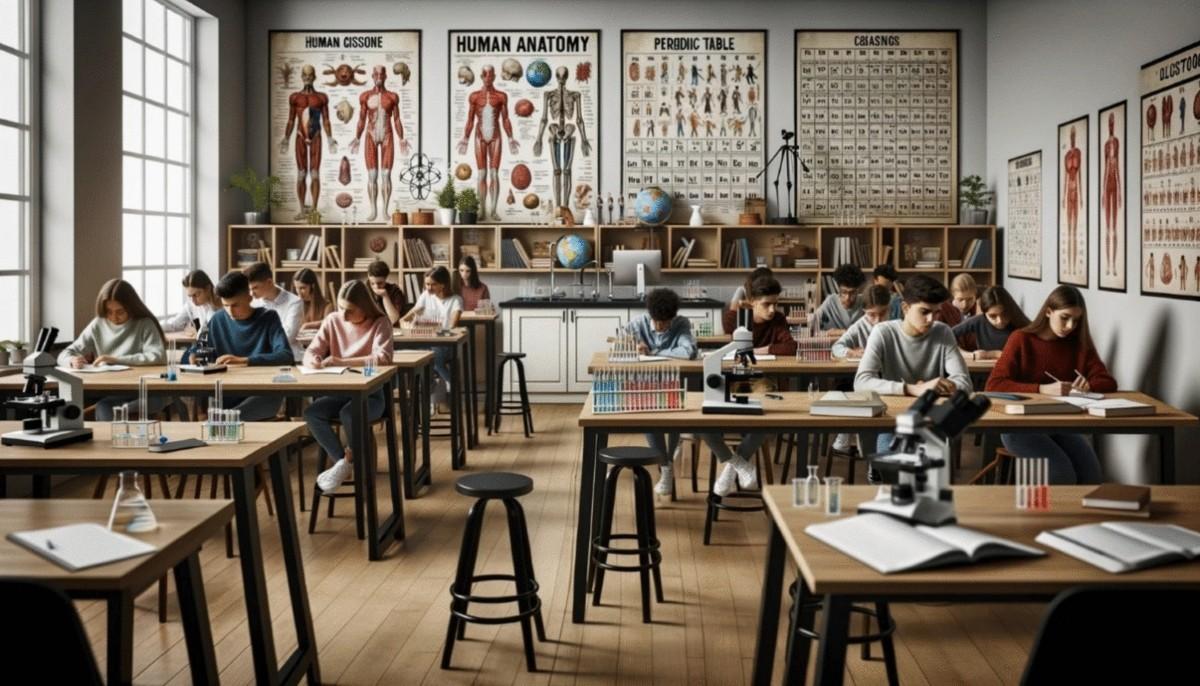
Empowering Classrooms: top Sustainable Technologies Transforming Educational Settings
In the rapidly evolving landscape of modern education, sustainability has become a cornerstone principle. As schools worldwide grapple with climate change, resource limitations, and the need for future-ready learning environments, the adoption of sustainable technologies in classrooms is transforming not only how students learn, but also the overall impact educational institutions have on our planet. Let’s dive into the innovative world of eco-conscious educational solutions and see how technology is empowering classrooms for a greener tommorow.
Why Sustainable Technologies Matter in Modern Classrooms
The integration of green technology in education offers a win-win scenario: reducing the environmental footprint of schools while promoting an engaging, interactive, and forward-thinking learning habitat. Educational institutions embracing sustainable classroom technologies benefit from:
- Lower operational costs: Energy-saving devices and sustainable resources lower utility bills.
- Healthier environments: Improved indoor air quality and natural lighting boost student well-being.
- Future-proof learning: Prepares students for STEM and green tech careers by fostering digital literacy and ecological awareness.
- Positive community impact: Sets eco-pleasant examples that inspire broader environmental stewardship.
Top Sustainable Technologies Transforming Educational Settings
Let’s explore the most impactful sustainable technologies for classrooms that are reshaping the face of 21st-century education:
1. interactive Digital Whiteboards & Paperless Learning
Replacing traditional chalk or marker boards, interactive digital whiteboards (such as SMART Boards) reduce the need for consumable supplies and allow paperless, collaborative learning. Key benefits include:
- Facilitates multimedia lessons, supporting diverse learning styles.
- Reduces paper and print waste with digital note-taking and resource sharing.
- Promotes student engagement through interactive activities and real-time feedback.
2. Solar-Powered Classrooms
solar panels are being installed on educational campuses worldwide, providing a renewable energy source that powers electricity, heating, and even computing devices. Highlights include:
- Decreases reliance on non-renewable energy grids.
- Promotes green energy education through hands-on monitoring of solar performance and savings.
- Lowers energy bills, offering budget savings for further classroom innovation.
3. Energy-Efficient Lighting and Climate Control
Transitioning to LED lighting and smart thermostats significantly trims energy usage. Many schools now utilize:
- LED Bulbs: Up to 80% more efficient than traditional bulbs and last far longer.
- Motion Sensors: automatically switch lights on/off based on occupancy to prevent waste.
- Smart Climate systems: Maintain optimal classroom environments with programmable, energy-conscious settings.
4. Virtual and Augmented Reality (VR/AR) Tools
VR and AR educational platforms offer immersive learning experiences while reducing the need for physical models,travel,or material consumables. Examples include:
- Virtual science labs replacing costly and wasteful physical setups.
- augmented textbooks bringing lessons to life without additional paper or single-use components.
- Virtual field trips, eliminating transportation emissions.
5. Eco-Friendly Classroom Furniture & Materials
Schools are increasingly sourcing classroom furniture made from recycled plastic, responsibly harvested wood, and non-toxic materials.Benefits:
- Improves indoor air quality and student health.
- Reduces landfill waste from discarded furniture.
- Supports circular economy principles in education.
6. Cloud-Based Learning Platforms
Cloud computing has revolutionized educational resource sharing. By shifting to digital platforms like Google Classroom and microsoft Teams, schools can:
- Reduce dependence on printed materials.
- Enable remote learning, cutting down commuting emissions.
- Simplify collaboration while minimizing server infrastructure onsite.
Benefits of Sustainable Technologies in Educational Settings
Adopting sustainable technologies in educational settings brings measurable, long-term benefits:
- Financial Savings: Lowered energy bills and minimized resource replenishment costs over time.
- Student engagement: Interactive, tech-rich lessons foster deeper interest and participation.
- Reduced Carbon Footprint: supports institutional pledges towards net-zero emissions.
- Modern Skill Building: Prepares students for eco-conscious careers in technology and science sectors.
Practical Tips for Implementing Sustainable Technologies in Schools
Integrating green technology in educational environments doesn’t have to be overwhelming. Here are actionable steps to get started:
- Start with an energy audit: Assess classrooms for improvement in lighting, HVAC, and device usage.
- Pilot digital initiatives: Begin with a single grade or department to test digital whiteboards and cloud-based tools.
- Seek grants and funding: Explore government or nonprofit subsidies for solar panels and green upgrades.
- train teachers and students: Offer professional development around efficient tech usage and eco-friendly practices.
- Promote a culture of sustainability: Encourage recycling programs and student-led sustainability clubs.
Case Studies: Real-World Examples of Sustainable Classrooms
Case Study 1: Solar-Powered Schools in California
The Los Angeles Unified School District installed over 60 megawatts of solar panels, cutting its energy consumption by 60%. The shift not only saved $8 million a year on utility bills but also incorporated clean energy lessons and student monitoring programs into the curriculum, making sustainability a core part of daily learning.
case Study 2: Digital Transformation in Finland
Schools in Helsinki have adopted 1:1 device programs and cloud-based learning, slashing paper usage by 70% and streamlining communication. Teachers reported increased student motivation and collaboration, showing that digital platforms can directly enhance both sustainability and educational outcomes.
First-Hand Experiance: Teacher Testimonial
“As our school switched to solar energy and implemented smart boards, student engagement has soared and we’ve noticeably reduced waste. Our classroom now feels more connected to real-world issues, and students are proud to be part of the solution!”
– Emily S., 5th Grade Teacher
Overcoming Challenges: Moving Towards Sustainable Education
While the adoption of sustainable technologies in schools is ultimately rewarding, common challenges include upfront costs, resistance to change, and ensuring equitable access. To forge a successful path:
- Start small and expand as success stories build momentum.
- engage stakeholders—teachers, students, parents—in planning and feedback.
- Address digital divides by ensuring devices and internet access for all students.
- Seek partnerships with local businesses or green technology providers for sponsorships or discounts.
Conclusion: shaping the future of Sustainable Education
Empowering classrooms through sustainable technologies is not just an environmental imperative—it’s an investment in better learning, healthier students, and a brighter planetary future.As educational institutions continue to led by example, the marriage of innovation and eco-consciousness will guide the next generation towards a more sustainable world. By embracing these transformative technologies,schools can nurture not only knowledge,but also the values and skills critical for building resilient,sustainable communities.
For schools at the beginning of their sustainability journey, every small step—from upgrading lighting to integrating cloud platforms—can make a meaningful difference. Together, educators, students, and communities can create learning environments that are as inspiring as they are eco-friendly.