
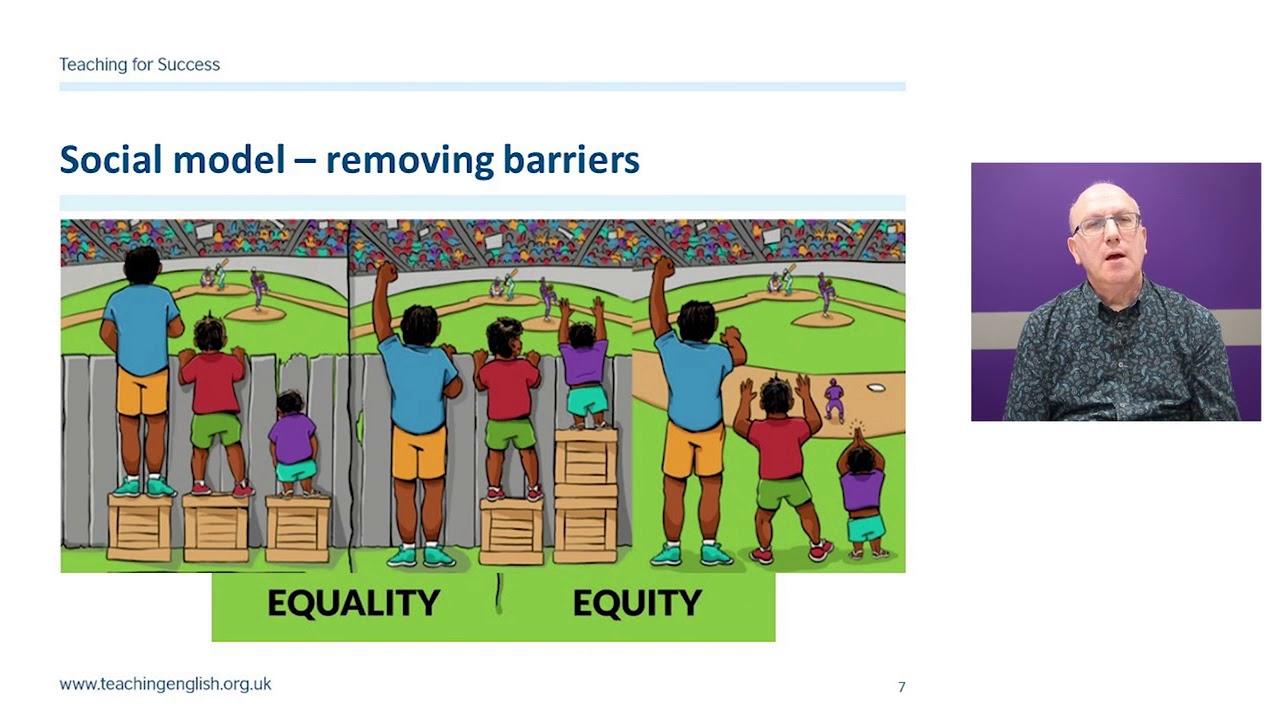
Empowering Educators: Effective Strategies for Training in Inclusive Teaching Practices
Introduction: The Importance of Inclusive Teaching
In today’s diverse educational landscape, educators are increasingly called upon to create classrooms where every student feels valued and can thrive. Inclusive teaching practices empower teachers to address the unique learning needs of all students,including those with disabilities,different cultural backgrounds,and varying learning styles. However, equipping educators with the necessary skills for inclusive education demands thoughtful, ongoing training.This article explores effective strategies for training educators in inclusive teaching practices, offering practical tips, benefits, and inspiring real-world examples.
What Are Inclusive Teaching Practices?
Inclusive teaching refers to instructional methods that recognize and accommodate the diverse needs of students. This approach ensures that everyone, nonetheless of background, ability, or learning difference, can access and engage with the curriculum. Key elements of inclusive teaching practices include:
- Universal Design for Learning (UDL)
- Differentiation and scaffolding
- Culturally responsive pedagogy
- Collaborative and cooperative learning
- Positive classroom management strategies
By embracing these practices, educators not only foster academic success for all learners but also contribute to a more equitable and welcoming school culture.
Benefits of Training Educators in Inclusive Teaching Practices
Investing in professional advancement for inclusive teaching brings significant benefits to teachers, students, and the wider school community. Let’s explore the key advantages:
- Increased student engagement: When classrooms reflect the diverse needs of students,participation and motivation rise.
- Improved learning outcomes: Differentiated instruction and UDL approaches enable all students to reach their potential.
- Fostering a culture of belonging: Inclusive practices reduce stigma and help every child feel respected and valued.
- professional growth for educators: Teachers become more skilled, adaptable, and confident in addressing classroom diversity.
- Compliance with educational standards: Many regions mandate inclusive education,making targeted training essential.
Effective Strategies for Training in inclusive Teaching Practices
Even the most passionate educators need practical training and support to integrate inclusive teaching practices successfully. The following strategies have proven effective in empowering teachers at all career stages:
1. Interactive Workshops and Hands-On Training
- Role-playing and simulations: Allowing educators to experience classroom scenarios fosters empathy and problem-solving skills.
- Guided lesson planning: Teachers can co-create inclusive lesson plans and receive feedback from experienced facilitators.
2. Peer Collaboration and Professional Learning Communities (PLCs)
Establishing PLCs allows educators to share challenges, strategies, and successes.Collaboration creates a supportive atmosphere and encourages the spread of best practices.
3.Online Training Modules and Blended Learning
- Flexible access: E-learning platforms support self-paced development, accommodating teachers’ busy schedules.
- Multimedia resources: Videos, interactive quizzes, and forums cater to different learning preferences and improve retention.
4. Mentorship and Coaching
Pairing novice teachers with experienced mentors helps bridge the gap between theory and practice. Regular coaching sessions provide ongoing feedback and individualized guidance.
5. Reflective Practice and Action Research
- Self-assessment tools: Encouraging educators to reflect on their teaching fosters awareness and growth.
- Classroom-based research: Teachers can experiment with new strategies and evaluate their impact on student outcomes.
6. inclusive policy and Leadership Support
School leaders should champion inclusive education by providing resources, time for collaboration, and a clear vision. Supportive leadership empowers teachers to put training into practice.
Practical Tips for Implementing Inclusive Teaching Practices
Translating training into everyday teaching requires practical, actionable steps. Here are some essential tips for educators committed to inclusivity:
- Use flexible seating and adaptable resources. Give students choice in how and where they learn.
- Offer multiple means of engagement, representation, and expression. Apply UDL principles by providing information in various formats (audio, visual, hands-on).
- Build strong relationships. Get to know students’ individual interests, strengths, and challenges.
- Incorporate culturally relevant materials. Ensure classroom resources reflect students’ backgrounds.
- Encourage collaboration and peer learning. Group work can foster a sense of community and shared obligation.
- emphasize growth mindset. Celebrate effort, resilience, and progress over perfection.
Case Study: A School’s Journey Toward Inclusion
Valley View Elementary faced challenges as its student body became increasingly diverse, including students with learning disabilities and those for whom English was a second language. Recognizing the need for change, school leaders invested in inclusive teaching training for all staff.
- Action: Faculty attended interactive workshops on UDL and participated in PLCs focused on differentiation.
- Results: Student engagement increased, reading and math scores improved across all subgroups, and teachers reported higher job satisfaction.
- Ongoing support: The school continues to provide coaching and collaborates with families to ensure continuous advancement.
This example highlights how a systemic commitment to inclusive professional development transforms outcomes for everyone involved.
Firsthand Perspective: An Educator’s Reflection
“Participating in inclusive teaching workshops was a game-changer for me. I learned how small adjustments—like providing visual supports or allowing alternative ways of demonstrating understanding—could make a huge difference for my students. Our support network of colleagues made it feel less overwhelming, and now, our classroom feels like a place where everyone belongs.”
– Jamie, Grade 5 Teacher
Conclusion: Building Schools Where Everyone Thrives
Empowering educators with effective training in inclusive teaching practices is one of the most impactful steps towards equity in education. By investing in research-based strategies, fostering collaborative learning environments, and supporting continuous growth, schools can ensure all teachers are equipped to meet the diverse needs of their students. the journey to inclusivity may require commitment and adaptation, but the rewards—a thriving, welcoming classroom for every learner—are well worth the effort. Together,we can transform schools into places where everyone has a seat at the table and an chance to succeed.