
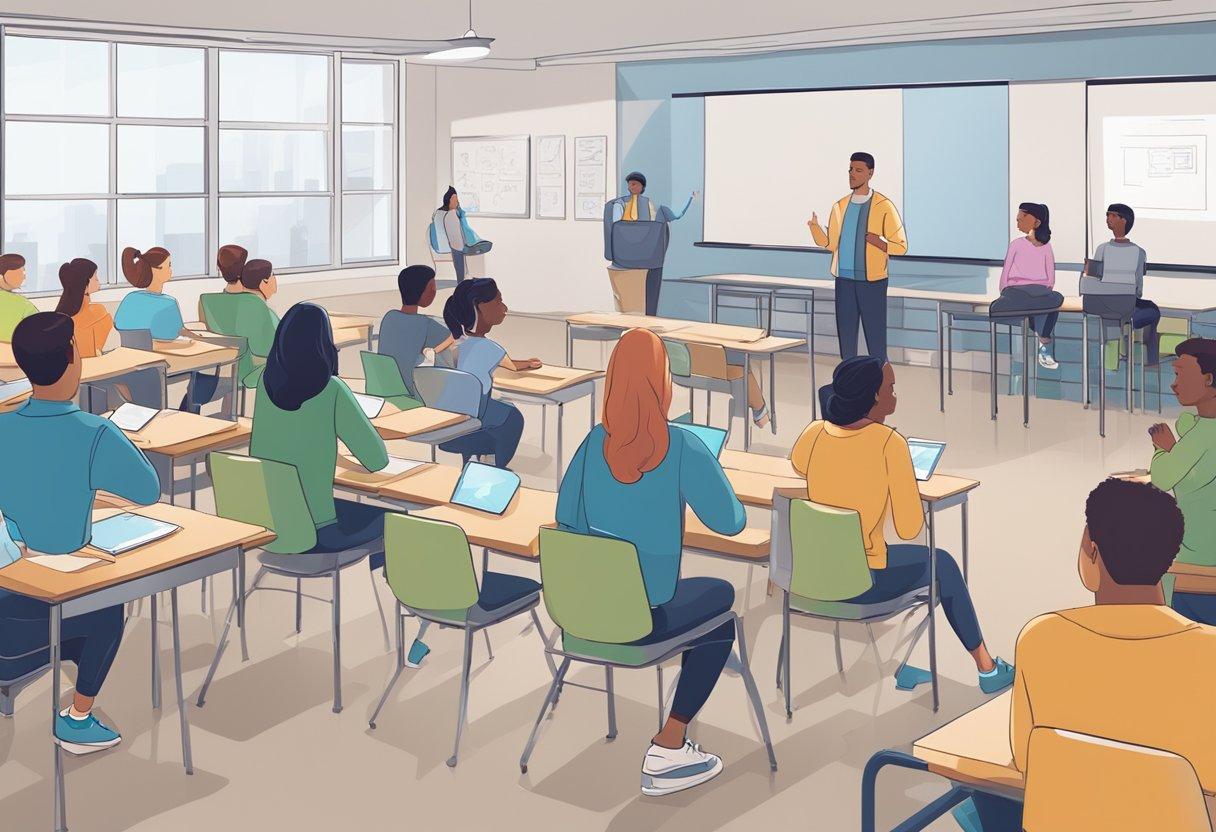
Empowering educators: Effective teacher Training for AI-Integrated Classrooms
The rapid evolution of artificial intelligence (AI) is transforming education at every level. From personalized learning pathways to smart assessment tools,AI integration in classrooms is no longer a futuristic vision—it’s today’s reality.For schools worldwide to harness the full potential of AI, empowering educators through effective teacher training for AI-integrated classrooms is paramount. So how can schools and educational leaders ensure teachers are not just tech-savvy, but AI-ready? Explore proven strategies, inspiring examples, and actionable tips below.
Why AI Integration Matters in modern Classrooms
AI technologies are reshaping the teaching and learning landscape:
- Personalized learning adapts to each student’s pace and style.
- Smart assessment tools automate grading and provide targeted feedback.
- Predictive analytics identifies learning gaps and at-risk students early.
- Virtual tutor systems enhance classroom support and engagement.
Teachers sit at the heart of this transformation. But to truly benefit from AI, educators require more than basic digital skills—they need confidence, AI literacy, and practical support to integrate these tools effectively.
The Importance of Effective Teacher Training for AI
Triumphant AI integration begins with high-quality, ongoing professional development:
- Bridges the gap between new technology and pedagogical practice.
- Fosters critical thinking about ethics, data privacy, and responsible AI use in education.
- Boosts teacher confidence with practical, hands-on experience using AI tools.
- Improves student outcomes by supporting personalized and data-driven instruction.
Key Elements of an Effective AI Teacher Training Program
To empower educators,a teacher training program for AI-integrated classrooms should include the following core elements:
- foundational AI Literacy: Teachers need to understand AI basics—what it is,how it works,its limits,and potential.
- Pedagogical Integration Training: Linking AI tools to proven teaching frameworks, lesson planning, and classroom activities.
- Data Privacy & Ethics Workshops: Emphasizing issues like GDPR compliance, data protection, fairness, and inclusivity.
- Hands-On Experience: Allowing teachers to experiment with real AI-edtech platforms, adaptive assessments, and classroom analytics.
- Collaborative Learning Communities: Enabling knowledge-sharing, peer mentorship, and the collective brainstorming of best practices.
- Continuous Support & Feedback: Ongoing coaching, webinars, and online resources keep skills fresh and foster confidence.
Benefits of Empowering educators through AI Training
- Increased educator engagement and job satisfaction.
- higher student achievement and motivation through personalized learning strategies.
- Improved classroom management with predictive analytics and intelligent scheduling.
- More effective interventions for struggling students, thanks to data-driven insights.
- Greater equity and inclusion by tailoring instruction for diverse student needs.
Practical Tips for Schools Rolling Out AI Teacher Training
- Start with a needs assessment: Understand your teachers’ comfort levels, current skills, and aspirations.
- Partner with edtech experts: collaborate with AI vendors or educational institutions specializing in technology training.
- Blend online and in-person sessions: flexible,hybrid professional learning fits busy schedules.
- Prioritize ethical literacy: Make data privacy, digital citizenship, and bias awareness non-negotiable elements.
- Encourage sharing and co-teaching: Build supportive professional learning communities within your school or district.
Case Studies: AI-Integrated Teacher Training in Action
Case Study 1: Helsinki, Finland
The Helsinki city school district rolled out a multi-phase AI teacher training program. Initial workshops covered AI fundamentals, followed by hands-on sessions using adaptive learning platforms. Teachers formed “AI Champion” committees to share tips and challenges. After one year, 86% of teachers reported greater confidence in using AI tools, while student engagement metrics improved by 21%.
Case Study 2: San Jose Unified School District,USA
San Jose Unified piloted an AI classroom management tool for remote learning. Teachers underwent a month-long blended training, focusing on both technical skills and ethical issues. The program included regular peer-led webinars. Teachers not only adopted the tool widely but felt equipped to critically evaluate new AI technologies.
First-Hand Experience: A Teacher’s Viewpoint
“as someone who was initially overwhelmed by AI, the training provided a clear, approachable structure. Learning alongside other teachers, testing real classroom scenarios, and openly discussing concerns around data privacy made all the difference. Now, I leverage AI for individualized feedback, and my students are more motivated than ever!”
– Sarah Liu, Grade 7 Science Teacher
Overcoming Challenges: Common Obstacles & Solutions
-
Lack of time:
Solution: integrate training into existing professional development schedules and offer on-demand modules.
-
Resistance to change:
solution: Start small with pilot programs and highlight positive outcomes from early adopters.
-
Concerns about data privacy:
Solution: Build awareness through dedicated privacy and ethics training.
-
Resource constraints:
solution: Leverage free online AI education resources, open-source platforms, and collaborative partnerships.
Conclusion: Fostering a Future-Ready Educator Workforce
AI is here to stay in K-12 and higher education, offering unprecedented opportunities for both teachers and students. But successful adoption hinges on empowering educators with the right training, support, and community. Schools that invest in robust AI teacher training programs not only future-proof their classrooms but create a culture of innovation, inclusivity, and continuous growth.
As we look ahead, let’s ensure every educator is ready to unlock the full potential of AI-integrated classrooms—for the benefit of our students and society at large. Now is the time to empower, inspire, and support our teachers on this transformative journey.