
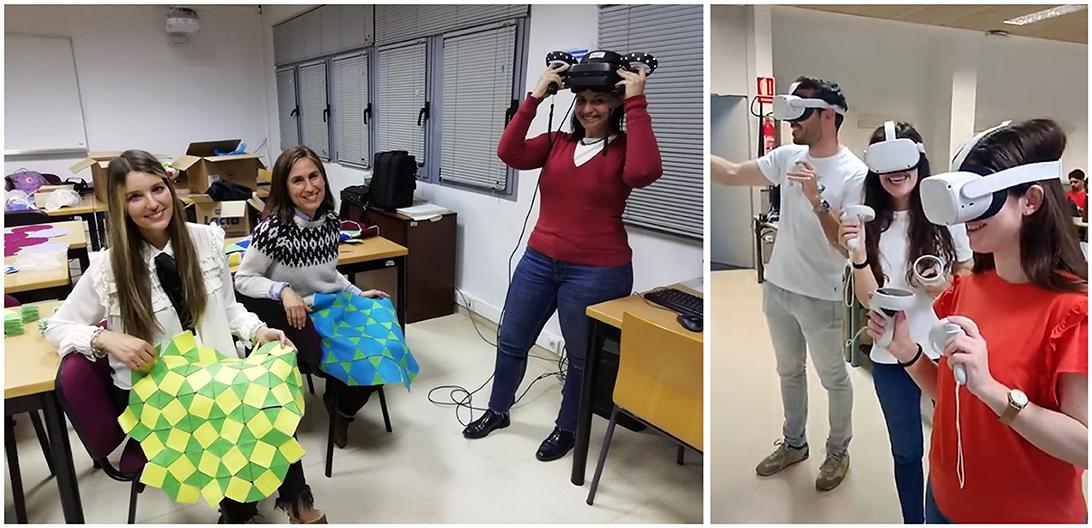
Empowering Educators: Effective Training for VR/AR Classroom Integration
Virtual Reality (VR) and Augmented reality (AR) are rapidly transforming educational landscapes, offering immersive experiences that captivate student interest and enhance understanding. Though, for schools and educators to harness the true potential of VR/AR, strategic training and continuous professional development are key. This complete guide explores how effective VR/AR classroom integration training empowers educators, creating a vibrant, interactive learning environment, while providing valuable insights, practical tips, and real-world case studies.
introduction: Embracing VR/AR in Education
the adoption of Virtual Reality (VR) and Augmented Reality (AR) technologies in classrooms is more than an innovation—it’s a revolution. These immersive technologies make abstract concepts tangible, boost engagement, and accommodate diverse learning styles. Though, the journey from novelty to meaningful classroom integration starts with well-trained educators. This article shares proven strategies for empowering teachers, highlights key benefits of VR/AR in education, and offers actionable guidance for accomplished implementation.
Why Effective Training matters for VR/AR Classroom Integration
Introducing VR/AR tools without adequate training leaves educators overwhelmed and hinders student outcomes. Effective professional development ensures that teachers confidently use,adapt,and assess immersive technology,ultimately benefiting students. Key reasons why training is essential include:
- Bridging the skills gap: Not all educators are tech-savvy; targeted training closes the gap.
- Maximizing educational impact: Teachers learn how to align VR/AR experiences with curriculum objectives.
- ensuring classroom safety: Proper training addresses hardware usage and management of potential digital distractions.
- Promoting equity: Equal access to training ensures inclusive learning for all students across schools.
Key Components of Effective VR/AR Teacher Training
A successful VR/AR classroom integration programme prioritizes hands-on,ongoing support for educators. Consider these core elements:
1. Foundational Skills and Literacy
- Device Handling: Training covers basic setup, troubleshooting, and maintenance of VR headsets and AR devices.
- Platform navigation: Understanding software interfaces, content libraries, and digital resources.
- Safety Protocols: Guidelines for safeguarding student privacy and managing immersive environments.
2. Curriculum Alignment
- Lesson Plan Integration: Techniques for embedding VR/AR activities within standard lessons.
- Learning Outcome Mapping: Aligning immersive experiences with specific educational objectives.
3. pedagogical Strategies
- Differentiated Instruction: Adapting VR/AR to various learning styles and abilities.
- Assessment methods: Evaluating student learning and engagement in immersive settings.
4.Ongoing Professional Support
- Peer Collaboration: Encouraging communities of practice or teacher networks focused on VR/AR.
- Continuous Learning: Providing webinars, workshops, and resource updates to keep educators current.
Benefits of VR/AR Integration for Teachers and Students
Training empowers educators to maximize the benefits of VR/AR technology, such as:
- active Learning: Students participate in immersive simulations and virtual field trips that deepen comprehension.
- Increased Engagement: Gamified AR experiences and interactive VR scenarios capture attention and motivate learners.
- Enhanced Collaboration: Multi-user environments foster teamwork and communication skills.
- Accessible Learning: VR/AR enables students with different needs to explore concepts at their own pace.
From a teacher’s viewpoint, effective training eases technology adoption, builds confidence, and inspires creativity:
- Reduces apprehension among educators unfamiliar with immersive tools.
- promotes innovative teaching methods.
- Simplifies classroom management through structured VR/AR activities.
Practical Tips for Implementing VR/AR integration Training
Looking to design or enhance your school’s VR/AR professional development program? Consider these evidence-based tips:
- Start with pilot programs: Select a small group of enthusiastic educators to test VR/AR lessons before full-scale deployment.
- Leverage vendor support: many VR/AR hardware and software providers offer free or low-cost tutorials, lesson plans, and technical guidance.
- Blend in-person and online formats: Hybrid training models cater to teachers’ schedules and learning preferences.
- Foster peer mentorship: Pair experienced technology users with novice educators for co-teaching and coaching.
- Set clear benchmarks: Define measurable goals for VR/AR integration tied to student outcomes and teacher usage.
- Solicit regular feedback: Encourage ongoing input from educators to improve training content and delivery.
Case Studies: Successful VR/AR Classroom Integration
Case Study 1: Bringing History to Life with VR (Middle School)
A middle school in California launched a VR pilot program in the social studies department. Teachers attended a series of VR classroom integration workshops, learning to use headsets and tailor experiences to ancient topics. Within weeks, engagement soared as students explored ancient civilizations in virtual environments. teachers reported improved comprehension and enthusiasm, attributing success to targeted training and collaborative lesson planning.
Case Study 2: AR Math Labs (Elementary School)
An elementary school in London embraced AR to teach geometry and measurement. After participating in hands-on AR teacher training, staff incorporated AR apps to visualize shapes and solve spatial puzzles. The school measured a 30% increase in math scores within one semester, with educators praising the training’s emphasis on curriculum alignment and easy-to-use resources.
Case Study 3: Continuous Support and Peer Learning (high school STEM)
A STEM-focused high school in singapore established a dedicated teacher mentoring program for VR/AR integration. Weekly peer sessions and online training modules encouraged knowledge-sharing and troubleshooting. The supportive environment helped teachers progress from basic device handling to designing advanced interactive simulations, resulting in higher engagement and deeper student learning.
First-Hand Experience: Teacher Testimonials
“I was hesitant at first, but after training and support, VR has become an invaluable part of my science classes. The hands-on simulations help students understand complex processes much better than textbooks alone.”
— Maria Lopez, Science Teacher
“AR math apps transformed my teaching. Training helped me create interactive lessons—even shy students started participating actively!”
— David Kim, Elementary Math Educator
Best Practices for Lasting VR/AR Professional Development
Ensuring long-term success in VR/AR classroom integration requires strategic approaches to professional development:
- Institutional Commitment: School leadership must allocate resources and time for ongoing training.
- Responsive Tech Support: Quick-response troubleshooting teams reduce barriers to VR/AR adoption.
- Update and Refresh: Continually update content and training approaches as technology evolves.
- Celebrate Success: Showcase classroom achievements to inspire more educators to join VR/AR initiatives.
Conclusion: Unlocking the Future of Learning with Empowered Educators
Integrating VR/AR technology into the classroom is a journey that begins with strong, effective teacher training.By empowering educators, schools unlock new dimensions of learning—where students not only consume knowledge but experience it firsthand. Well-designed VR/AR professional development programs foster collaboration, innovation, and lasting educational impact. As more teachers become agreeable and confident with immersive technologies, the boundaries of the classroom expand, paving the way for a future where every learner thrives.
Ready to empower your teaching team? Invest in effective VR/AR classroom integration training and watch your educational community innovate, inspire, and excel.