
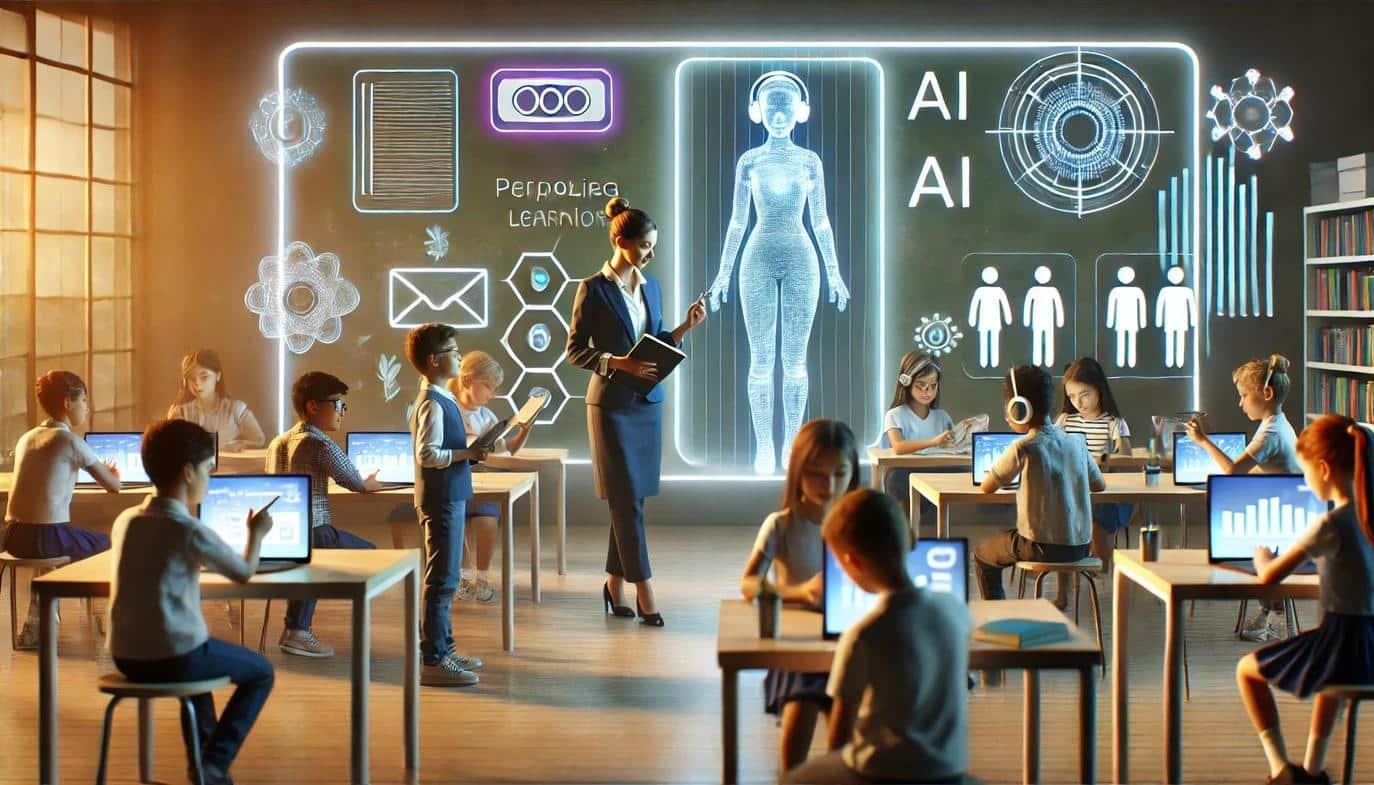
Empowering Educators: Essential Strategies for Training Teachers in AI-integrated Classrooms
As artificial intelligence (AI) rapidly transforms education, classrooms are evolving into dynamic hubs for personalized and engaging learning. The success of an AI-integrated classroom depends not just on technology but—crucially—on teachers who understand how to harness these innovations. Empowering educators wiht targeted training is essential.This article offers actionable strategies, practical tips, and real-world insights so teachers can confidently led the next generation of tech-enabled learners.
Why Training Teachers in AI-Integrated Classrooms Matters
- Bridges the digital skills gap: Ensures all educators can navigate AI-powered tools confidently.
- Boosts student outcomes: teachers well-versed in AI can tailor instruction and assessment to individual needs.
- Fosters lifelong learning: Empowers educators themselves to adapt and grow in a rapidly changing world.
- Encourages responsible AI use: Promotes ethical integration, digital citizenship, and data privacy.
Key Benefits of Empowering Educators with AI Training
- Enhances personalized learning and adaptive instruction using platforms that analyze student progress.
- Automates repetitive tasks (grading, lesson planning), freeing teachers to focus on creativity and mentorship.
- Encourages data-driven decision making for more effective teaching strategies.
- Prepares students for future careers through exposure to cutting-edge technology in the classroom.
Essential Strategies for Training Teachers in AI-Integrated Classrooms
A holistic approach to professional advancement ensures teachers maximize the benefits of AI tools while managing challenges. Here are proven strategies:
1. Start With the Basics of AI Literacy
-
Offer foundational workshops to demystify artificial intelligence in education—what AI is, what it isn’t, and how it’s being used.
-
Use simple, relatable examples (e.g., smart assistants, adaptive learning apps) to illustrate AI concepts.
-
Create “AI 101” resources tailored for educators regardless of prior tech expertise.
2. Provide Hands-On, Contextual Training
-
Allow teachers to experiment with AI tools relevant to their subjects—like AI-powered language learning apps, plagiarism checkers, or math software.
-
Incorporate real classroom scenarios during training so educators see concrete benefits and limitations.
-
Utilize microlearning modules and video tutorials for versatility and self-paced learning.
3. Foster Peer Collaboration and Professional Learning communities (PLCs)
-
Establish regular meetings or online forums for teachers to share AI integration successes, challenges, and creative solutions.
-
Recognize and nurture teacher leaders or “AI champions” within schools who can mentor peers.
4. Address Ethical, Privacy, and Equity concerns
-
Discuss issues like algorithmic bias, data security, and responsible AI use.
-
Provide guidance on choosing obvious, student-safe AI tools.
5. Encourage Reflective Practice and Continuous Feedback
-
Use reflective journals or digital portfolios for teachers to document AI integration experiences and insights.
-
Gather ongoing feedback to refine training content and address emerging needs.
6. Integrate AI Professional Development Into School Culture
-
Align AI PD with curriculum goals,not as an “add-on.” Ensure leadership support for sustainability.
-
Celebrate milestones and encourage innovation through positive reinforcement.
Practical Tips for Effective AI Teacher training
- Set clear, practical goals for each training session (e.g.,“learn to use AI essay grading tool in 30 minutes”).
- Use blended learning formats (combining live workshops with online modules) for accessibility.
- Offer ongoing tech support through helpdesks or quick-access guides.
- Initiate classroom pilot programs for new AI technologies before large-scale rollout.
- Gather teacher and student feedback to continuously improve AI integration processes and professional learning.
Case study: Real-World Success With AI Teacher Training
In 2022, edgeville launched an in-house “AI in the Classroom” initiative. Over 200 teachers participated in a series of workshops featuring hands-on use of AI lesson planning tools and adaptive learning platforms. Teacher feedback highlighted substantial reductions in grading time and increased student engagement. Peer mentorship was vital: by building a network of “AI Ambassadors,” even less tech-confident staff gained confidence. A year later, standardized scores in reading and math had improved district-wide by 8%.
First-Hand Experiences: Teacher Perspectives on AI in the Classroom
Many teachers have found empowerment and renewal through AI professional development. Here’s what some have to say:
- Ms. Lopez, 5th Grade: “Our collaborative sessions made using new AI reading apps less intimidating. It’s not about replacing what I do, but enhancing how I connect with students.”
- Mr. Singh, High School Math: “Automated lesson suggestions and real-time feedback for students help me target interventions quickly—without spending hours outside class.”
- Ms. Green, English Department Chair: “Discussing data privacy in PD helped us choose tools that respect our students’ rights. I feel more confident advocating for safe, responsible technology.”
Overcoming Challenges: Common Concerns and Solutions
Transitioning to an AI-integrated classroom can be daunting. Here’s how to address common concerns:
- Fear of job displacement: Emphasize how AI augments rather than replaces teachers, allowing more focus on student mentorship.
- Time constraints: Offer flexible, bite-sized PD and classroom integration support.
- Access and equity: advocate for equitable access to both training and technology across all schools.
- Technical glitches: Maintain responsive tech support and regular software updates.
Conclusion: Building a Future-Ready Teaching Workforce
Investing in teacher training for AI-integrated classrooms is crucial for creating future-ready schools. By fostering AI literacy, hands-on practice, ethical understanding, and continuous professional support, schools not only empower their educators—they unlock the fullest potential of every student.
As AI continues to revolutionize education, the most resilient classrooms will be those led by empowered, innovative educators who embrace change, inspire curiosity, and nurture success with every technological advance.
Ready to empower your teachers? Start by evaluating your school’s AI training plan today!