
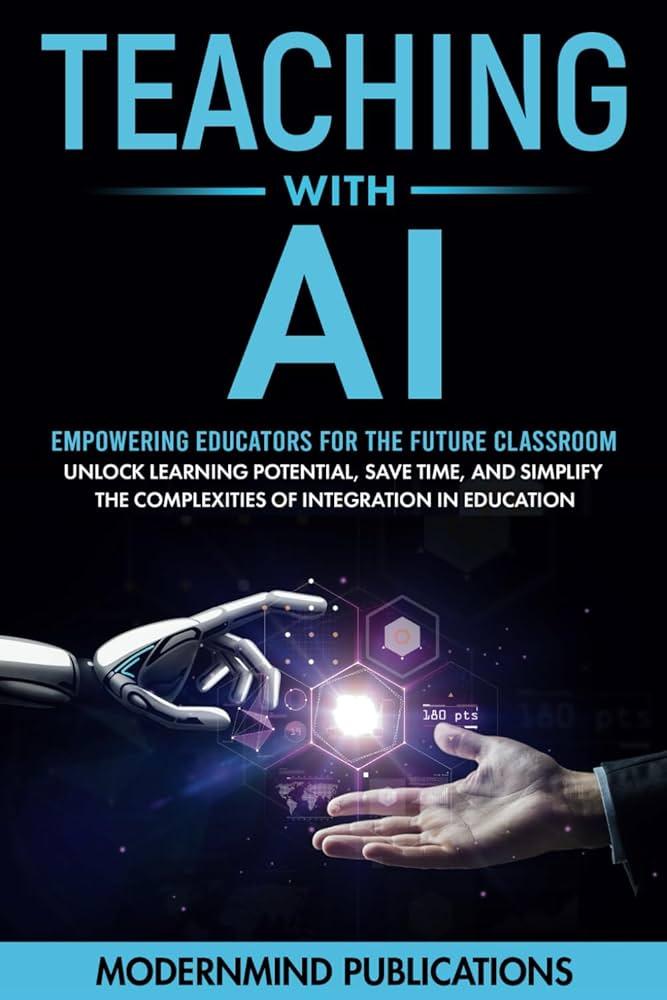
Empowering Educators: Essential Training for Teachers in an AI-Integrated Classroom
The rapid integration of Artificial Intelligence (AI) in education is revolutionizing classroom environments worldwide. Empowering educators with specialized training is crucial to harness AI’s full potential and foster student success.
Understanding AI in the Modern Classroom
Artificial Intelligence is no longer a futuristic concept—it’s actively reshaping the way teachers plan lessons, tailor learning experiences, and assess student progress. From personalized learning platforms to AI-powered assessment tools, AI-integrated classrooms are now at the forefront of educational innovation.
- Adaptive learning systems: Platforms that adjust content based on student performance.
- Automated grading: AI tools that save educators countless hours while offering immediate feedback.
- clever tutoring systems: Chatbots and virtual assistants that support student learning.
- Data-driven instruction: Insights that help tailor teaching strategies to individual needs.
Though, the successful adoption of these technologies depends on robust and targeted AI training for teachers.
Why Educators Need Essential Training for an AI-Integrated Future
While AI brings opportunities, it also presents new challenges. Not all teachers feel equipped to utilize AI-driven tools, interpret data insights, or address ethical considerations. Empowering educators through targeted professional development ensures that technology becomes a bridge—not a barrier—in the learning process.
Key benefits of AI training for teachers include:
- Boosted confidence: Educators feel more comfortable integrating and experimenting with AI resources.
- Enhanced student outcomes: Personalized approaches can significantly improve engagement and achievement.
- Time-saving efficiencies: Automation allows teachers to focus more on relationship-building and creativity.
- Ethical awareness: Understanding data privacy, bias, and digital citizenship in the classroom.
- Professional growth: Keeping pace with cutting-edge educational trends and future-proofing careers.
Core Components of Essential AI Training for Teachers
To fully empower teachers, AI professional development programs should be comprehensive, hands-on, and relevant to everyday classroom realities. Here’s what effective training includes:
- Foundational AI Literacy: Basic principles of artificial intelligence, machine learning, and automation.
- Tool Familiarization: Step-by-step demonstrations of popular AI-powered educational tools such as adaptive learning platforms, virtual assistants, and assessment systems.
- Curriculum Integration: Strategies for weaving AI technologies into lesson plans and activities that align with learning objectives.
- Data Interpretation: Training to analyze and ethically use data from AI systems to inform personalized instruction.
- Classroom Management: Tactics for balancing AI usage while maintaining meaningful student-teacher connections.
- Ethics and Digital Duty: Addressing topics like bias in AI, privacy, student autonomy, and digital citizenship.
Practical Tips for Implementing AI in the Classroom
With the right training, teachers can make the transition to AI-powered classrooms smoother and more effective. Here are some actionable strategies:
- Start Small: Pilot one AI tool and measure its impact before broader adoption.
- Collaborate with Peers: Establish professional learning communities to share best practices and troubleshoot challenges together.
- Seek Ongoing Support: Choose training providers (districts, edtech companies, or universities) that offer refresher courses and responsive help desks.
- Engage Students: involve students in discussions about AI,its benefits,and potential pitfalls—promoting digital literacy for all.
- Reflect & Iterate: Regularly assess what’s working, adjust strategies, and celebrate AI-driven successes in your classroom.
Case Studies: Real-World Success Stories
AI-integrated classrooms are delivering transformative results worldwide. Here are two standout examples:
1. Personalized Learning in a Rural School District
After a series of AI training workshops for teachers, a rural middle school adopted adaptive learning software for math. Teachers reported that struggling students received extra support while advanced learners moved ahead at their own pace. End-of-year test scores showed a 20% increase in math proficiency,underscoring the impact of empowered educators and emerging technology.
2. Enhancing Language Instruction with AI Tutors
in an urban high school, English teachers embraced AI chatbots as conversation partners for ESL students. Through a customized AI professional development program, teachers learned to integrate chatbot exercises seamlessly. The result? Increased speaking confidence,more individualized feedback,and a 15% boost in language mastery scores.
First-Hand Experience: A teacher’s Viewpoint
“I was initially nervous about integrating AI, but after attending hands-on training offered by my district, I felt empowered. The tools not only saved me time but also allowed me to target my instruction more effectively. My students loved the personalized feedback, and I found renewed excitement in my teaching practice.”
— samantha R., High School Science Teacher
Choosing the Right AI Training Program for Your School
Not all training is created equal. Here’s what to look for when selecting AI professional development for educators:
- Alignment with classroom needs: Customized content for your grade levels and subject areas.
- Accessibility and adaptability: Combination of in-person and online modules for busy teachers.
- Expert instructors: Trainers with both classroom experience and AI expertise.
- Hands-on practice: opportunities for teachers to try AI tools before full implementation.
- Supportive community: Built-in peer networks and mentoring for ongoing success.
Collaboration between school leaders, technology coordinators, and educational service providers ensures that teacher training in AI integration is lasting and impactful.
Conclusion: Shaping the Future with Empowered Educators
The AI revolution in education isn’t about replacing teachers—it’s about empowering them. With targeted training, educators become co-architects of the future classroom, blending their expertise with cutting-edge AI tools to personalize learning, save time, and drive student achievement.
Investing in essential AI training for teachers is the key to bridging the gap between technology and meaningful pedagogy. Schools that champion professional development and proactive adoption will lead the way in delivering lifelong learning for the next generation.
Ready to empower your educators and transform your classrooms? Explore professional AI training programs today and embark on a journey of innovation and excellence.