
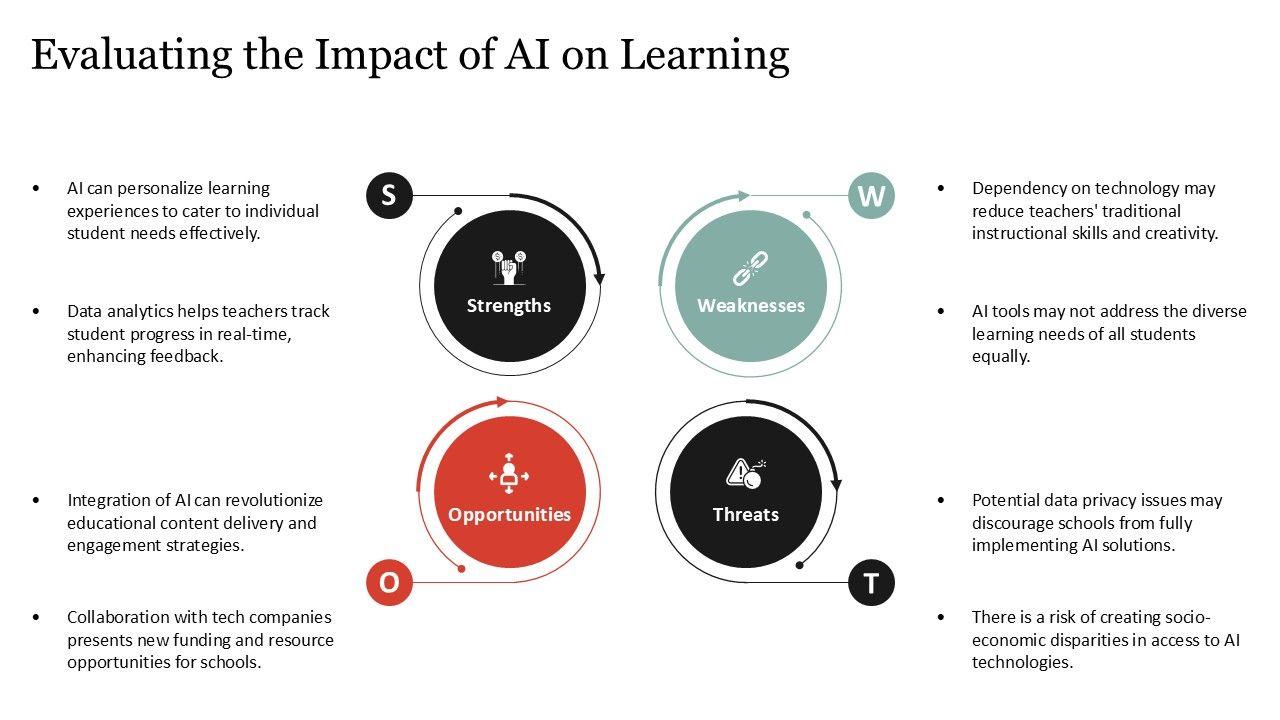
Empowering educators: Essential Training for teaching in an AI-Integrated Classroom
As technology rapidly transforms the educational landscape, artificial intelligence (AI) is emerging as a central player in classrooms worldwide. To meet this evolution head-on, educators must equip themselves with essential training for teaching in an AI-integrated classroom.This thorough guide explores how AI is revolutionizing education,highlights the skills and knowledge teachers need to thrive,and offers practical tips and resources for empowering today’s educators.
understanding the AI-Integrated Classroom
An AI-integrated classroom leverages artificial intelligence tools and systems to enhance teaching and learning.From smart grading assistants to adaptive learning platforms, AI-powered technology enables personalized education, real-time feedback, and data-driven instruction. But to harness these benefits, educators need to understand both the possibilities and the practicalities of AI in education.
What Does AI Look Like in the Classroom?
- AI Tutoring Systems: Personalized support for students in real time.
- Automated Grading: Reducing administrative workload for teachers.
- Adaptive Learning Platforms: Customizing content based on student progress and learning styles.
- Classroom Management Tools: Monitoring engagement and flagging students who need extra help.
why Educators Need Essential AI Training
For teachers to fully capitalize on these advancements, dedicated AI training for educators is paramount. Here’s why investing in such professional development is no longer optional:
- Enables educators to integrate AI tools seamlessly into their teaching practices.
- Empowers teachers to personalize learning based on robust student data analysis.
- Promotes digital literacy,equipping students for future careers in technology-driven economies.
- Ensures ethical and responsible use of AI in the classroom.
“AI is not here to replace teachers; it’s here to empower them. The strongest classrooms are those where teachers use AI as a supportive ally in student success.”
Key components of AI Training for Teachers
to prepare for teaching in an AI-enhanced surroundings, educators should focus on several essential training areas:
1. Digital Literacy & Essential AI Concepts
- Understanding how AI works and basic terminology.
- Recognizing differences between artificial intelligence, machine learning, and conventional programming.
- Developing digital competence to interact confidently with new technologies.
2. Ethical Use of AI in Education
- Ensuring student privacy and data protection.
- Identifying and avoiding algorithmic bias.
- Promoting responsible and transparent use of AI tools.
3. Integrating AI Tools into Pedagogy
- Using adaptive learning resources to tailor instruction.
- Leveraging AI for formative assessment and immediate feedback.
- Selecting and evaluating reliable AI-powered teaching apps.
4. Data Literacy & Assessment Skills
- Interpreting AI-generated analytics to inform instructional decisions.
- Monitoring student progress and adjusting teaching methods effectively.
Benefits of AI-Integrated Classrooms
Adopting AI technologies in education brings a myriad of benefits for both educators and learners:
- Personalized Learning Paths: Meeting individual student needs at scale.
- Reduced Teacher Workload: automating repetitive tasks,freeing up time for creativity and mentorship.
- Data-Driven Insights: Informing targeted interventions and curriculum adjustments.
- Enhanced Engagement: interactive and adaptive platforms maintain student interest.
- Scalable Professional Development: On-demand AI-based training modules for continuous teacher growth.
Practical Tips for Educators embracing AI
If you’re ready to start teaching in an AI-integrated classroom, these actionable steps can definitely help you get started:
- Start Small: Pilot one AI tool at a time, such as an automated quiz grader or adaptive reading platform.
- Join Professional Learning Networks: Connect with othre educators exploring AI in their teaching practices.
- Seek out Specialized Training: Attend workshops, webinars, or online courses focused on AI in education.
- practice Digital Wellbeing: Model and teach responsible usage of AI and screen time to students.
- Evaluate and reflect: Regularly assess the impact of AI tools on student learning outcomes and adjust approaches as needed.
Case Studies: AI Integration in Action
Case Study 1: Personalized Learning at Oakridge High
After integrating an AI-powered adaptive math platform, Oakridge High School reported a 20% advancement in test scores, especially for students previously struggling with math concepts. Teachers highlighted the value of immediate feedback and the ability for students to learn at their own pace.
Case study 2: Streamlining Administrative Work in NYC Middle Schools
New York City’s Department of Education implemented AI-based grading assistants across several middle schools.Teachers reported saving on average five hours per week on grading, allowing them to focus more on lesson planning and student interaction.
First-Hand Experience: Voices from the Classroom
Maria Chen,8th Grade Science Teacher:
“At first,the idea of using AI in my classroom was intimidating. but after attending professional training sessions,I realized how AI could help identify which students needed extra support. Now, I spend less time on administrative work and more on creative teaching!”
Recommended AI Training Resources for Educators
Enhance your skillset and confidence by leveraging these reputable AI training programs for teachers:
- edX: Artificial Intelligence in Education
- FutureLearn: AI in Education
- Teach With AI: Resource Hub
- Coursera: AI for Everyone by Andrew Ng
- Local professional development workshops (offered by many school districts and ministries of education).
Conclusion: Future-proofing Education with AI Skills
Empowering educators through essential training for teaching in an AI-integrated classroom is no longer a futuristic ambition—it’s a necessary step for modern education. By embracing AI training for teachers, fostering ethical use, and adopting data-driven pedagogy, we not onyl enhance our own teaching practice but also set our students up for lifelong success in a technology-driven world.
AI in education doesn’t replace the vital role of teachers; rather, it elevates and amplifies their impact. The future classroom is here, and, with the right tools and mindset, educators are ready to lead it.
Are you prepared to empower your students with AI?