
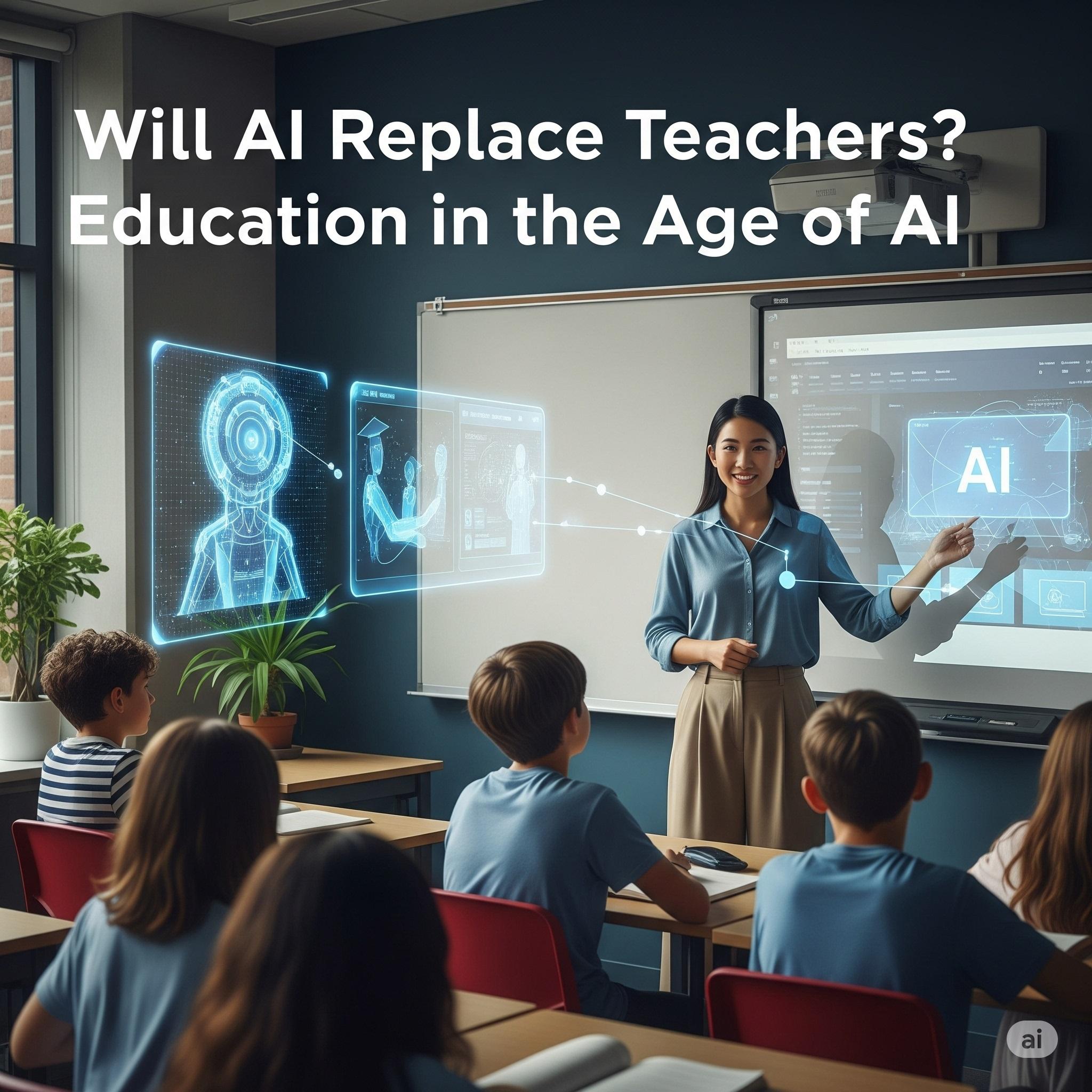
empowering Educators: Training Teachers for Success in AI-Integrated Classrooms
The landscape of education is rapidly evolving as Artificial Intelligence (AI) begins to reshape teaching methodologies, student engagement, and overall classroom management. For teachers, this technological shift offers both unprecedented opportunities and unique challenges. Empowering educators through strategic teacher training for AI-integrated classrooms is crucial to fostering prosperous, future-ready learners. This comprehensive guide explores the importance of educator training, actionable strategies, real-world examples, and resources for effectively incorporating AI in the classroom.
Understanding the Impact of AI in Education
AI in education is not a distant dream; it is already here, transforming lesson planning, personalized instruction, assessment, and classroom environments. AI-driven tools can automate administrative tasks, support differentiated learning, and provide data-driven insights that help teachers tailor their approach to individual student needs. However, harnessing these benefits requires a systematic approach to AI teacher training, which equips educators with the necessary competencies and confidence.
Why Training Teachers for AI-Integrated Classrooms is Essential
- bridging the Skills Gap: As AI technologies become standard educational tools, teachers must develop a foundational understanding of AI concepts, ethical considerations, and practical applications.
- Maximizing Student Outcomes: Well-trained teachers can leverage AI to personalize learning,boost engagement,and drive academic success for diverse learners.
- fostering Innovation & Adaptability: AI-literate educators can creatively adapt their teaching methods, helping students build future-ready skills.
- Addressing Ethical and Security Concerns: Knowledge of data privacy and responsible AI usage ensures educators can safeguard student interests.
- Building Collaborative Classroom Environments: Teachers trained in AI can foster collaboration, critical thinking, and effective communication among students.
Key Components of Effective AI Teacher Training Programs
An impactful AI-integrated teacher training program combines foundational knowledge, hands-on practice, and ongoing professional support. Below are essential elements to consider:
1. Foundational AI Literacy
- Basic AI concepts (machine learning, natural language processing, data analysis)
- Overview of ethical considerations and responsible usage
- Case studies of AI applications in education
2.Practical Submission in Pedagogy
- Integration of AI-powered lesson-planning tools
- Utilizing adaptive learning platforms for personalized instruction
- Employing smart assessment solutions (automated grading, learning analytics)
3. Hands-on Experience and Collaborative Learning
- Interactive workshops and webinars
- Participating in peer-learning communities and networking events
- Experimenting with real AI classroom tools and feedback platforms
4. Ongoing Professional Progress
- Continuous access to digital training resources
- Regular updates on emerging AI trends and technologies in education
- mentorship programs to support enduring adaptation
Benefits of Empowering Educators through AI Training
The advantages of robust teacher training for AI-integrated classrooms extend to teachers, students, and the entire educational ecosystem. Some of the chief benefits include:
- Enhanced Teaching Efficiency: Automation of repetitive tasks allows teachers to focus on meaningful interactions and personalized guidance.
- Greater Student Engagement: AI-powered platforms make learning interactive, adaptive, and relevant—especially for digital-native students.
- Data-Driven Insights: AI technologies help teachers make informed decisions based on real-time analytics, tracking progress and intervening as needed.
- Equity in Education: Adaptive systems ensure that learning experiences are inclusive, catering to different abilities and backgrounds.
- Preparedness for Future Workplaces: By modeling AI usage, teachers help students build digital skills required for 21st-century careers.
Practical Tips for Teachers in AI-Integrated Classrooms
Transitioning to an AI-enhanced teaching environment can be daunting. Consider these actionable tips to ensure a smooth and impactful integration:
- Start Small: Begin with select AI tools that solve immediate classroom challenges, such as automated feedback or lesson planning.
- Engage in Continuous learning: Set aside time each week for exploring new resources, online courses, or community forums focused on AI in education.
- Prioritize Ethical AI Use: Discuss concerns around student data privacy, algorithmic bias, and transparency with both students and parents.
- Foster Collaboration: Encourage students to co-create projects using AI, stimulating teamwork and real-world problem-solving ability.
- Reflect and Iterate: Regularly assess the effectiveness of AI tools, seek feedback, and adapt your strategies accordingly.
Case Studies: Success Stories in AI-Integrated Education
“Our comprehensive AI training initiative provided our teachers with hands-on experience using adaptive teaching apps. Engagement increased by 30%, and students reported greater confidence in independant learning.”
— Rachel P., Principal, Innovative Learning Academy
Across the globe, educators and institutions have begun to realize tangible benefits from training teachers for AI-integrated classrooms:
- Singapore’s AI Literacy Movement: All public school teachers receive regular professional development focused on basic AI tools, resulting in enhanced digital literacy for educators and students alike.
- California High school’s Chatbot Pilot: After a targeted training,teachers used AI chatbots to address student queries 24/7,increasing engagement and freeing up instructional time.
- UK Primary Schools’ Automated Assessment: Deployment of AI scoring tools trained teachers to interpret data trends, elevating classroom differentiation and student outcomes.
First-Hand Experience: An Educator’s Viewpoint
“Before our district’s AI integration training, I worried about losing the personal touch in my teaching. But after learning to combine classroom empathy with smart analytics,I found AI freed me to spend more time mentoring students while the technology handled routine tasks.”
— Jorge M., Middle School Math Teacher
Recommended Resources for AI Teacher Training
-
Google for Education’s AI Training Modules:
Explore Google Teacher Center -
ISTE’s AI and Education initiatives:
Visit ISTE -
IBM AI Education Program:
View IBM AI skills -
EdTech Magazine’s AI Resource Library:
Browse EdTech
Conclusion: The Future of Teaching Is AI-Enhanced
As schools worldwide embrace intelligent technologies, the success of AI-integrated classrooms hinges on the knowledge, confidence, and creativity of educators.Empowering teachers through ongoing AI teacher training lays the foundation for dynamic, student-centered learning environments. By investing in upskilling, sharing best practices, and fostering collaboration, we ensure that teachers remain the driving force behind educational innovation.
Updating your classroom for the AI era is not just about technology—it’s about teaching with empathy, adaptability, and a forward-thinking mindset. With the right training, educators can inspire students to succeed in a world where artificial intelligence is a companion, not a competitor. Now is the time to champion teacher empowerment and shape the future of learning together.