
Empowering Learning: Effective SEL strategies for Students with Special Needs
In todayS diverse classrooms, empowering learning extends beyond academics. Social and Emotional Learning (SEL) is vital for all students, but it holds a particular significance for students with special needs.By implementing effective SEL strategies in special education, educators can nurture emotional intelligence, resilience, and positive interpersonal relationships that pave the way for greater academic and personal success.
What is SEL and Why is it Critically important for Students with Special Needs?
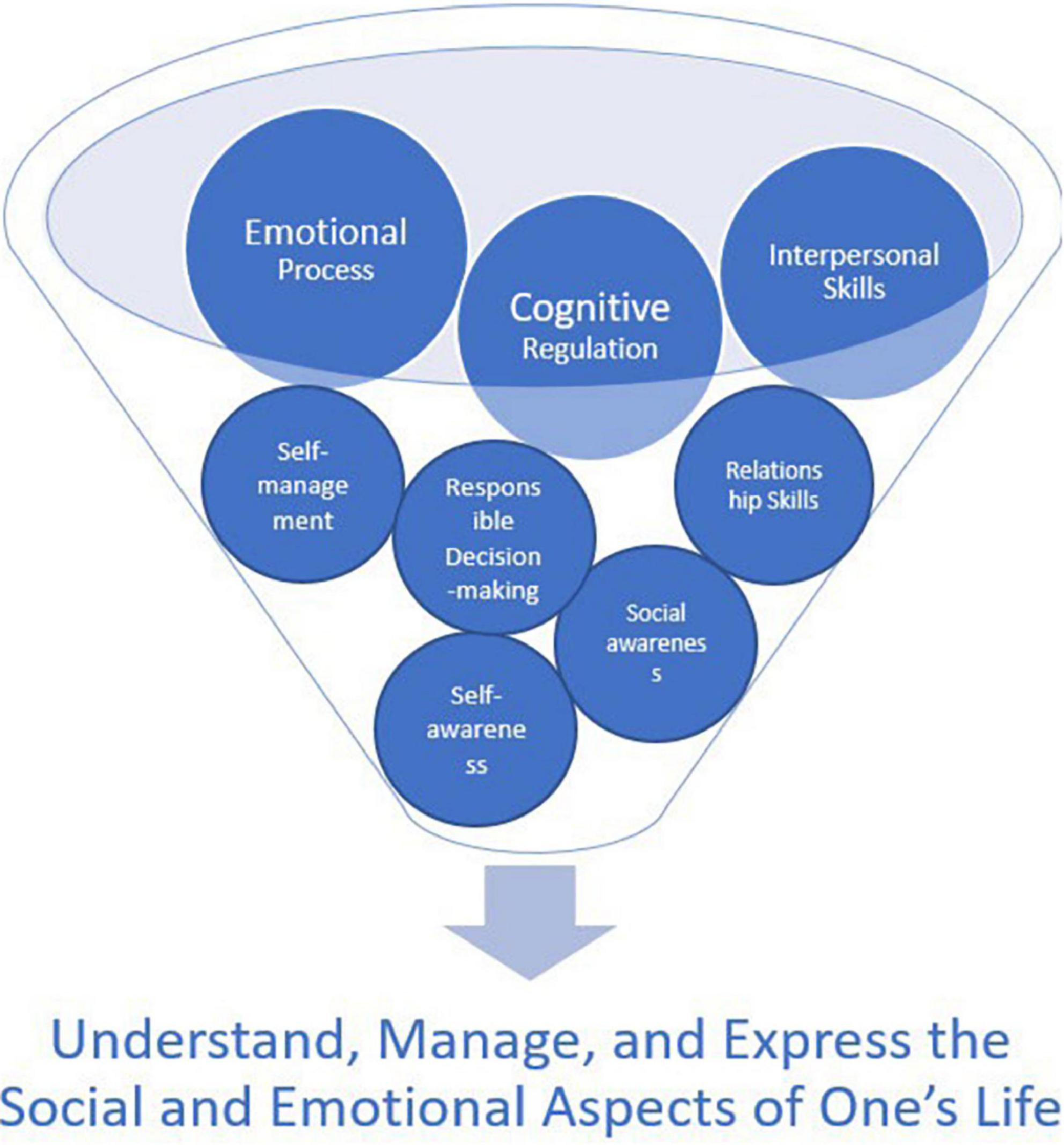
Social and Emotional Learning (SEL) refers to the process of acquiring and applying the knowledge, attitudes, and skills essential for understanding and managing emotions, setting and achieving positive goals, feeling and showing empathy, establishing healthy relationships, and making responsible decisions.
For students with special needs—including those with autism spectrum disorder, ADHD, learning disabilities, or emotional/behavioral disorders—these skills are not always naturally developed. SEL strategies for students with special needs help bridge this gap, fostering emotional well-being, social competence, and improved classroom participation.
Key Benefits of SEL for Special Needs Learners
- Improved Emotional Regulation: Helps students identify, express, and manage emotions effectively.
- Enhanced Social Skills: Foster the capacity for friendships, teamwork, and positive peer interactions.
- Reduced behavioral issues: Lower rates of aggression, withdrawal, and conflict in classrooms.
- Higher Academic Engagement: Students feel safer, more motivated, and engaged in learning.
- Increased Self-Confidence and Resilience: SEL builds a growth mindset and coping mechanisms.
These benefits highlight why incorporating SEL activities in special education settings is a necessity, not a luxury.
Effective SEL Strategies for Students with Special Needs
To create a supportive environment, educators and caregivers must tailor their approaches. Here are some practical and effective SEL strategies proven to work for students with special needs:
1. Use Visual Supports and Social Stories
- Visual schedules and emotion charts help students anticipate daily routines and express feelings.
- Social stories outline appropriate social behaviors and responses in specific situations, making abstract concepts tangible.
2. Integrate Role-Playing and Modeling
- Role-play common scenarios such as resolving conflicts or asking for help, giving students real-life practice.
- Teachers model emotional regulation techniques (like deep breaths or positive self-talk), providing clear examples for students to emulate.
3. foster self-Awareness with Mindfulness Practices
- Simple mindfulness exercises (e.g., guided breathing, body scans) can help students develop awareness of their emotions and reactions.
- Use calming corners or quiet spaces to support self-regulation when students feel overwhelmed.
4. Encourage Positive Peer Interactions
- Peer buddy programs pair students with diverse abilities to encourage empathy and friendship.
- Group activities provide structured opportunities for practicing dialog and collaboration.
5. Customize SEL Goals and Progress Tracking
- Set individualized SEL goals within IEPs (Individualized Education Programs).
- Use regular check-ins and reflection journals to help students monitor their emotional and social growth.
6. Parent and Family involvement
- Offer training and resources to parents so they can reinforce SEL skills at home.
- Maintain consistent communication between school and home to support the student’s holistic development.
Case Study: SEL in Action for a Student with Autism
Consider Ethan, a 10-year-old learner with autism who struggled with transitions and understanding peer cues. By integrating visual schedules and daily social skills groups, Ethan gradually learned to anticipate classroom changes and read social signals. Regular collaboration between his teachers, parents, and a school counselor reinforced consistent messaging.Over the school year, Ethan’s transition-related stress diminished, and he began to participate more actively in group tasks.
“Teaching SEL to students with special needs isn’t just about changing behavior – it’s about giving them the confidence and emotional tools to thrive in every aspect of life.” — Special Educator, Amanda Cruz
Practical Tips for Implementing SEL in Special Education
- Start Small: Introduce one SEL technique at a time and build on successes.
- Be Consistent: Integrate SEL routines throughout the day in both academic and non-academic settings.
- Offer Choices: Give students autonomy over their participation to build self-efficacy.
- Culturally Responsive Practice: Adapt SEL content to be culturally relevant for each unique learner.
- Seek Ongoing Professional Development: Stay updated on emerging SEL resources and techniques tailored for special needs.
recommended SEL Programs and Resources for Special Education
- Zones of Regulation: A curriculum focused on emotional self-regulation, ideal for students with ASD and sensory needs.
- Second Step: Offers age-appropriate lessons designed to reinforce social skills and emotional literacy.
- PATHS (Promoting Alternative Thinking Strategies): Empowers students through interactive lessons and team-based activities.
- CASEL: Provides a wide range of research-backed SEL resources and toolkits for diverse learners.
Explore digital tools and behavior tracking apps to monitor progress and enhance engagement. Many free and subscription-based options exist that can be tailored for IEP use.
The Power of Empowerment: First-Hand Experiences
Families and educators often share that when students with special needs master SEL skills, the conversion is significant. Parents notice better communication and emotional calm at home. Teachers witness fewer classroom disruptions and more meaningful connections. One parent shared, “Once my son learned to recognize his own emotions, the meltdowns stopped, and he started making friends for the first time.” Such experiences underscore the profound value of integrating SEL strategies for special needs students.
Conclusion: Empowering Every Learner through SEL
Effective SEL strategies for students with special needs are not only about addressing behavioral challenges—they are about unlocking each learner’s full potential. by prioritizing emotional intelligence, fostering social skills, and offering tailored support, educators can empower these students to thrive both in school and beyond.
The journey towards inclusive, empowered learning starts with small, evidence-based steps. Whether you are a teacher, parent, or administrator, your commitment to SEL can create lasting and meaningful change for every student in your care.