
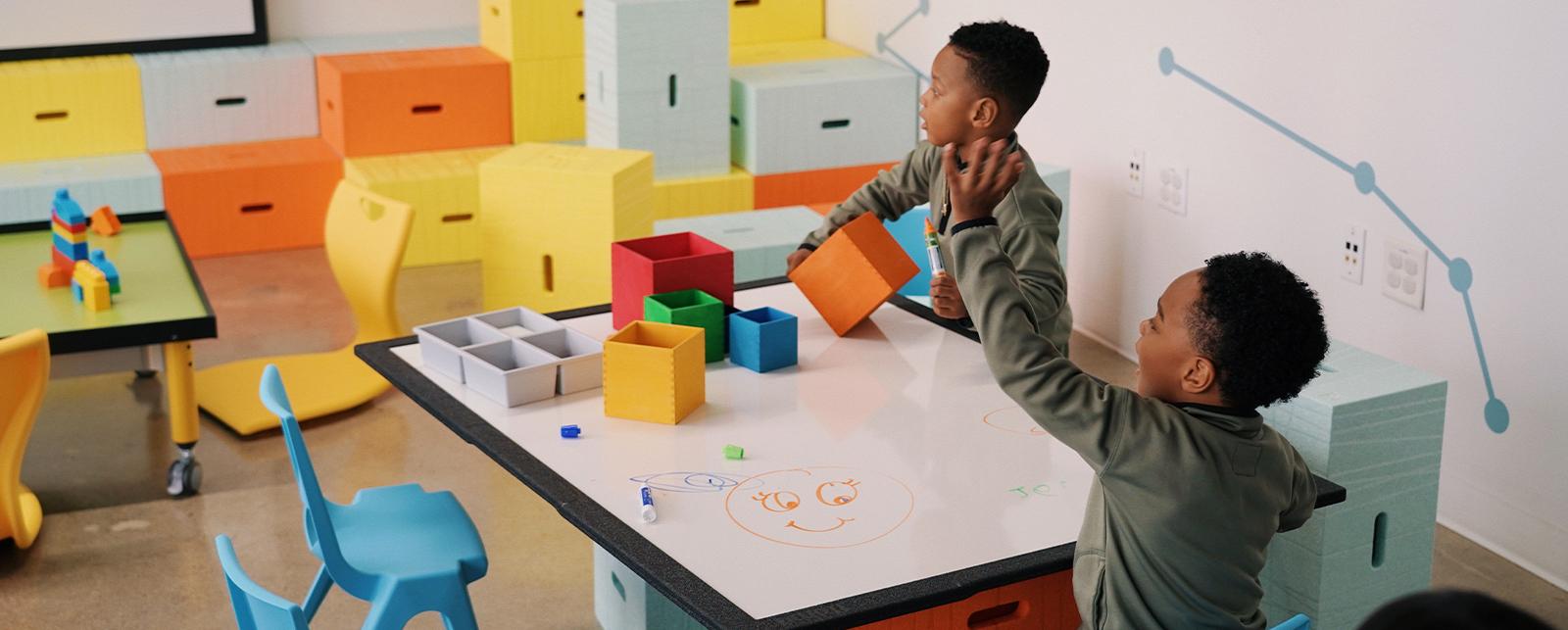
Empowering Special Needs Learners: Effective SEL Strategies for Students with Special Needs
Social-Emotional Learning (SEL) is a transformative educational approach that equips students with essential skills for life success. For students with special needs, effective SEL strategies not only support academic achievement but also foster self-confidence, resilience, and meaningful social interactions. In this article, we will explore practical methods and proven strategies to empower special needs learners through SEL, ensuring that every child can thrive both in and beyond the classroom.
Understanding SEL and Its Importance for Special Needs learners
Social-Emotional Learning for special needs students focuses on the progress of core competencies such as self-awareness, self-management, social awareness, relationship skills, and responsible decision-making. While all students benefit from SEL, those with disabilities — including autism spectrum disorder (ASD), ADHD, Down syndrome, and learning disabilities — face unique challenges that can make navigating social interactions and managing emotions more difficult.
- Self-awareness: Understanding oneS emotions, strengths, and challenges.
- Self-management: Regulating emotions and behaviors appropriately.
- Social awareness: Recognizing social cues and showing empathy towards others.
- Relationship skills: Building healthy relationships with peers and adults.
- Responsible decision-making: Making positive choices in social and academic contexts.
Fostering these competencies through targeted SEL strategies can lead to improved academic outcomes, reduced behavioral challenges, and enhanced mental well-being for special needs learners.
Key Benefits of SEL for Students with Special Needs
- Enhanced Emotional Regulation: SEL helps children recognize and manage strong emotions, reducing frustration and meltdowns.
- Stronger Social Skills: Special needs learners gain tools for effective communication, teamwork, and conflict resolution.
- Increased Self-Confidence: By celebrating small wins and fostering self-awareness, students become more confident and self-reliant.
- Improved Academic Engagement: Students are more prepared for learning when they feel emotionally secure and socially connected.
- Better Behavioral Outcomes: SEL reduces disruptive behaviors and supports positive classroom environments.
Effective SEL Strategies for Special Needs Learners
Tailoring SEL strategies for special needs students requires creativity, patience, and a deep understanding of individual needs. Here are some successful approaches:
1. Visual Supports and Social Stories
- Use visual schedules, cue cards, and illustrated social stories to teach social norms and emotional recognition.
- Create step-by-step guides for common social situations, helping students anticipate and prepare for interactions.
2. Explicit Teaching of Social Skills
- Break down complex social skills into manageable steps.
- Practice role-playing and social scripts to reinforce positive behaviors in real-life scenarios.
3.Mindfulness and Sensory Activities
- Introduce breathing exercises, mindfulness routines, and sensory breaks to regulate emotions and reduce anxiety.
- Incorporate fidget tools, calming corners, or quiet spaces for self-management.
4. Positive Reinforcement and Celebrations
- Reward achievements, both big and small, with praise, certificates, or preferred activities.
- Track progress with visual charts or journals to motivate ongoing growth.
5. Individualized Support Plans
- Collaborate with families,therapists,and special education teams to develop tailored SEL goals and strategies.
- Integrate IEP (Individualized Education Program) goals with SEL frameworks.
Practical Tips for Teachers and Caregivers
- Model SEL skills: Demonstrate empathy,active listening,and problem-solving in everyday interactions.
- Use clear and consistent language: Avoid abstract terms and provide concrete examples when discussing emotions or behaviors.
- Involve peers: Encourage inclusive group activities and peer buddy systems to foster a sense of belonging.
- Monitor progress: Use check-ins and feedback sessions to celebrate successes and address challenges early.
- Promote self-advocacy: Teach students to ask for help, express their needs, and make healthy choices.
Case Study: real-Life Impact of SEL in Special Education
To illustrate the transformative power of SEL strategies for special needs learners, let’s consider a case example:
Case Study: Luca, an 8-year-old student with autism, struggled with social cues and emotional outbursts. His teachers integrated daily SEL routines, including a visual “feelings chart,” role-play activities, and mindfulness exercises. Over the school year, Luca’s ability to identify emotions, express needs, and engage with classmates improved markedly. His academic participation and classroom behavior also saw notable positive changes.
This example underscores that with consistency and the right strategies, SEL for special needs students can lead to tangible, meaningful growth.
First-Hand Experience: Insights from Educators and Parents
Both educators and parents play crucial roles in implementing SEL for students with special needs. Here are some first-hand observations:
- “Visual routines give my son the confidence to navigate his day.He feels safe knowing what to expect and how to respond.” – Parent of a child with Down syndrome
- “Small-group SEL sessions help my students practice talking about feelings and trying new solutions together.” – Special Education Teacher
- “When we celebrate even minor improvements,students realize they are making progress and become more motivated.” – School Counselor
These insights highlight the importance of collaboration and positive reinforcement when empowering special needs learners through SEL.
Integrating SEL for Special Needs into the School Community
For maximum effectiveness, SEL should extend beyond the classroom. Schools can foster an inclusive culture by:
- Providing staff training on SEL strategies for diverse learners.
- Hosting family workshops on supporting SEL at home.
- Implementing school-wide SEL programs that acknowledge and embrace the needs of all students.
- Partnering with mental health professionals for additional support and resources.
By adopting a holistic, community-based approach, schools can ensure every student with special needs receives the support necessary for lifelong success.
conclusion: Creating Pathways for Success
Empowering special needs learners through effective Social-Emotional Learning strategies is a journey that requires intentionality, compassion, and collaboration. By understanding their unique needs, implementing tailored SEL approaches, and cultivating a supportive surroundings, educators and families can help every child realize their full potential. Let’s commit to making education accessible,inclusive,and emotionally enriching for students with special needs—so they not only learn,but truly thrive.