
Empowering Special Needs Students: Effective SEL Strategies for Success
Supporting special needs students requires a holistic approach, where academic growth goes hand in hand with personal and emotional progress. Social and Emotional Learning (SEL) strategies play a vital role in creating safe, inclusive, and empowering classroom environments. In this article, we’ll explore extensive SEL strategies that help every student thrive, share best practices for educators, and offer first-hand insights to guide parents and teachers in nurturing success for students with special needs.
Understanding SEL and Its Importance for special Needs Students
SEL, or Social and Emotional Learning, is an educational framework that teaches children to understand thier emotions, set positive goals, show empathy, maintain healthy relationships, and make responsible decisions. For students with special needs,the benefits of SEL are even more profound. SEL equips these students with critical life skills, enhances their academic performance, and nurtures their overall well-being.
- enhanced Emotional Regulation: Helps students manage anxiety, frustration, and sensory challenges.
- Improved Social skills: Fosters dialog and friendships, increasing inclusion and acceptance.
- Boosted Self-Esteem: Building self-confidence to participate actively in classroom and social activities.
- Academic Success: Emotional stability translates to increased engagement and learning outcomes.
Effective SEL strategies for Special Needs Students
The following SEL strategies are tailored for students with diverse learning and developmental challenges.Incorporate these techniques using WordPress styling, illustrated examples, and engaging, accessible structures.
1. Build Positive Relationships and Trust
Genuine relationships are the foundation of SEL. Take intentional steps to connect with each student, learning their interests, strengths, and triggers. Use active listening and validate their feelings, which sets the tone for a supportive classroom.
- Morning Check-Ins: Designate time daily for students to share feelings or experiences.
- Use Choice and Voice: Allow students to make meaningful choices during activities, boosting autonomy.
- Consistent Routines: Predictability promotes emotional security.
2. Incorporate Visual Supports and Storytelling
Visual aids benefit many special needs students, especially those with autism, ADHD, or learning disabilities. Storyboards, social stories, and scheduling charts help to reinforce concepts, explain emotional scenarios, and teach problem-solving.
- Create individualized social stories addressing situations like sharing, conflict resolution, or coping with changes.
- Display emotional thermometers or feeling wheels for students to communicate their emotions.
- Use posters, icons, and color-coded charts to support SEL concepts.
3. Explicitly Teach Emotional Vocabulary
Many students with special needs struggle to identify and express their emotions. Teach emotional vocabulary using games, books, and interactive dialogue.
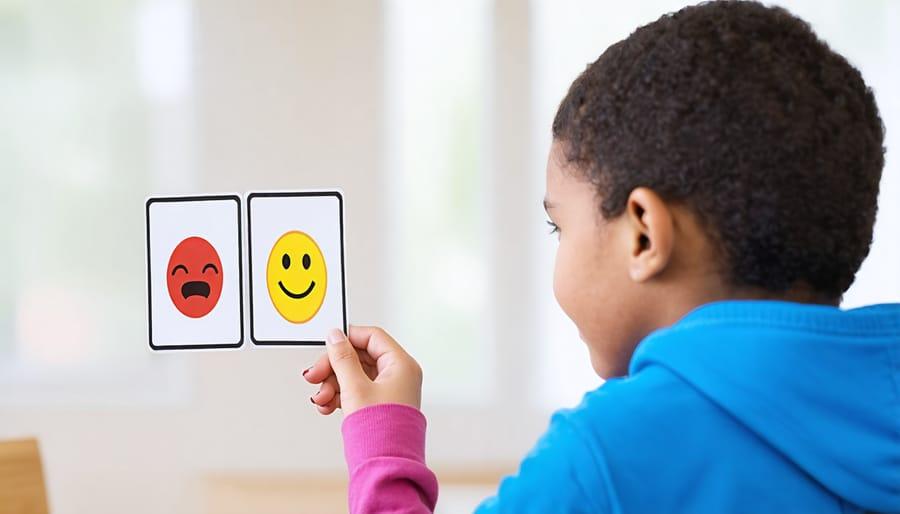
- Introduce emotion cards for labeling feelings.
- Model language for describing emotions during class activities.
- Use role-play to practice expressing and managing feelings appropriately.
4. Foster Collaboration and Peer Support
Encourage peer interactions through guided group activities, buddy systems, and cooperative learning opportunities. Positive peer relationships are central to SEL growth.
- Pair students for collaborative projects and class responsibilities.
- implement peer mentoring initiatives, cultivating empathy and understanding.
- Facilitate inclusive clubs or lunchtime groups dedicated to SEL topics.
5. Practice Mindfulness and Self-Regulation Techniques
Mindfulness empowers students to recognise emotions, reduce anxiety, and develop focus. Introduce short, guided practices suitable for different needs.
- Deep Breathing Exercises: Use visuals or guided breaths for calming down.
- Sensory Breaks: Incorporate movement, fidget tools, or music as needed.
- Mindful Moments: Begin or end lessons with gratitude or reflection activities.
Benefits of SEL for Special Needs Students
Research shows that integrating SEL into special education settings leads to measurable improvements across several domains. Here’s why SEL should be a priority:
- Lower Behavioral Challenges: SEL helps reduce outbursts, meltdowns, and disciplinary incidents.
- Greater Engagement: Students participate more fully in learning when they feel safe and supported.
- Stronger Relationships: Positive interactions foster a sense of belonging for every student.
- Preparation for Life: SEL develops essential skills for future employment, independence, and community involvement.
Real-Life Success: Case Studies and Experiences
Let’s look at how SEL strategies have made an impact in real classrooms:
Case Study: Inclusive Elementary Classroom
An elementary teacher noticed increased anxiety and social withdrawal among her students with autism. She introduced daily “circle time” with emotional check-ins, visual schedules, and role-play activities. Within months, students began expressing their emotions more openly, developed stronger peer relationships, and saw a notable advancement in academic engagement.
Teacher Spotlight: High School Special Education
A special education teacher in a high school piloted SEL workshops incorporating mindfulness, positive reinforcement, and peer mentoring. students reported feeling more connected, and the rate of behavioral incidents dropped by over 40%. Teachers observed greater classroom participation and teamwork.
First-Hand Experience: Parent Viewpoint
“As a parent of a child with ADHD and learning disabilities, SEL strategies have transformed our family’s approach to daily challenges. Using emotional check-ins and visual schedules at home, our son can better communicate his feelings, which reduces frustration and builds his confidence with schoolwork.”
Practical Tips for Implementing SEL Strategies
Ready to bring effective SEL strategies into your classroom or home? Start with these actionable tips:
- Individualize SEL Techniques: Adapt each strategy to meet your student’s unique strengths and challenges.
- Collaborate With Families: Maintain open communication with parents to reinforce SEL at home.
- Utilize Technology: Explore SEL apps offering emotional support, visual schedules, and goal tracking.
- ongoing Professional Development: Attend webinars, workshops, and connect with other educators for fresh ideas.
- Normalize emotions: Celebrate every progress in social-emotional skill building, big or small!
Conclusion: Unlocking the Potential of Every Student
Empowering special needs students with evidence-based SEL strategies transforms lives inside and outside the classroom. When educators, parents, and communities prioritize social and emotional learning, students gain the skills they need to thrive academically, socially, and emotionally. By embracing inclusivity, fostering relationships, and cultivating safe spaces, we can definitely help every child unlock their full potential.
If you’re passionate about supporting special needs students, start your SEL journey today. Share these strategies with your peers, engage with parents, and celebrate each student’s success—because every child deserves to shine!