
empowering Students with Special Needs: Essential SEL Strategies for success
Empowering students with special needs means providing them with teh skills, support, and environment they need to flourish both academically and personally. One of the most powerful tools in this journey is Social and Emotional Learning (SEL). SEL strategies are proven to help students with special needs build self-awareness, manage emotions, develop social skills, and improve thier relationships. In this extensive guide, we’ll explore essential SEL strategies, their benefits, practical tips for the classroom, and real-life success stories that demonstrate the power of a caring, inclusive learning environment.
What is SEL and Why is it Crucial for Students with Special Needs?
Social and Emotional Learning (SEL) is a process through which children and adults acquire the knowledge, attitudes, and skills needed to understand and manage emotions, set positive goals, show empathy, establish relationships, and make responsible decisions. For students with special needs, these skills are foundational in navigating academic and social challenges.
- Self-Awareness: Helps students recognize their strengths and limitations.
- Self-Management: Supports the development of coping strategies for stress and frustration.
- Social Awareness: Fosters empathy and understanding of others’ perspectives.
- Relationship Skills: Enables building respectful and supportive connections.
- Responsible Decision-making: Encourages thoughtful,positive choices for learning and interpersonal connections.
For students with special needs, embracing SEL strategies in the classroom can significantly enhance both their academic outcomes and emotional well-being, empowering them to thrive.
Benefits of SEL for Students with Special Needs
Research consistently highlights the far-reaching benefits of SEL for learners with diverse abilities. Schools that prioritize SEL for students with special needs experience:
- Improved emotional regulation – Students better understand, express, and manage their emotions.
- Enhanced self-confidence – SEL fosters self-belief and a positive sense of identity.
- Stronger peer relationships – Learners build communication, empathy, and conflict resolution skills.
- Reduced behavioral challenges – By addressing the root of emotional difficulties, challenging behaviors decrease.
- Greater academic engagement – Students take risks, seek help, and participate more actively.
- Resilience and coping skills – SEL provides strategies for managing setbacks and stress.
In short, SEL empowers students with special needs to overcome barriers, celebrate achievements, and reach their utmost potential.
Essential SEL Strategies for Inclusive Classrooms
Implementing effective SEL strategies for special education doesn’t have to be complicated. Here are proven, actionable approaches teachers and support staff can weave into everyday classroom life.
1. Create Safe, Predictable Classroom Environments
- Establish clear routines and visual schedules to reduce anxiety.
- Use visual aids, social stories, and consistent language to support understanding.
- Provide calm-down spaces and sensory-amiable corners for emotional regulation.
2. Embed Emotional Check-Ins
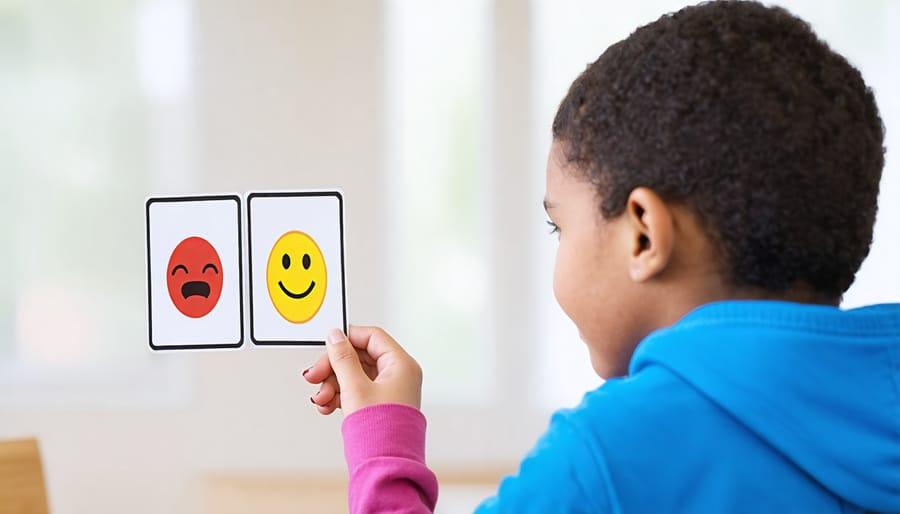
- Begin each day with a “feelings check” using a feelings chart or emojis.
- Model sharing your own emotions to demonstrate that emotions are normal and manageable.
- Encourage journal writing or drawing to express feelings in different ways.
3. Teach Self-Regulation Techniques
- Practice deep breathing, mindfulness, or “brain breaks” throughout the day.
- Integrate visual reminders for self-calming strategies.
- Celebrate progress with positive reinforcement and specific feedback.
4. Foster Social Skills and Peer Connections
- Use role-playing and social scripts to practice greetings, sharing, and conversation skills.
- Assign structured peer partners or “buddy systems.”
- Facilitate cooperative learning through group projects and games.
5. Encourage Student Voice and Choice
- Offer choices in activities, seating, or project formats.
- Hold regular class meetings where all students can share ideas, opinions, and concerns.
- Empower students to set and reflect on their own goals.
6. Involve Families and Caregivers in SEL
- Share SEL strategies with families and encourage consistency between school and home.
- Provide easy-to-understand, practical resources on SEL at IEP meetings and school events.
- Celebrate students’ social and emotional achievements together.
Practical Tips for Accomplished SEL Implementation
Ready to bring these SEL strategies to life? Here are some practical tips for teachers, administrators, and school support teams:
- Start small: Choose one or two SEL practices to introduce and gradually build from there.
- Differentiation is key: Adapt activities to students’ unique needs, communication styles, and interests.
- Build strong relationships: Prioritize trust, empathy, and open communication between educators and students.
- Use technology: Leverage SEL-focused apps and visual supports for students who prefer digital tools.
- Ongoing professional development: Invest in training and resources to keep SEL skills fresh and relevant.
Case Study: SEL Success in Action
A middle school in Illinois embraced a school-wide initiative to empower students with special needs through SEL. By implementing daily emotional check-ins,mindfulness activities,and social skills workshops,the school saw a 40% decrease in behavior referrals and a notable boost in student engagement. teachers reported that students with IEPs felt more included,self-assured,and were more likely to participate in classroom discussions.
Firsthand Experience: “Before adopting SEL strategies, many of my students felt isolated and overwhelmed. Now, I see their confidence soar; students advocate for their needs and truly enjoy learning,” shares Ms. Ramirez, Special Education Teacher.
How SEL Supports Different Types of Special Needs
SEL is not a one-size-fits-all approach; it’s highly adaptable for students across a spectrum of abilities and needs. for students with autism, SEL enhances social understanding and flexibility. For those with ADHD or emotional and behavioral disorders, it offers vital self-regulation and impulse control strategies. For students with learning disabilities, SEL builds resilience and reduces anxiety, enabling them to persist through challenges.
- Autism Spectrum Disorder: Focus on role-playing social scenarios and joining guided peer interactions.
- ADHD: Use movement-based mindfulness exercises and frequent check-ins for self-regulation.
- Learning Disabilities: Encourage self-reflection and positive self-talk to develop growth mindsets.
Building a Culture of Inclusion through SEL
Empowering students with special needs is a collective effort. When SEL is at the heart of school culture, all students—nonetheless of ability—feel valued, connected, and supported. Schools can build a culture of inclusion by celebrating diversity, respecting differences, and making social and emotional growth a shared priority.
Administrators and teachers can foster this by integrating SEL in IEP goals, providing ongoing support to staff, and actively promoting disability awareness within the school community.
Conclusion: The Path to Empowerment
SEL is not simply an “add-on”; it is a game-changer for students with special needs. By equipping them with practical social and emotional tools, we’re not just preparing them for academic success—we’re nurturing their independence, self-worth, and happiness. Weather you’re a teacher, school leader, or parent, integrating these essential SEL strategies paves the way for every learner to achieve their full potential. Empowering students with special needs through SEL is an investment that benefits individuals, classrooms, and the entire school community.
Together, let’s continue to champion inclusive education and SEL for all.