
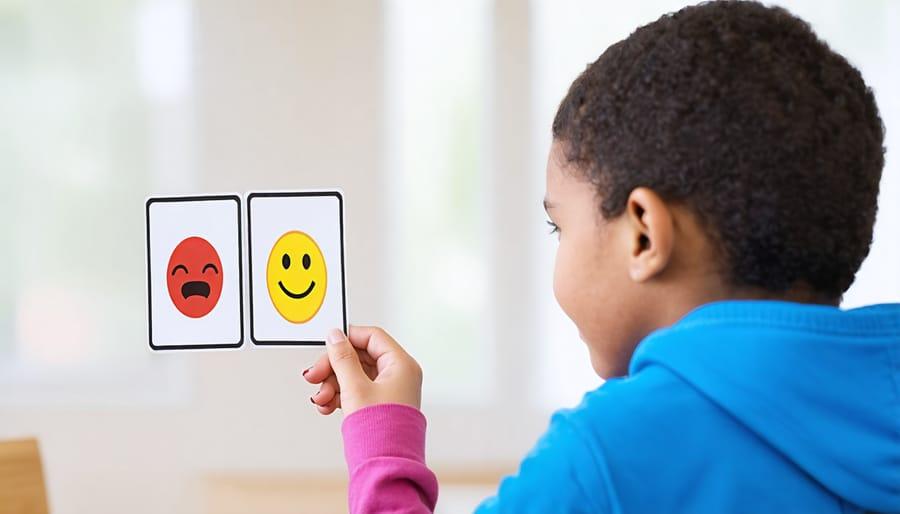
Empowering Students with Special Needs: SEL strategies for Success in the Classroom
Introduction
in today’s diverse educational landscape, one of the most impactful approaches to fostering inclusive learning is through social-Emotional Learning (SEL).For students with special needs, SEL strategies are more than just teaching interpersonal skills—they are vital tools that empower them to thrive academically, socially, and emotionally. By integrating SEL into the classroom, educators can help students overcome barriers, build confidence, and achieve success. This comprehensive guide will explore effective SEL strategies for students with special needs, practical tips for teachers, and inspiring stories from real-world classrooms.
Why SEL Matters for Students with Special Needs
Social-Emotional Learning equips students, especially those with special needs such as autism, ADHD, dyslexia, and emotional or behavioral disorders, with the necessary skills to navigate social situations, self-regulate emotions, and build positive relationships. Research reveals that SEL interventions lead to improved academic performance, reduced classroom disruptions, and better long-term life outcomes for students with disabilities.
- Improved self-awareness: Understanding emotions and strengths enhances learning efficacy.
- Better emotional regulation: Helps manage stress, frustration, and anxiety linked to academic challenges.
- Enhanced social skills: Facilitates friendships, teamwork, and conflict resolution.
- Stronger academic outcomes: Supports executive functioning and focus in learning tasks.
- Inclusive classroom climate: Promotes empathy, respect, and understanding among peers.
Top SEL Strategies for Empowering Students with Special Needs
Implementing SEL in special education requires a thoughtful, intentional approach. Here are tried-and-true strategies that can make a significant impact:
1. Explicit Teaching of Social-Emotional Skills
- Design lessons around core SEL competencies: self-awareness,self-management,social awareness,relationship skills,and responsible decision-making.
- Use visuals, role-play, and social stories to explain concepts.
- Break down complex social scenarios into manageable steps.
2.Individualized SEL Goal Setting
- Set personalized goals for emotional and social growth, coordinated with student IEPs (Individualized Education Plans).
- Involve students in tracking their own progress.
- Celebrate milestones with positive reinforcement.
3. Incorporating Assistive Technology and Interactive Tools
- Utilize apps, games, and communication devices designed for SEL progress.
- Promote engagement with adaptive tech tailored to student abilities (e.g., text-to-speech, visual schedules).
4. Building Safe and Predictable Routines
- Establish classroom rituals and schedules to reduce anxiety.
- Provide clear expectations and sensory-friendly environments.
- Use calming areas or sensory rooms for emotional regulation breaks.
5.Foster Collaborative Learning and Peer Interaction
- Pair students for cooperative tasks, promoting inclusion and social skill practice.
- Model kindness, patience, and empathy in every interaction.
- Facilitate group discussions on respect, diversity, and emotional intelligence.
6. Regular Check-ins and Feedback
- Conduct morning meetings or emotional check-ins to gauge mood and readiness.
- Offer constructive feedback on social-emotional behaviors using encouraging language.
Practical Tips for Teachers: Making SEL Work for Special needs Students
- Differentiate instruction: Customize SEL content and delivery to meet cognitive, linguistic, and sensory needs.
- Engage families: Involve parents and caregivers through communication platforms, SEL workshops, and home practice resources.
- Use inclusive language: Reinforce respect and equality in classroom discussions and activities.
- Monitor progress: Collect data and observations to refine SEL support as students grow.
- Professional development: Attend training sessions on best SEL practices for diverse learners.
- Celebrate diversity: Emphasize each child’s unique abilities and accomplishments.
Frist-Hand Experience: Voices from the Classroom
Integrating SEL strategies for students with special needs transforms lives. Hear from real educators who have witnessed these positive changes firsthand:
“When we started our SEL programme with visual aids and daily check-ins, our students with autism became more agreeable expressing their feelings. They now initiate conversations and build friendships, wich was once a challenge.”
– Ms. Robinson, Special Education Teacher
“introducing assistive technology for SEL allowed my students with dyslexia and ADHD to participate actively without feeling left out.Tools like emotion cards and communication apps are now staples in our classroom!”
– Mr. Garcia, Inclusion Educator
Case Studies: Prosperous SEL Implementation
Case Study 1: Enhancing Emotional Regulation for Students with ASD
At a suburban elementary school, teachers introduced structured SEL lessons with visual prompts and sensory breaks for students with autism spectrum disorder (ASD). Over six months, students showed remarkable improvement in managing frustration and anxiety—attendance rose, and disciplinary incidents dropped by 40%.
Case Study 2: Social Skills Development in Inclusive Classrooms
A middle school ramped up peer mentoring and group activities focusing on empathy and conflict resolution.Students with intellectual disabilities actively contributed to discussions, leading to higher self-esteem and greater participation in academic projects.
Benefits of SEL for Students with Special Needs
SEL offers far-reaching advantages, both inside and outside the classroom. The following benefits are especially pronounced for learners with disabilities:
- Improved stress management and resilience
- Greater independence in handling daily challenges
- enhanced communication skills, including self-advocacy
- Higher academic engagement and perseverance
- Lasting positive relationships with peers and adults
Conclusion: Creating an Empowered Future Through SEL
Equipping students with special needs through Social-Emotional Learning is an essential step toward a more compassionate and effective classroom experience. When educators champion SEL strategies and create supportive environments, students of all abilities gain the confidence and skills they need to succeed—not just academically, but in every aspect of life.
Whether you are a teacher, parent, or school administrator, embracing SEL for students with special needs means recognizing their unique potential and committing to their holistic growth.Together, we can nurture empathetic, resilient, and empowered learners.
For more in-depth resources and guidance, explore our additional materials on special needs SEL best practices and stay connected for updates and tips on inclusive education.