
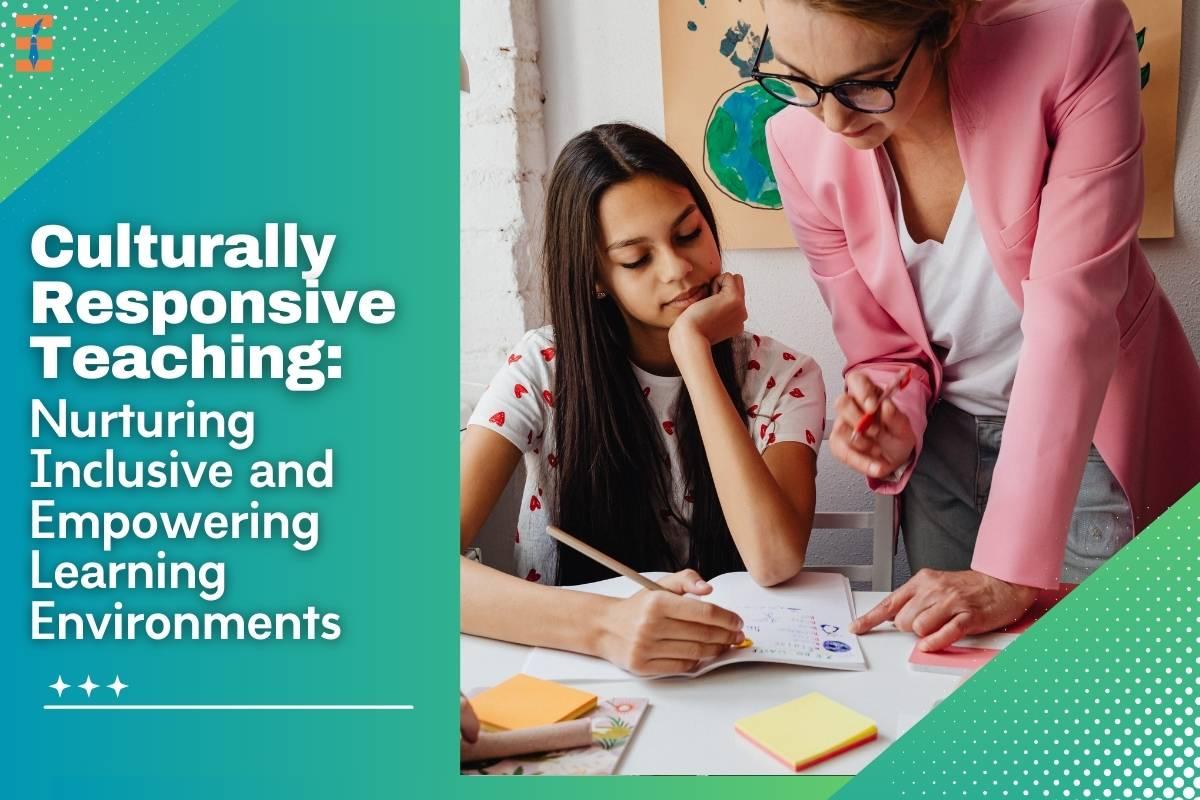
Empowering Teachers: Effective Training for Inclusive Teaching Practices in Today’s Classrooms
In today’s diverse educational landscape, inclusive teaching practices have become more essential than ever. Empowering teachers through thorough training ensures every student—irrespective of ability, background, or learning style—can succeed. This article explores the importance of effective training for inclusive teaching, offering actionable strategies and insights for educators and school leaders committed to fostering equity and belonging in their classrooms.
understanding Inclusive Teaching Practices
inclusive teaching practices refer to instructional strategies, classroom management techniques, and curriculum adaptations designed to meet the varied needs of all students. A truly inclusive classroom supports learners with disabilities, gifted individuals, English language learners, and students from different social and cultural backgrounds.
- Differentiated Instruction: Customizing teaching methods to address diverse learning preferences and abilities.
- Universal Design for Learning (UDL): Creating flexible learning environments that accommodate individual learning differences.
- Culturally Responsive teaching: Incorporating students’ cultural references into all aspects of learning.
- Social-Emotional Learning (SEL): Addressing students’ emotional and social development alongside academic growth.
Mastering these approaches requires thoughtful, ongoing teacher training and professional development.
Why Empowering Teachers with Effective Training Matters
Today’s teachers face increasingly heterogeneous classrooms. Without adequate training, even the most passionate educators may struggle to address the full range of student needs. Empowering teachers through specialized training in inclusive teaching practices ensures that everyone in the classroom can thrive.
Key Benefits of Inclusive Teaching Training:
- Improved Student Outcomes: All students benefit academically and socially when teachers employ inclusive strategies.
- Reduction in Achievement Gaps: Targeting diverse needs helps close gaps between high- and low-performing students.
- Enhanced Teacher confidence: Well-trained educators feel better equipped to manage diversity and address challenges.
- Positive School Culture: Inclusive practices foster a sense of belonging and respect among school communities.
Features of Effective Teacher Training for Inclusion
Not all professional development is created equal. The best teacher training for inclusive classrooms shares certain characteristics:
- Evidence-based Content: Training draws from proven research and current best practices in special education and inclusion.
- Interactive and Practical: Teachers engage in hands-on workshops, collaborative planning, and scenario-based learning.
- Ongoing Support: Continuous coaching, mentorship, and access to resources ensure sustained growth beyond initial training.
- Tailored to Local Needs: Training is contextualized to the specific demographics, challenges, and policies of each school or district.
Recommended Training Models:
- Peer Observation and Feedback: Teachers learn from one another through regular observation cycles and reflective discussions.
- Co-Teaching Workshops: Educators practice co-teaching strategies to support all learners more effectively.
- Inclusive Curriculum Design Sessions: Collaborative planning to design and revise lessons for greater accessibility.
Practical Tips for Implementing Inclusive Teaching Practices
Ready to bring inclusive teaching into your classroom? Here are practical strategies and actionable tips for immediate application:
- Assess Student Needs Regularly
Utilize formative assessments, surveys, and observations to understand every learner’s strengths and areas for growth. - Differentiate Instruction
Offer multiple ways for students to engage with content, demonstrate understanding, and participate actively. - Utilize Universal Design for Learning (UDL) Principles
Provide flexible options for presentation, practice, and assessment to ensure curriculum accessibility. - Promote Positive Classroom Relationships
Foster trust and respect by celebrating diversity and encouraging peer support. - Incorporate Assistive Technology
Leverage tools like speech-to-text software, audiobooks, or adaptive devices to support diverse learners. - Engage in Continuous Professional Development
Stay updated with the latest research and innovative practices through workshops, seminars, and online courses.
Case Study: Inclusive Teaching in Action
Consider the story of Harmony Elementary School, a suburban school that made inclusive education a strategic priority. Teachers participated in year-long professional development focused on differentiated instruction, Universal Design for Learning, and collaborative planning.
Results after one year included:
- Increased Student Engagement: 95% of teachers reported higher engagement across all demographics.
- Academic Gains: Standardized test scores improved by an average of 12 points among students with learning disabilities.
- Stronger Teacher Collaboration: Cross-grade co-planning sessions became a routine part of the school week.
This case demonstrates the transformative power of targeted training for fostering inclusive classroom environments.
First-Hand Experiences: Teacher Testimonials
“After attending inclusive teaching workshops, I noticed my lessons were more engaging, and my students—especially those who struggled—felt more cozy participating. The practical examples and ongoing coaching helped build my confidence enormously.”
— Jamie L., 5th Grade Teacher
“Our school’s focus on inclusive practices created a new sense of community. Students respect each other’s differences, and I feel equipped to support learners who were previously overlooked.”
— Maria D., High School English Teacher
Getting Started: Resources for Teachers and School Leaders
Many organizations offer high-quality training and resources for inclusive teaching:
- CAST (Center for Applied Special Technology) – Resources on Universal Design for Learning
- Inclusive Schools Network – Professional development modules and articles
- teaching Channel – Video resources featuring inclusive teaching strategies
- Edutopia – Practical guides and teacher testimonials
Conclusion: The Future of Inclusive Teaching Starts Today
Empowering teachers with effective training in inclusive teaching practices is not just beneficial—it’s essential for the success of all students in today’s classrooms. Comprehensive professional development empowers educators with the tools, strategies, and confidence to meet every child’s needs. As schools continue to evolve, ongoing commitment to inclusive education will help build classrooms where diversity is a strength, and every learner has the possibility to thrive.
by investing in teacher empowerment and prioritizing inclusive teaching strategies,we foster a more equitable,dynamic,and engaging educational experience for everyone.