
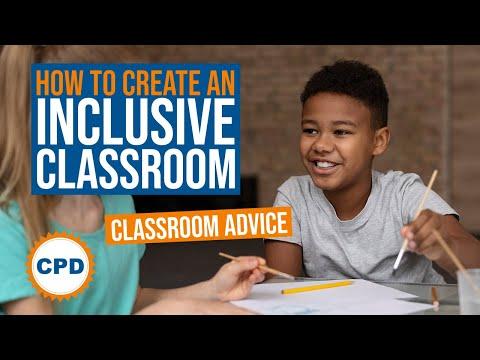
Empowering Teachers: Essential Training Strategies for Inclusive Teaching Practices
As classrooms become increasingly diverse, teachers play a pivotal role in creating inclusive learning environments where every student can thrive. Empowering teachers through targeted training is the cornerstone of effective inclusive teaching practices. This article explores vital professional development strategies, practical tips, benefits, and real stories from educators to help foster inclusion for all students.
What is Inclusive Teaching?
Inclusive teaching refers to educational approaches that recognize,respect,and address the diverse backgrounds,abilities,and learning needs of every student. It ensures a supportive habitat where all learners have equitable access to curriculum, resources, and opportunities to succeed.
- Recognizing diversity: Understanding the unique cultural, linguistic, and academic backgrounds of students.
- Differentiating instruction: Adapting teaching methods to cater to varied learning styles and abilities.
- Removing barriers: Identifying and eliminating obstacles that may hinder a student’s participation or achievement.
Why Teacher Training for Inclusive Practices Matters
Quality teacher training goes beyond theoretical knowledge; it equips educators with practical tools to implement inclusive classroom strategies. effective professional development helps teachers:
- Address diverse learning needs confidently
- Reduce achievement gaps among students
- create welcoming, safe spaces for all learners
- Promote social-emotional well-being and a sense of belonging
- Foster positive relationships with families and communities
Essential Training Strategies for Empowering Teachers
Incorporating various training methods ensures teachers gain the knowledge and skills to make their classrooms more inclusive. Here are top strategies for empowering educators with inclusive teaching practices:
1. Ongoing Professional Development Workshops
Frequent, interactive workshops allow teachers to dive deep into the principles and techniques of inclusion. Thes can cover topics such as:
- Global Design for Learning (UDL)
- differentiated instruction
- Managing behavioral and emotional challenges
- Culturally responsive teaching
- Collaborative teamwork with special education staff
2. Peer Observation and Mentoring Programs
Peer observation encourages teachers to learn from one another. Such as, educators can:
- Observe mentors using inclusive strategies in real classrooms
- Exchange practical classroom management tips
- Reflect and provide constructive, supportive feedback
Mentoring relationships foster confidence, accelerate learning, and help educators personalize their teaching approach.
3. Collaboration with Special Education Professionals
Empowering teachers also means harnessing the expertise of resource specialists, counselors, and therapists. Professional learning communities (PLCs) bring together general and special educators to:
- Share insights about Individualized Education Programs (ieps) and accommodations
- Develop multi-tiered support systems
- Co-plan lessons for mixed-ability groups
4. Access to Inclusive Teaching Resources
Curating high-quality, evidence-based resources is vital. schools should provide teachers with:
- Toolkits for differentiating instruction
- Assistive technology tips
- Guides for creating accessible lesson materials
- Strategies for fostering student collaboration and participation
5. Reflective Practice and Feedback Loops
Encourage teachers to regularly reflect on their practice by:
- Keeping teaching journals to identify areas for growth
- Engaging in self-assessment and peer feedback sessions
- Setting actionable inclusion goals each term
6. Online and Blended Learning Modules
Flexible,digital training modules help teachers build their capacity at their own pace,covering topics like:
- Supporting students with disabilities
- Inclusive classroom management
- Accessibility standards for digital content
Practical Tips for Implementing inclusive Teaching Practices
Integration of inclusive practices doesn’t happen overnight. Here are actionable tips for teachers to begin the process:
- Get to know each student: Use interest surveys and learning profiles.
- Set clear, flexible expectations: provide multiple options for students to demonstrate understanding.
- Incorporate visual aids, hands-on learning, and group projects: These strategies address varied learning preferences.
- Develop classroom norms collaboratively: Promote respect and inclusion as shared values.
- Use formative assessments: Continually check for understanding and adjust instruction accordingly.
- Foster open communication with families: Share strategies and celebrate student growth together.
Benefits of Training Teachers in Inclusive Practices
- Improved academic outcomes: Diverse learners show measurable progress when teachers are trained to meet their needs.
- Positive classroom culture: Students feel valued and motivated to participate.
- Reduced teacher stress: Empowered teachers feel more confident and less overwhelmed by classroom challenges.
- Long-term community impact: Creating inclusive schools promotes broader social inclusion and equity.
Case study: Building an Inclusive Classroom Environment
Greenfield Elementary School recently launched a whole-school initiative to train all staff in inclusive teaching strategies. Through monthly workshops and ongoing mentorship, teachers learned how to:
- Design lessons accessible for English Language Learners and students with learning differences
- Use flexible grouping to foster peer support
- Implement positive behavior interventions
Within a year, greenfield reported higher student engagement, reduced disciplinary incidents, and stronger collaboration among staff.
Empowering Teachers: First-Hand Experiences
“After attending inclusive education workshops, I was able to adapt my teaching materials for all levels of learners. The support from my mentor gave me the confidence to try new strategies. My students, especially those with learning difficulties, started participating more and showed real growth.”
— Ms. Angela Torres,3rd Grade Teacher
“Working with special education staff helped me understand how to implement accommodations without singling students out. It has made my classroom a more welcoming place for everyone.”
— Mr. David Chen, Middle School Science Teacher
Conclusion: Investing in Teacher Empowerment for Lasting Inclusion
Empowering teachers with essential training is key to advancing inclusive teaching practices. When educators are given the knowledge, practical strategies, and ongoing support they need, every student reaps the benefits. Schools, districts, and policymakers should prioritize teacher training in inclusion as a foundational pillar for equitable and high-quality education.
By implementing these proven strategies—ranging from collaborative professional development to reflective practice—teachers can confidently meet the needs of their diverse classrooms and nurture a true culture of inclusion.
Invest in empowering your teachers today, and watch every learner shine tomorrow.