
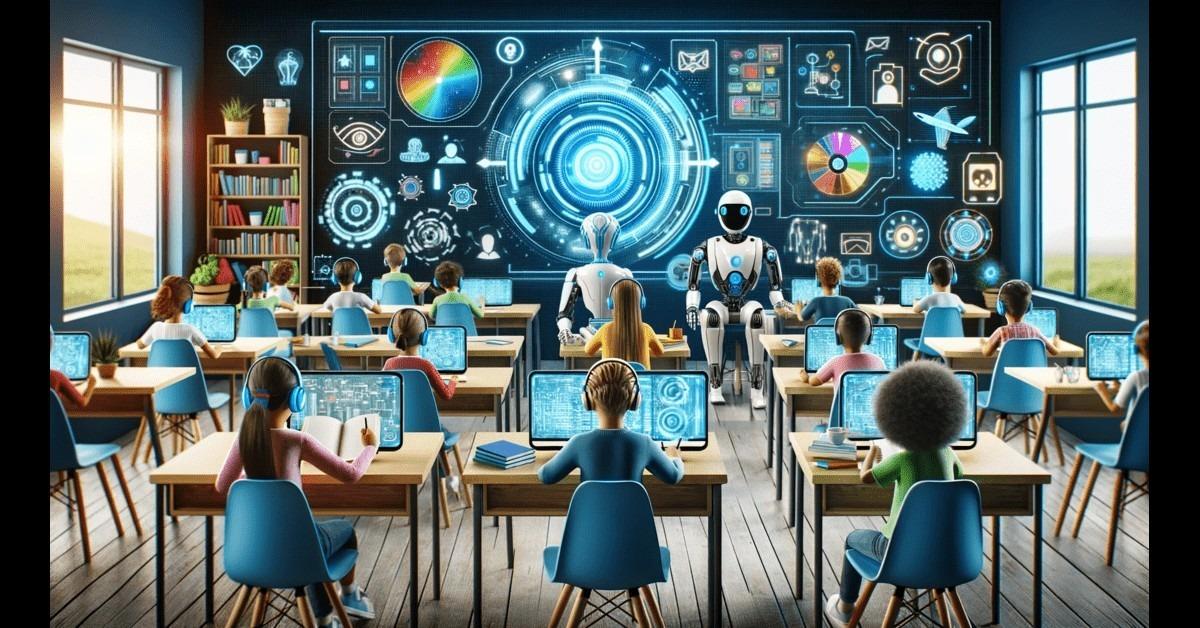
Empowering Tomorrow: effective Strategies for Preparing Students for Jobs of the Future
The landscape of employment is rapidly changing. Emerging technologies, shifting economic dynamics, and global challenges are revolutionizing conventional job roles and creating new opportunities. To thrive in this evolving habitat, students must be equipped with the right skills, attitudes, and experiences. This complete guide explores effective strategies for preparing students for jobs of the future, offering actionable insights for educators, parents, and policymakers alike.
Introduction: The Future of Work and Its impact on Education
According to leading workforce experts, the pace of digital conversion and automation is accelerating. Artificial intelligence, machine learning, and robotics are not only reshaping industries but also redefining the very concept of “work.” the jobs of the future require a blend of technical expertise, creative thinking, social intelligence, and adaptability.
as we empower the next generation for tomorrow’s job market, embracing innovative educational strategies and future-oriented skills is essential. This article highlights creative teaching methods, key competencies, and practical steps to help students succeed in an unknown future.
Key Skills and Competencies for Future Careers
- Critical Thinking and Problem Solving: The ability to analyze complex problems, think logically, and devise creative solutions.
- Digital Literacy: Comfort with emerging technologies, coding, data analytics, and cybersecurity.
- collaboration and Interaction: Working effectively in diverse teams, sharing ideas, and leveraging digital collaboration tools.
- Adaptability and resilience: Flexibility in the face of changing circumstances and the capacity to learn new skills.
- Entrepreneurship and Innovation: Thinking outside the box,initiating projects,and embracing calculated risks.
- Global Awareness: understanding social, cultural, and economic contexts of different countries and regions.
“The jobs of the future aren’t simply about technology, but also about the human spark – creativity, empathy, and collaboration.”
– World Economic Forum
Effective Strategies for Preparing Students
1. Integrate Technology into the Curriculum
- Teach Coding and Programming: Start early – from basic principles in elementary school to advanced applications in high school.
- Project-based Learning: Foster real-world problem-solving through collaborative digital projects.
- use EdTech Tools: Incorporate platforms like Google Classroom, Kahoot!, and educational apps to encourage interactive learning.
2. Foster Creativity and Critical Thinking
- Encourage Inquiry-based Learning: Let students question, research, and explore rather than memorize facts.
- Support Design Thinking: Apply design frameworks that promote brainstorming, prototyping, and testing ideas.
- Host Hackathons and Innovation Challenges: Invite learners to solve local or global issues with creative solutions.
3. Build Social and Emotional Skills
- Promote Teamwork: Group projects help cultivate empathy, communication, and leadership.
- Teach Emotional intelligence: Integrate SEL (Social-Emotional Learning) into daily activities to boost self-awareness and resilience.
- Engage in Community Service: Real-life experiences foster responsibility and compassion.
4. Emphasize Lifelong Learning and Career Exploration
- Career Days and Industry Partnerships: Connect students with professionals and workplaces.
- Encourage Online Courses and Certifications: Motivate learners to pursue interests beyond the classroom.
- Mentorship Programs: Pair students with mentors to guide career planning and personal progress.
benefits of Preparing Students for Jobs of the future
- Greater Career Flexibility: Students adapt easily to changing industries and job roles.
- Higher Employability: future-ready skills increase chances of securing meaningful work.
- Enhanced Innovation: Diverse thinking fuels breakthroughs and economic growth.
- Improved Emotional Well-being: Confidence and resilience built through proactive skill development.
Practical Tips for Educators and Parents
- Stay Informed: Follow trends in technology, education, and the global workforce.
- Model Lifelong Learning: Show your own commitment to continuous education.
- Encourage Curiosity: Support students in pursuing their interests and asking questions.
- Promote STEM and STEAM: Blend science, technology, engineering, arts, and math for holistic growth.
- Provide Safe Spaces to Experiment: Allow failure as a part of the learning process.
- Connect Learning with Real Life: Make education meaningful by linking classroom work to real-world applications.
Case Studies: Schools Leading the Way
Finland’s phenomenon-Based Learning
Finland’s education system has transitioned from rigid subject-based learning to “phenomenon-based” projects, where students study real-world issues from various perspectives. This approach encourages collaboration,critical thinking,and adaptability,preparing students for complex future jobs.
High Tech High, California
High Tech high employs interdisciplinary, project-based learning that simulates workplace environments. Students work alongside local businesses, solving practical challenges with advanced technology, giving them a head start on future careers.
First-Hand Experience: Preparing Students in Action
Meet Sarah: As a high school teacher, Sarah implemented digital storytelling projects where students designed apps and websites to share community narratives. By combining technology with personal connection, her students developed both digital skills and empathy, empowering them for future roles in tech, media, and beyond.
Sarah’s advice: “Don’t just teach the tools; teach the mindset. Foster confidence, curiosity, and compassion. these are essential for students to thrive in tomorrow’s workforce.”
Conclusion: Shaping future-Ready Learners
The jobs of the future demand more than traditional knowledge. As automation and digitalization continue, students must be flexible, innovative, and proactive learners. By integrating technology,fostering creativity,and prioritizing social-emotional growth,educators and parents can empower students for lifelong success.
Let’s make education not just about passing exams,but about nurturing the next generation of creative,resilient,and globally aware citizens—fully prepared for the dynamic world of work ahead.
- Ready to empower your students? Start today with future-focused strategies and create a legacy of learning that lasts a lifetime.