
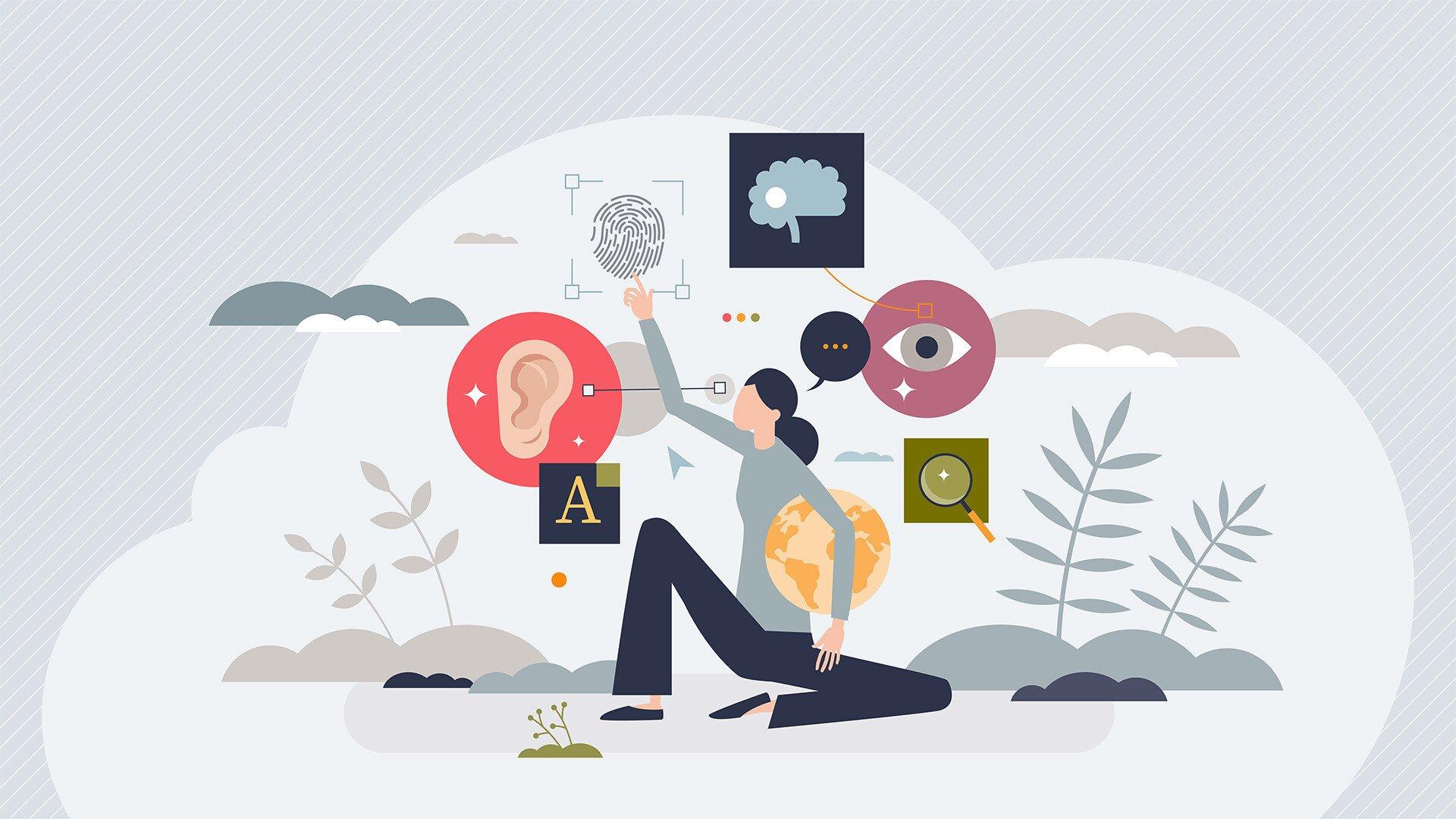
Ensuring Digital Accessibility in Educational Tools: Key Strategies for Inclusive Learning
In today’s rapidly evolving digital landscape, digital accessibility in education has become more vital than ever. With the influx of e-learning platforms,classroom apps,adn online resources,ensuring that every learner—nonetheless of ability—can access and benefit from educational content is paramount. But what does digital accessibility truly mean, and how can educators and developers ensure their tools support inclusive learning? This thorough guide explores actionable strategies, benefits, and real-world insights for making educational digital tools accessible to all.
Understanding Digital Accessibility in Education
digital accessibility refers to the design of technology—such as educational websites, apps, and online content—that can be easily used by individuals with varying abilities and disabilities. This includes accommodations for students who are visually impaired, deaf or hard of hearing, have learning disabilities, or face temporary challenges such as an injury.
- Web Content Accessibility Guidelines (WCAG): The global standard for ensuring web and submission accessibility.
- assistive Technologies: Tools such as screen readers, speech-to-text, and choice input devices support learners with disabilities.
- Universal Design for Learning (UDL): An educational framework based on providing flexible learning environments that accommodate individual learning differences.
According to the World Wide Web Consortium (W3C),over a billion peopel worldwide live with some form of disability. For educational institutions and edtech developers, this underscores the critical importance of integrating accessible design from the outset.
Why Digital Accessibility Matters for Inclusive Learning
Accessible educational tools enable equal participation and foster a sense of belonging among all students. Here’s why digital accessibility in educational tools matters:
- Legal Compliance: Many countries, including the U.S. (Section 508/ADA), require educational technologies to meet specific accessibility standards.
- Equitable Learning Opportunities: Accessibility ensures no learner is left behind due to physical, sensory, or cognitive barriers.
- Improved Usability: Accessible tools are generally easier and more intuitive for everyone—not just those with disabilities.
- Enhanced Academic Outcomes: Inclusive environments can lead to improved confidence, participation, and scholastic achievement for all students.
Key Strategies for Ensuring Digital Accessibility in Educational Tools
Making your digital learning tools accessible involves more than simply adding captions or a screen reader; it requires a thoughtful, holistic approach. Here are proven strategies:
1. Follow recognized accessibility standards and frameworks
- design with WCAG 2.1 AA guidelines in mind—covering contrast ratios, alternative text for images, keyboard navigation, and more.
- Use ARIA (Accessible Rich Internet Applications) roles and properties to enhance accessibility for dynamic content and complex user interfaces.
2. Provide alternative formats and flexible content delivery
- Offer transcripts for audio/video materials and captions for multimedia.
- Enable downloadable resources in multiple formats (PDF, audio, readable text).
- Incorporate customizable font sizes, color contrasts, and language support.
3.Design clear and consistent user interfaces
- Use simple and predictable navigation structures, ensuring ease of use for all learners.
- Label buttons, forms, and links clearly for screen reader compatibility.
- Ensure that all interactive elements (quizzes, games, forms) are accessible via keyboard-only navigation.
4. Involve users with disabilities in the developmental process
- Engage directly with students and educators with disabilities to get feedback.
- Conduct periodic accessibility audits and user testing sessions.
5. Continuous professional development for educators
- Ensure that teachers and content creators are trained in accessibility best practices.
- Offer workshops on creating accessible documents, presentations, and online courses.
6. Use accessible Learning management systems (LMS) and plugins
- Select LMS platforms known for adhering to accessibility standards (such as Moodle, Canvas, or Blackboard).
- When using WordPress for e-learning, choose themes and plugins marked as WCAG-compliant.
benefits of Accessible Educational Tools
Embedding digital accessibility in educational tools brings profound, organization-wide advantages:
- Higher retention rates thanks to enhanced student engagement.
- Wider reach—your content is accessible to international and non-traditional learners.
- Reduced legal risk by complying with accessibility laws and policies.
- positive institutional reputation as an advocate for equity and inclusion.
- Innovation and creativity driven by diverse perspectives and needs.
Practical Tips for Implementing Accessibility in Educational Content
- Always use HTML semantic tags to improve comprehension for screen readers (e.g.,
- Add alternative (“alt”) text descriptions to all images for visually impaired users.
- Ensure sufficient color contrast between text and background.
- Keep learning pathways logical and linear — help users understand where they are in a process.
- Test your content with accessibility evaluation tools (such as WAVE or axe).
- Include keyboard shortcuts and ensure all functionalities are accessible without a mouse.
- Allow customization (text resizing, color schemes) to suit different needs.
Case Study: Enhancing Accessibility in a University E-Learning Platform
Background: A mid-sized university received feedback that it’s e-learning platform was arduous for students with vision impairments to navigate. Key pain points included unlabeled buttons and poor contrast in course materials.
Actions Taken: The university formed a cross-functional accessibility task force.They conducted an audit, retrained instructors on accessible content creation, and worked with developers to add ARIA labels and increase contrast ratios.
Results: Within one semester, positive student feedback soared, course completion rates rose by 12%, and the university avoided a potential legal complaint.
First-hand Experiance: A Student’s Perspective
Consider the story of Mary, a college sophomore with dyslexia:
“At first, I struggled to keep pace with my peers. Slides overloaded with text and low-contrast backgrounds made it hard for me to focus. But after my college revamped their digital resources—with options to adjust font sizes, listen to readings, and access transcripts—I felt empowered to learn at my own speed. For the first time, I truly felt included in class.”
Conclusion: Commit to an Accessible, Inclusive Digital Future in Education
Ensuring digital accessibility in educational tools is not just a technical task—it’s a moral imperative. Inclusive design means everyone has a seat at the digital table, laying the foundation for better learning, engagement, and lifelong success. By following the key strategies and practical tips outlined above, educational institutions, content creators, and edtech developers can create truly inclusive learning experiences that benefit all.
Ready to make your educational surroundings more accessible? Start small, iterate often, and remember: every step towards digital accessibility helps unlock a brighter future for every learner.