
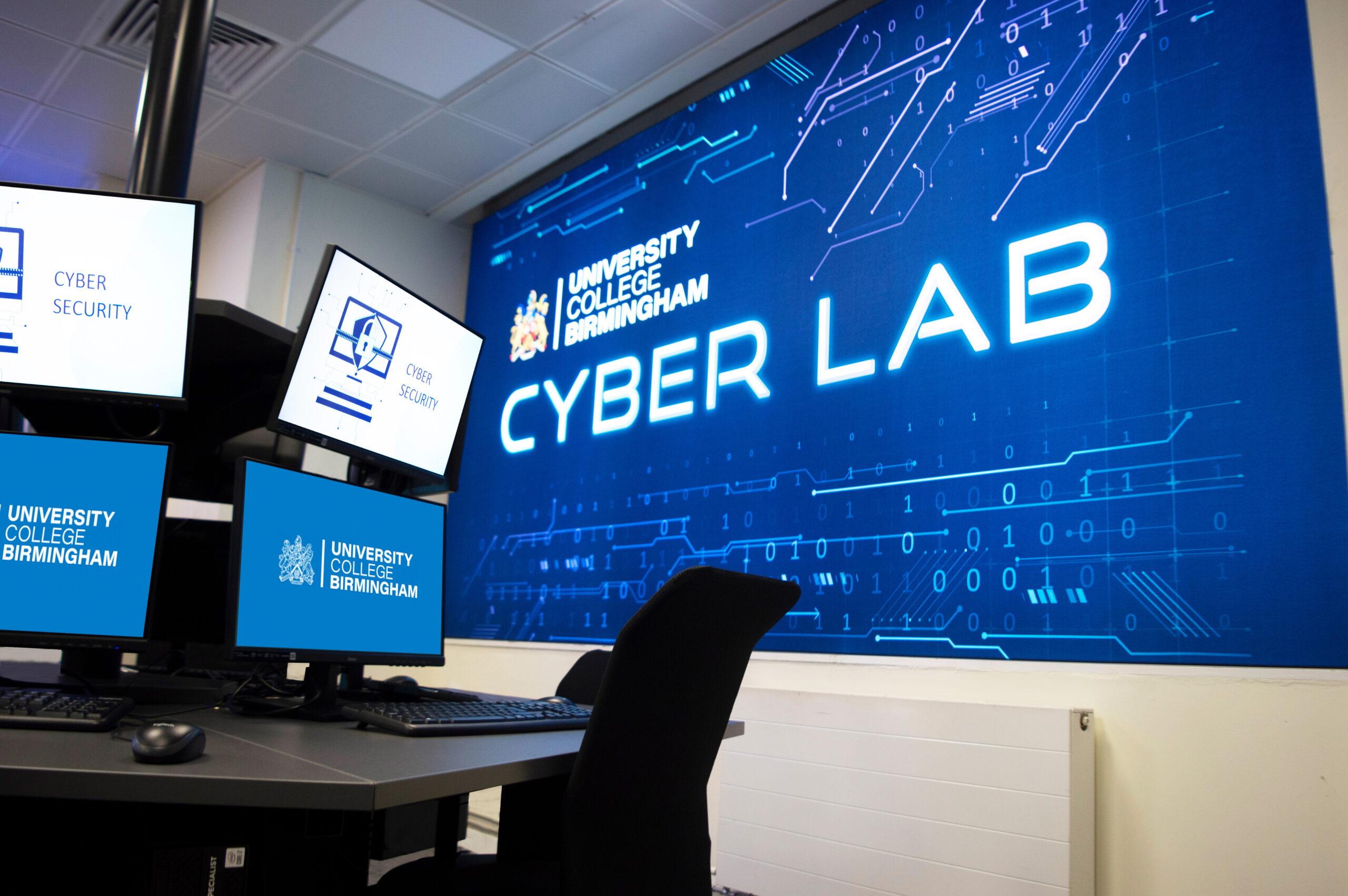
Essential Guide to Cybersecurity in Educational Institutions: protecting Data & Ensuring Safe Learning
In today’s interconnected world, cybersecurity in educational institutions has become more crucial than ever.With the rapid adoption of digital tools in schools, colleges, and universities, protecting sensitive student and staff data is a top priority. For administrators,educators,IT specialists,and even students and parents,understanding the foundations of a robust cybersecurity plan is key to ensuring a safe learning environment. This essential guide will explore practical tips, expert strategies, direct benefits, and real-world experiences to help educational institutions defend against evolving cyber threats.
Why Is Cybersecurity Important for Educational Institutions?
Educational institutions handle vast amounts of valuable data: from student records and academic performance to financial and health data. The shift to online learning, smart classrooms, and education management systems has made cyber threats more prevalent than ever. here are some compelling reasons why cybersecurity should be a cornerstone of every school’s digital strategy:
- Safeguarding Sensitive Data: Prevent exposure of personal data that could lead to identity theft or fraud.
- Maintaining trust: Students, parents, and staff expect their information to be protected.
- Ensuring Continuity: Cyber attacks such as ransomware can disrupt lessons, research, and administrative processes.
- Complying with Regulations: Laws like FERPA, GDPR, and COPPA require educational entities to implement proper data protection measures.
- Protecting Reputation: Data breaches can seriously damage an institution’s public image.
Common Cybersecurity Threats in Education
The digital change of learning environments exposes schools to a variety of cyber threats. Understanding these risks is the first step toward effective prevention.
1. Phishing Attacks
Scammers often target school staff and students through fake emails or websites,aiming to steal login credentials or install malware.
2. Ransomware
Cybercriminals lock down systems and demand hefty payments to unlock valuable data, causing severe downtime and financial losses.
3. Unauthorized Access & Data Breaches
Weak passwords, outdated software, or poor network security can allow hackers to access confidential records.
4.Insider Threats
Not all threats come from the outside: accidental data leaks or malicious insiders can compromise sensitive data.
5. Distributed Denial of Service (DDoS) Attacks
Attackers flood school networks with traffic, disrupting access to vital online resources and classes.
The Benefits of Robust Cybersecurity in Schools and Universities
- Data Protection: Ensures personal and academic information remains confidential.
- Uninterrupted Learning: Prevents lesson disruptions and ensures students and faculty have consistent access to digital tools.
- Parental Assurance: Builds trust with parents who are assured their children’s data is secure.
- Cost Savings: Reduces the financial impact of breaches, which can include legal fees, fines, and system recovery costs.
- Reputation Management: Maintains the institution’s positive image in the community and educational sector.
Best Practices for Cybersecurity in Educational Institutions
Building a sound cybersecurity defense requires a blend of technology, policy, education, and vigilance. here are the essential steps every institution should take:
1.Establish Clear Cybersecurity Policies
- Create and enforce policies for device usage, data handling, and access controls.
- Develop an incident response plan for detecting and handling cyber attacks.
2. Regular Staff and Student Training
- Offer training on identifying phishing scams, using strong passwords, and reporting suspicious activity.
- Promote a school-wide culture of cybersecurity awareness.
3. Multi-Layered Defense Systems
- Implement firewalls, antivirus software, and intrusion detection systems.
- Use multi-factor authentication (MFA) to protect sensitive accounts.
4. Consistent Software Updates and Patch Management
- Automatically update operating systems and apps to address security vulnerabilities.
- Remove unsupported or unused software from all devices.
5. Secure Remote Learning Platforms
- Choose online learning platforms with end-to-end encryption and strong privacy controls.
- Verify third-party vendors for compliance with data protection standards.
6. Data Backup and Recovery Plans
- Schedule regular backups stored in secure, offsite locations or encrypted cloud storage.
- Test backup recovery processes frequently to ensure rapid restoration after an incident.
7. Network Segmentation
- Divide the school network into segments. Restrict access to sensitive areas to only those who need it.
- Minimize potential damage from breaches by isolating critical systems.
Practical Cybersecurity Tips for Educational Institutions
- Use strong, unique passwords for every account and encourage regular changes.
- Limit administrative privileges to reduce the risk of widespread damage from compromised accounts.
- Monitor network activity and set up alerts for suspicious actions, such as login attempts from unusual locations.
- Encrypt sensitive data both at rest (stored) and in transit (being transferred).
- secure physical access to servers, computers, and networking equipment.
Case Studies: Cybersecurity in Action
Case Study 1: Preventing a Ransomware outbreak
A prominent university in the united States narrowly avoided a ransomware crisis thanks to timely backups and staff training. When a faculty member unknowingly clicked a malicious link, the IT team detected the intrusion from unusual network activity and isolated the affected devices. Recent data backups allowed them to restore systems quickly, minimizing disruption and avoiding ransom payments.
Case Study 2: Securing Remote Learning During the COVID-19 Pandemic
As schools shifted to remote learning, attacks targeting online classroom platforms surged. A European school district responded by switching to a video conferencing service with robust security features and mandating password-protected lessons. IT administrators also provided cybersecurity workshops for both teachers and students,resulting in a meaningful decrease in incidents.
First-Hand Experience: Building a Cybersecurity Culture in Schools
Jenny Patel, an IT coordinator at a mid-size high school, shares her journey:
“Introducing cybersecurity wasn’t easy — many teachers and students assumed they weren’t at risk. Our first step was to show real examples of email scams and data breaches.We made training sessions interactive, included fun quizzes, and created a ‘cyber safety champion’ program where students could submit suspicious emails for review.Over time, we saw phishing reports go up, breaches go down, and everyone felt more accountable. A strong cybersecurity culture doesn’t happen overnight. But with clear communication and teamwork, it becomes a part of daily school life.”
Implementing Cybersecurity: Getting Started Checklist
- Appoint a dedicated cybersecurity coordinator or form a security task force.
- Conduct a risk assessment to identify vulnerabilities in IT infrastructure.
- inventory all devices, systems, and data repositories.
- Develop and enforce acceptable use policies for all stakeholders.
- Launch regular awareness campaigns and provide accessible training materials.
- Partner with trusted cybersecurity service providers when needed.
- Review and update security plans at least once a year,or after major incidents.
Frequently Asked Questions About Cybersecurity in Education
- What is the most common cyber threat facing schools?
- Phishing attacks remain the most frequent, often leading to data breaches if successful.
- How often should schools train staff and students?
- At least annually, with refreshers after major incidents or software updates.
- What should I do if my school experiences a cyber attack?
- Immediately activate your incident response plan, notify relevant authorities, and begin restoring data from secure backups.
- Are small schools at risk?
- yes. Cybercriminals frequently enough target less-prepared,smaller schools as they perceive them as easier targets.
Conclusion: A safe Path Forward
Investing in cybersecurity for educational institutions isn’t just about protecting data — it’s about preserving trust, ensuring academic continuity, and fostering a safe educational experience. As schools and universities continue to innovate and digitize, vigilance against cyber threats must be part of their culture. With clear strategies, dedicated resources, and shared responsibility, every institution can build a resilient defense that empowers both learning and safety.